

Motorola ThinkPhone 25 has an aramid fiber body and MIL-STD-810H protection with IP68
08.10.24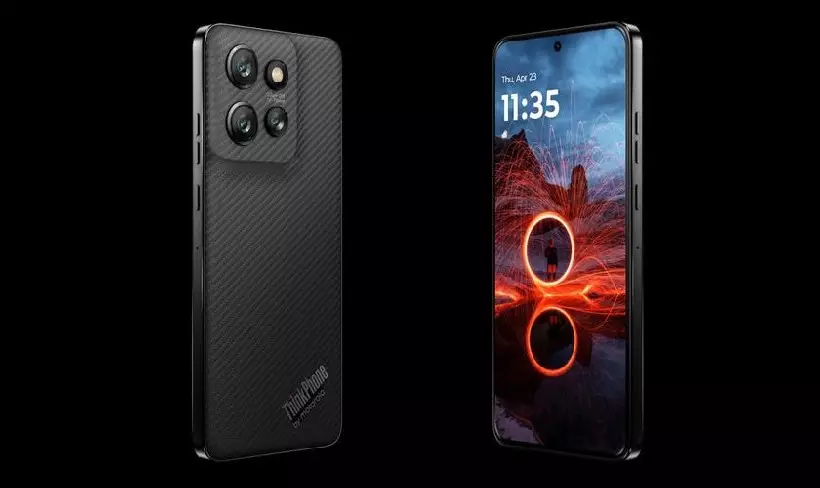
Motorola announced the new ThinkPhone 25 smartphone, which is durable thanks to the aramid fiber body and compliance with MIL-STD-810H and IP68 standards.
Motorola ThinkPhone 25 is equipped with a 6.36-inch pOLED display with a resolution of 2670 x 1220 pixels and a refresh rate of up to 120 Hz. The maximum brightness reaches 3000 nits. The smartphone runs on MediaTek Dimensity 7300, has 8 GB of LPDDR4X RAM and 256 GB of built-in memory.
The 4310mAh battery supports 68W TurboPower fast charging and 15W wireless charging. The device is equipped with Android 14 and an under-display fingerprint scanner. The 50 MP main camera with a Sony LYTIA-700C sensor and optical stabilization is complemented by a 13 MP ultra-wide camera and a 10 MP telephoto lens with 3x optical zoom.
The smartphone supports Dolby Atmos, Bluetooth 5.3 and 5G. Its dimensions are 154.1 x 71.2 x 8.1 mm, weight – 171 grams. The ThinkPhone 25 will go on sale in November at a price of 499 euros.
Don't miss interesting news
Subscribe to our channels and read announcements of high-tech news, tes

Oppo A6 Pro smartphone review: ambitious

 0
0 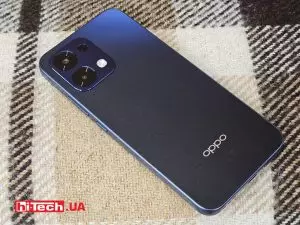
Creating new mid-range smartphones is no easy task. Manufacturers have to balance performance, camera capabilities, displays, and the overall cost impact of each component. How the new Oppo A6 Pro balances these factors is discussed in our review.
Logitech G G325 headphones review: reliable and long-lasting
0 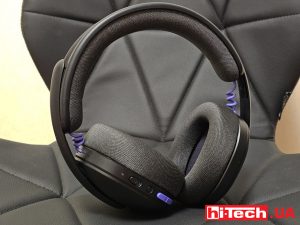
Logitech G has released a new gaming headset that offers good ergonomics, stable connectivity, and high battery life at a very affordable price. Let’s talk about the Logitech G G325 in more detail
Norwegian electronics store will give GTA 6 to those who give birth on the day the game is released games GTA

Norwegian electronics retailer Komplett has announced an unusual promotion dedicated to the release of Grand Theft Auto VI. The company has promised to give a free copy of the game to all families whose children are born on the official release date – November 19, 2026.
The most affordable lifecell tariff can be transferred from other operators for free events in Ukraine lifecell rates

Ukrainian mobile operator lifecell has extended the “Care” tariff to subscribers who have used the number portability (MNP) service from other networks