

Western Digital has sold out all its hard drives. No 2026 stock left
19.02.26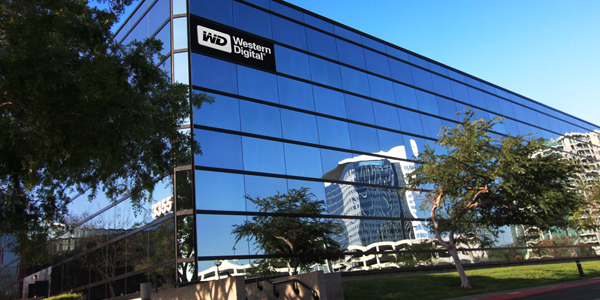
The American company Western Digital reported that during the first month and a half of 2026, it completely sold its hard drive stocks. A significant part of the production volumes has already been assigned to key corporate customers.
Contracts for years ahead
The company’s CEO Irving Tan said during the financial results report for the second quarter of 2026 that most of the available volumes. According to him, long-term supply agreements have already been concluded with a number of partners.
It’s not just about this year. The company has signed long-term contracts with two customers for 2027 and another one for 2028. These agreements provide for fixed delivery volumes in exabytes and agreed pricing terms. Part of the production capacity is reserved exclusively for the fulfillment of obligations under such contracts, which effectively distributes future batches of drives several years in advance.
This situation indicates a high level of demand for drives from large corporate customers who seek to secure the supply of equipment for their infrastructure in advance.
Bet on data centers and AI infrastructure
The main income of the manufacturer is currently brought by the corporate segment, which includes data centers and artificial intelligence systems.
This revenue structure explains the priority attention of large customers. Corporate customers developing data storage infrastructure and AI platforms provide the main flow of orders and form long-term contracts for the supply of drives.
Data storage economics and price growth
An additional factor in sustainable demand remains the cost-effectiveness of hard drives when working with large volumes of information. Despite the proliferation of solid-state drives, HDDs are still significantly cheaper for storing large amounts of data. According to current estimates, the cost of SSDs is more than sixteen times higher than the price of equivalent hard drives.
As a result, data centers continue to purchase classic HDDs, even despite the popularity of SSDs in consumer electronics. For ordinary users, this can mean potential problems with device availability. While the consumer HDD market has become more niche, it remains important for NAS systems and long-term data storage.
The growth in demand from artificial intelligence infrastructure has already led to a shortage in the market. According to industry estimates, prices for many HDD models have increased by an average of 46% since September 2025. The overall shortage of components continues to worsen: previously the shortage affected memory and storage chips, then GPUs, and now the HDD segment. Although most users may not immediately notice the changes, the expansion of AI infrastructure is contributing to further increases in prices for various components.
Don't miss interesting news
Subscribe to our channels and read announcements of high-tech news, tes

Oppo A6 Pro smartphone review: ambitious

 0
0 
Creating new mid-range smartphones is no easy task. Manufacturers have to balance performance, camera capabilities, displays, and the overall cost impact of each component. How the new Oppo A6 Pro balances these factors is discussed in our review.
In-Ear headphones Active Noise Cancellation: how Oppo eliminate noise
0 
In-ear headphones remain one of the most popular form factors due to their lightweight design. However, this design is considered one of the most challenging to implement active noise cancellation (ANC). We’ll explain how Oppo solved this problem.
Google Sets September 15 for Googlebooks and New OS Reveal
Google has officially confirmed the launch date for the Googlebooks laptop lineup and a new operating system. The event will take place on September 15 in New York.
Xiaomi Q2 2026 Financial Results: Smartphone Shipments Dip
Xiaomi has released its report for the second quarter of 2026. Despite a drop in smartphone shipment volumes, the company is seeing growth in average selling prices and is doubling down on AI and EV investments.