

Samsung Galaxy A57 vs A37: Is the €100 Upgrade Worth It?
14.04.26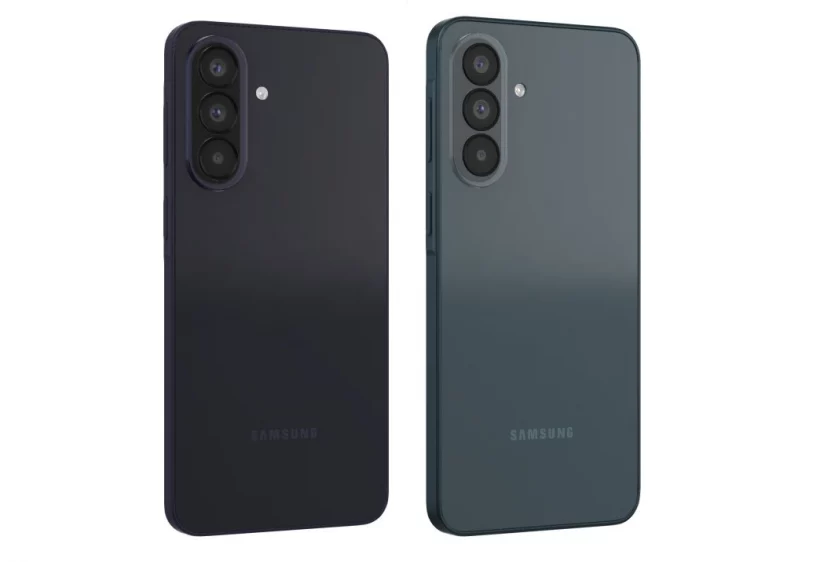
With the arrival of the Galaxy A57 and Galaxy A37 on store shelves, the choice between these two “siblings” has become a hot topic. The Galaxy A57 is priced at around €480, while the Galaxy A37 promises much of the same functionality for a more affordable €380. This €100 price gap calls for a closer look at the technical nuances and real-world performance of both models.
Specifications Galaxy A37/A57
| Category | Samsung Galaxy A37 | Samsung Galaxy A57 |
|---|---|---|
| Network | GSM / HSPA / LTE / 5G | GSM / HSPA / LTE / 5G |
| Announcement | 2026, March 25 | 2026, March 25 |
|
Available. Release 2026, April 9 | Available. Release 2026, April 9 |
| Body: | 162.9 x 78.2 x 7.4 mm (6.41 x 3.08 x 0.29 inches) | 161.5 x 76.8 x 6.9 mm (6.36 x 3.02 x 0.27 inches) |
|
196 g (6.91 oz) | 179 g (6.31 oz) |
|
Glass front (Gorilla Glass Victus+), plastic frame, glass back (Gorilla Glass Victus+) | Glass front (Gorilla Glass Victus+), aluminum frame, glass back (Gorilla Glass Victus+) |
|
Nano-SIM + eSIM; Nano-SIM + Nano-SIM + eSIM + eSIM (max. 2 at the same time) | Nano-SIM + eSIM; Nano-SIM + Nano-SIM + eSIM + eSIM (max. 2 at the same time) |
|
IP68 dust/water resistant (up to 1.5m for 30 min) | IP68 dust/water resistant (up to 1.5m for 30 min) |
| Display: | Super AMOLED, 120 Hz, 1200 nits (HBM), 1900 nits (peak) | Super AMOLED+, 120 Hz, HDR10+, 1200 nits (HBM), 1900 nits (peak) |
|
6.7 inches, 110.2 cm2 (~86.5% screen-to-body ratio) | 6.7 inches, 110.2 cm2 (~88.8% screen-to-body ratio) |
|
1080 x 2340 pixels, 19.5:9 ratio (~385 ppi density) | 1080 x 2340 pixels, 19.5:9 ratio (~385 ppi density) |
|
Corning Gorilla Glass Victus+, Mohs level 5 | Corning Gorilla Glass Victus+, Mohs level 5 |
| Platform: | Android 16, up to 6 major Android upgrades, One UI 8.5 | Android 16, up to 6 major Android upgrades, One UI 8.5 |
|
Exynos 1480 (4 nm) | Exynos 1680 (4 nm) |
|
Octa-core (4×2.75 GHz Cortex-A78, 4×2.0 GHz Cortex-A55) | Octa-core (1×2.9 GHz Cortex-720, 4×2.6 GHz Cortex-720, 3×1.95 GHz Cortex-520) |
|
Xclipse 530 | Xclipse 550 |
| Memory: | None | None |
|
128/6GB RAM, 128/8GB RAM, 256/8GB RAM, 256/12GB RAM | 128/8GB RAM, 256/8GB RAM, 256/12GB RAM, 512/12GB RAM |
|
UFS 3.1 | UFS 3.1 |
| Main Camera: | 50 MP (f/1.8, wide, OIS), 8 MP (f/2.2, 16mm, ultrawide), 5 MP (f/2.4, macro) | 50 MP (f/1.8, wide, OIS), 12 MP (f/2.2, 13mm, ultrawide), 5 MP (f/2.4, macro) |
|
LED flash, panorama, HDR | Best Face, LED flash, panorama, HDR |
|
4K@30fps, 1080p@30/60fps, gyro-EIS | 4K@30fps, 1080p@30/60fps, gyro-EIS |
| Selfie Camera: | 12 MP, f/2.2, (wide), 1/3.2″, 1.12µm | 12 MP, f/2.2, (wide), 1/3.2″, 1.12µm |
|
4K@30fps, 1080p@30fps, 10-bit HDR | 4K@30fps, 1080p@30/60fps, 10-bit HDR |
| Sound: | Yes, stereo speakers | Yes, stereo speakers |
|
No | No |
| WLAN | Wi-Fi 802.11 a/b/g/n/ac/6, dual-band, Wi-Fi Direct | Wi-Fi 802.11 a/b/g/n/ac/6e, tri-band, Wi-Fi Direct |
| Bluetooth | 5.4, A2DP, LE | 6.0, A2DP, LE |
| Positioning | GPS, GALILEO, GLONASS, BDS, QZSS | GPS, GALILEO, GLONASS, BDS, QZSS |
| NFC | Yes (region dependent) | Yes (region dependent) |
| Infrared port | No | No |
| Radio | No | No |
| USB | USB Type-C 2.0, OTG | USB Type-C 2.0, OTG |
| Sensors | Fingerprint (under display), accelerometer, gyro, proximity, compass | Fingerprint (under display), accelerometer, gyro, proximity, compass |
| Battery: | 5000 mAh | 5000 mAh |
|
45W wired | 45W wired |
| Colors | Gray-green, Charcoal, White, Light purple | Dark blue, Gray, Ice blue, Lilac |
| SAR (USA) | 0.81 W/kg (head), 1.17 W/kg (body) | 0.85 W/kg (head), 1.20 W/kg (body) |
| SAR EU | 0.72 W/kg (head), 1.14 W/kg (body) | 0.70 W/kg (head), 1.07 W/kg (body) |
| Models | SM-A376E, SM-A376E/DS, SM-A376B, SM-A376B/DS, SM-A376U, SM-A376U1, SM-A376W, SM-A3760 | SM-A576B, SM-A576B/DS, SM-A576Q, SM-A576U1, SM-A576W, SM-A576Z, SM-A5760 |
| Tests: | AnTuTu: 697795 (v10), 912055 (v11); GeekBench: 3345 (v6); 3DMark: 1035 (WL Extreme) | AnTuTu: 1001995 (v10), 1363464 (v11); GeekBench: 4411 (v6); 3DMark: 1742 (WL Extreme) |
|
1246 nits (measured max) | 1309 nits (measured max) |
|
-25.7 LUFS (Very good) | -26.3 LUFS (Good) |
|
Rating 13:49h | Rating 13:59h |
|
Class A | Class A |
|
53:00h autonomy, 1200 cycles | 52:00h autonomy, 1200 cycles |
|
Class B (180 drops) | Class A (270 drops) |
|
Class C | Class C |
| Base model price | £399.00 / ₴18,999 | €428.00 / £529.00 / ₴25,499 |
Design, Dimensions, and Build Quality of the Galaxy A37/A57
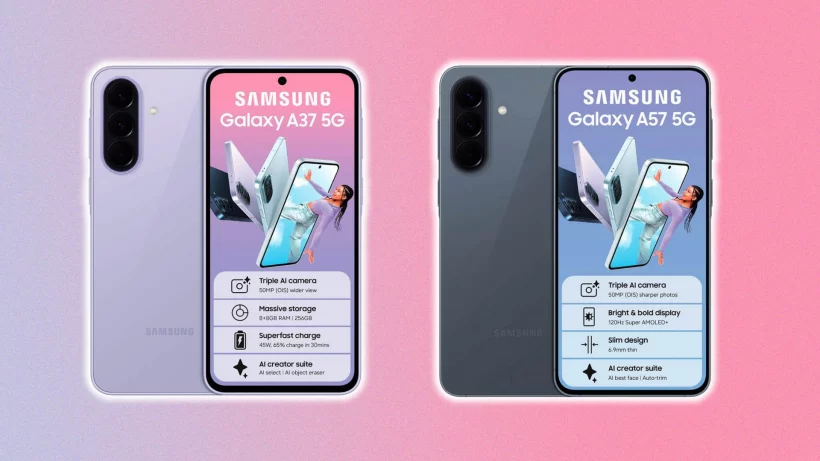
Despite their outward similarity, the body materials are one of the main reasons for the price difference. The Galaxy A57 looks and feels significantly more premium thanks to Gorilla Glass Victus+ on both sides and an aluminum frame. In contrast, the Galaxy A37 features a plastic body and frame, giving it a more modest feel. This difference in materials is also reflected in the specs: the A57 is notably lighter (179g vs. 196g) and thinner (6.9mm vs. 7.4mm).
The Galaxy A57 measures 161.5 x 76.8 x 6.9 mm, while the Galaxy A37 comes in at 162.9 x 78.2 x 7.4 mm. The thinner bezels on the A57 are made possible by its more advanced Super AMOLED Plus panel, which, combined with premium materials, makes it the clear winner in terms of ergonomics. However, if you don’t let anyone get a close look at your phone, the difference is hard to spot.
Samsung Galaxy A37/A57 Display Comparison
Both models feature 6.7-inch panels with a 120Hz refresh rate and a resolution of 1080×2340 pixels. However, they differ technologically: the Galaxy A57 is equipped with Super AMOLED Plus (RGB matrix), while the Galaxy A37 uses a standard Super AMOLED (Diamond Pentile). Despite the difference in subpixel structure, at a density of 385 ppi, the human eye will hardly notice any difference in sharpness. Peak brightness is also comparable: 1259 nits for the A57 and 1246 nits for the A37. Thus, the display quality is virtually identical.
Audio and Sound Quality of the Galaxy A37/A57
Both devices feature a hybrid stereo system: the main speaker is located on the bottom edge, complemented by the earpiece speaker above the screen.
- Samsung Galaxy A37: -25.7 LUFS (Very Good loudness)
- Samsung Galaxy A57: -26.3 LUFS (Good loudness)
Surprisingly, the more affordable Galaxy A37 showed slightly higher loudness results. However, the Galaxy A57 leads in quality: its sound is deeper, richer, and more balanced, giving the edge to the higher-end model.
Samsung Galaxy A37 vs A57 Performance Comparison
This is where the Galaxy A57 completely outperforms its younger sibling. It debuts the new 4nm Exynos 1680 chip with Xclipse 550 graphics. Meanwhile, the Galaxy A37 uses the tried-and-tested but aging Exynos 1480 (from last year’s Galaxy A55). Benchmarks confirm a significant gap: in AnTuTu 10, the A57 scores 1,001,995 points compared to 697,795 for the A37. The difference is just as noticeable in Geekbench 6: 4,411 points for the senior model versus 3,345 for the junior one.
Benchmark Results
| Benchmark | Samsung Galaxy A37 | Samsung Galaxy A57 |
|---|---|---|
| AnTuTu 10 | 697 795 | 1 001 995 |
| Geekbench 6 (Multi-core) | 3 345 | 4 411 |
| 3D Mark Wild Life | 1 035 | 1 742 |
Why the Galaxy A57 is better:
- Powerful Exynos 1680 processor with Xclipse 550 graphics.
- 8GB RAM in the base version compared to 6GB in the A37.
- Support for modern Wi-Fi 6E and Bluetooth 6.0 standards.
- Graphics performance boost in 3D Mark Wild Life: 1,742 (A57) vs. 1,035 (A37).
Samsung Galaxy A37 vs A57 Battery Life Comparison
Both smartphones are powered by 5,000 mAh batteries and support 45W fast charging. The charging speeds are virtually identical: a 30-minute charge gets the A57 to 64% and the A37 to 62%. A full charge takes approximately 69–72 minutes. Battery life on both devices is solid and comparable—they are true twins in this regard.
Charging Speed
| Charging Time | Samsung Galaxy A37 | Samsung Galaxy A57 |
|---|---|---|
| Power | 45 W | 45 W |
| In 15 minutes | 34% | 36% |
| In 30 minutes | 62% | 64% |
| Full charge | 72 min | 69 min |
Battery Life
| Usage Scenario | Samsung Galaxy A37 | Samsung Galaxy A57 |
|---|---|---|
| Battery capacity | 5000 mAh | 5000 mAh |
| Active use | 13:49 | 13:59 |
| Calls | 22:58 | 23:15 |
| Web browsing | 12:52 | 13:32 |
| Video playback | 21:27 | 23:12 |
| Gaming | 7:35 | 7:12 |
Camera Capabilities of the Samsung Galaxy A37/A57
The main cameras on both smartphones are identical: 1/1.56″ sensors with an equivalent focal length of 23 mm.
The main difference lies in the ultra-wide modules present in both models. The Galaxy A57 is equipped with a 12 MP camera with a 13mm field of view, while the Galaxy A37 offers 8 MP with a 16mm focal length. This means the A57 captures significantly more space in the frame.
The selfie camera appears to be the same, although minor differences in EXIF data might suggest different hardware—in any case, the core specifications are identical.
Daytime shots on both models look very similar: good detail, wide dynamic range, and pleasant color reproduction.
Daytime shots, 1x zoom, main camera
In good lighting, the 1x main cameras deliver nearly identical results—which are excellent for the mid-range class. There is a slight loss of detail in the shadows, and Samsung’s signature texture processing algorithm is noticeable, but it is all within the normal range.
-

- Galaxy A37

-
- Galaxy A57

-
- Galaxy A37

-
- Galaxy A57

-
- Galaxy A37

-
- Galaxy A57

-
- Galaxy A37

-
- Galaxy A57

Daytime photography, 2x digital zoom, main camera
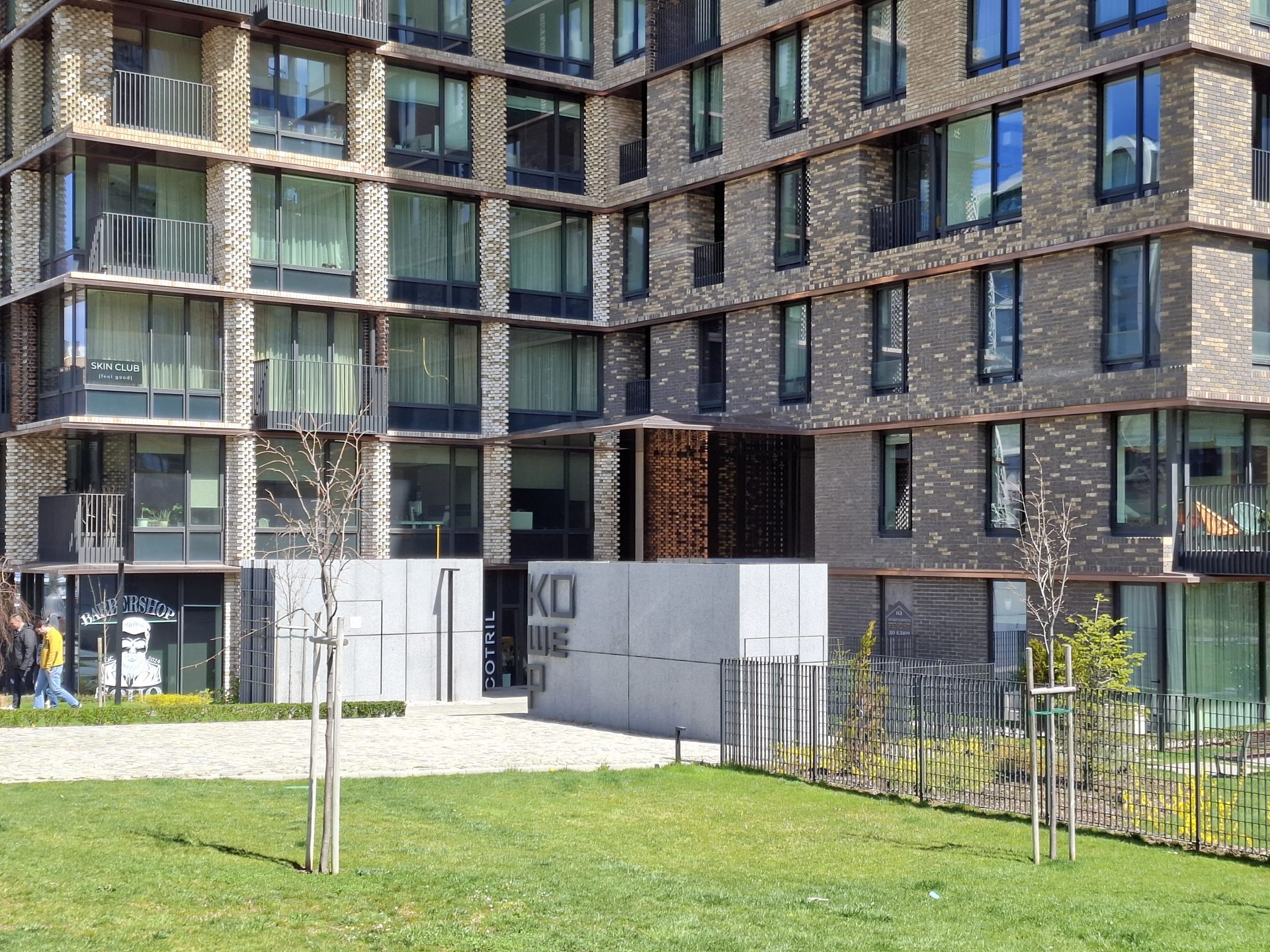
2x zoom photos on both smartphones are also nearly identical. They can be described as excellent for their class, though it’s safe to say Samsung isn’t setting any new quality standards here. This is certainly not a feature that sets these two phones apart.
-
- Galaxy A37 2x
-
- Galaxy A57 2x

-
- Galaxy A37 2x

-
- Galaxy A57 2x

-
- Galaxy A37 2x

-
- Galaxy A57 2x

-
- Galaxy A37 2x

-
- Galaxy A57 2x

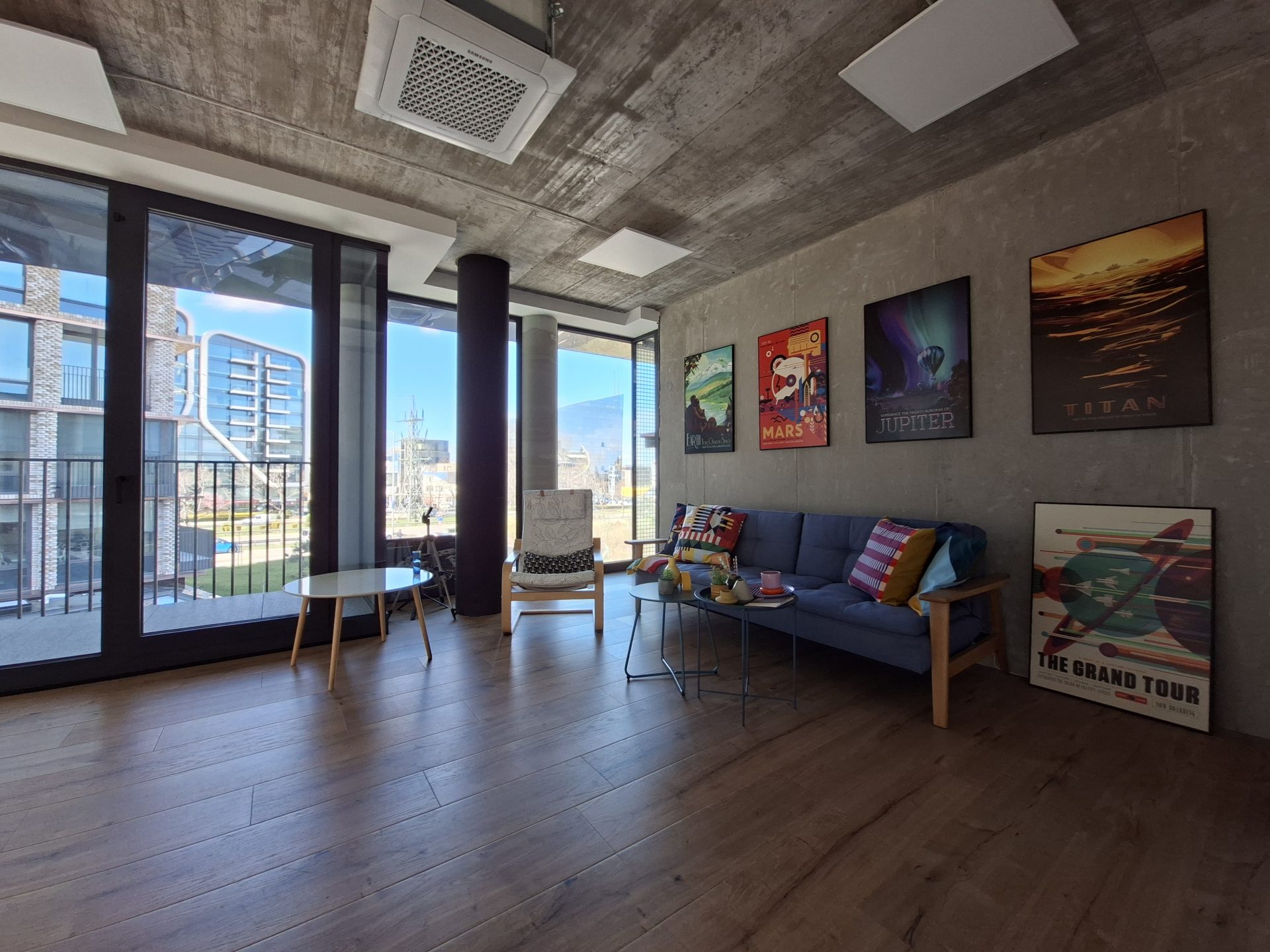
Daytime photography, ultra-wide camera, 0.6x
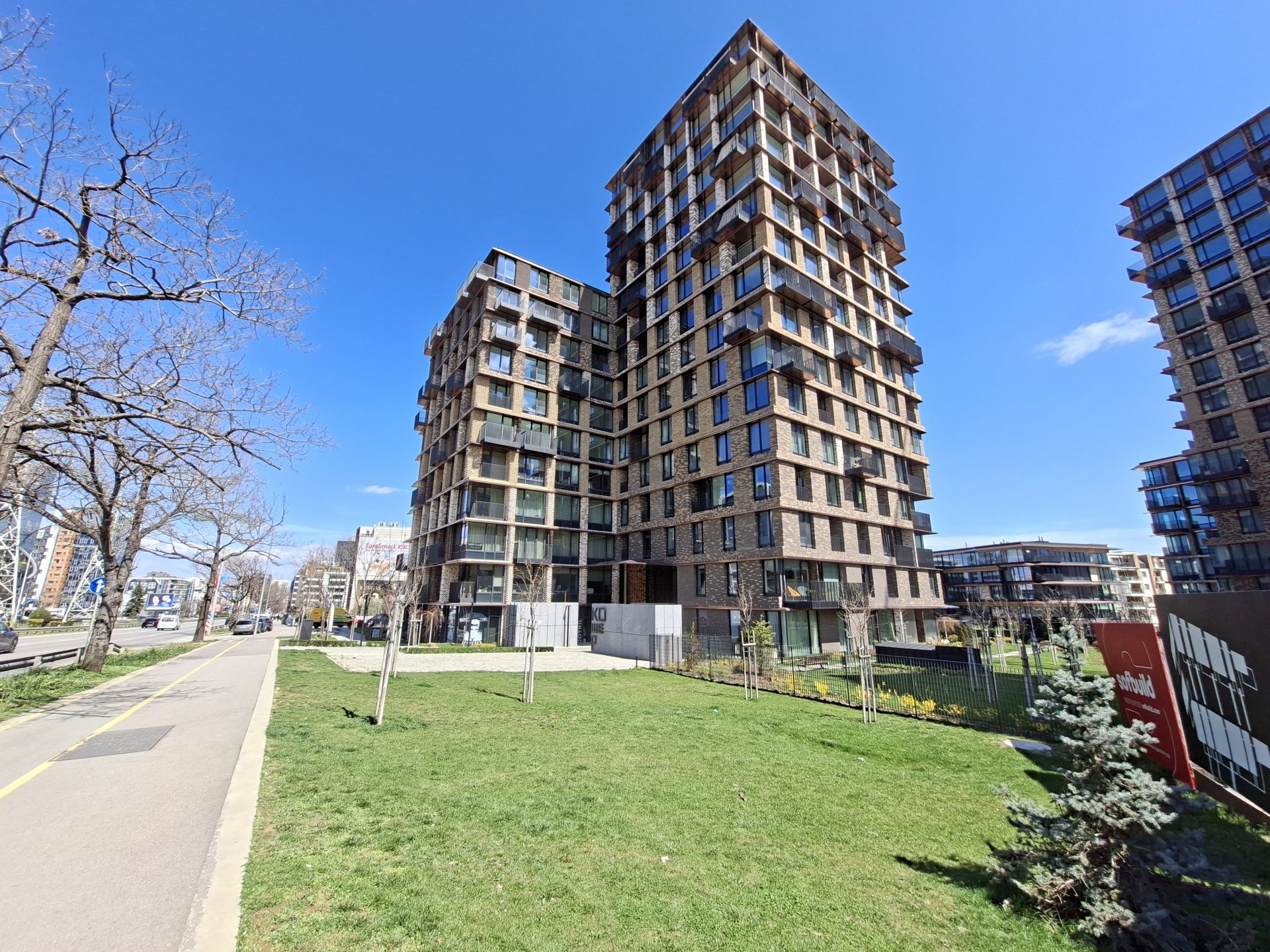
This is where it gets interesting: the A37’s 8-megapixel ultra-wide camera uses software to upscale frames to 12.5 MP in an attempt to match the A57’s 12-megapixel sensor, yet it still falls short in terms of field of view and sharpness. Do you shoot landscapes? Architecture? Are you a fan of panoramic photography? If so, the Galaxy A57 is likely the better choice. For everyone else, this advantage is rather debatable.
-
- Galaxy A37

-
- Galaxy A57
-
- Galaxy A37

-
- Galaxy A57

-
- Galaxy A37

-
- Galaxy A57
-
- Galaxy A37

-
- Galaxy A57

Night photography, 1x zoom, main camera
The main camera in standard mode delivers quite decent quality on both phones. However, if you look at the first and second photos, the A57 somehow produced an overexposed shot. The A37’s algorithms seem to handle colors more realistically.
-
- Galaxy A37 1x

-
- Galaxy A57 1x

-
- Galaxy A37 1x

-
- Galaxy A57 1x

-
- Galaxy A37 1x

-
- Galaxy A57 1x

-
- Galaxy A37 1x

-
- Galaxy A57 1x

Night photography, 2x digital zoom, main camera
With digital zoom in low light, noise and blurring are predictably noticeable. Just as predictably, the image quality is identical on both devices.
-
- Galaxy A37 2x

-
- Galaxy A57 2x

-
- Galaxy A37 2x

-
- Galaxy A57 2x

-
- Galaxy A37 2x

-
- Galaxy A57 2x

-
- Galaxy A37 2x

-
- Galaxy A57 2x

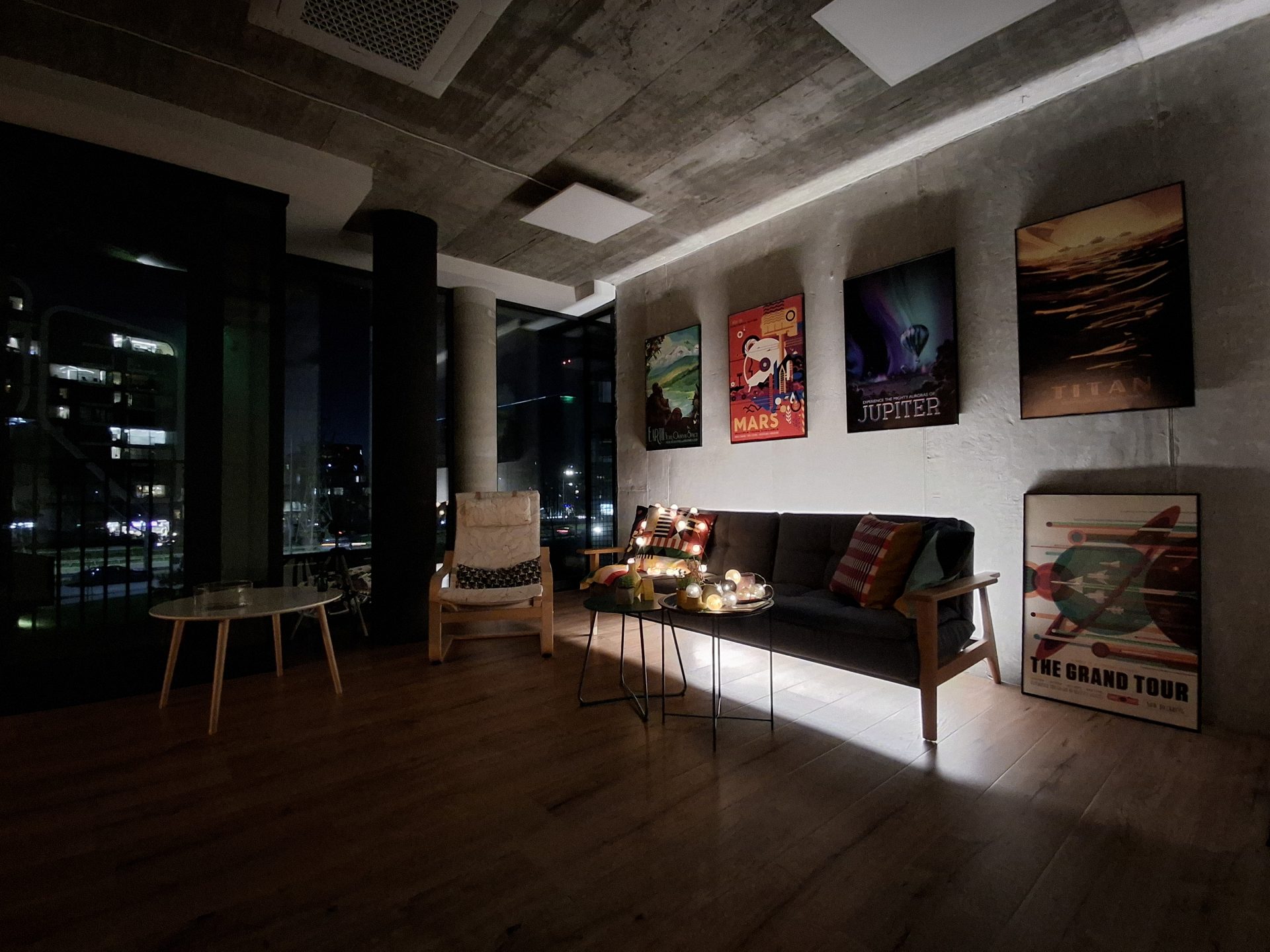
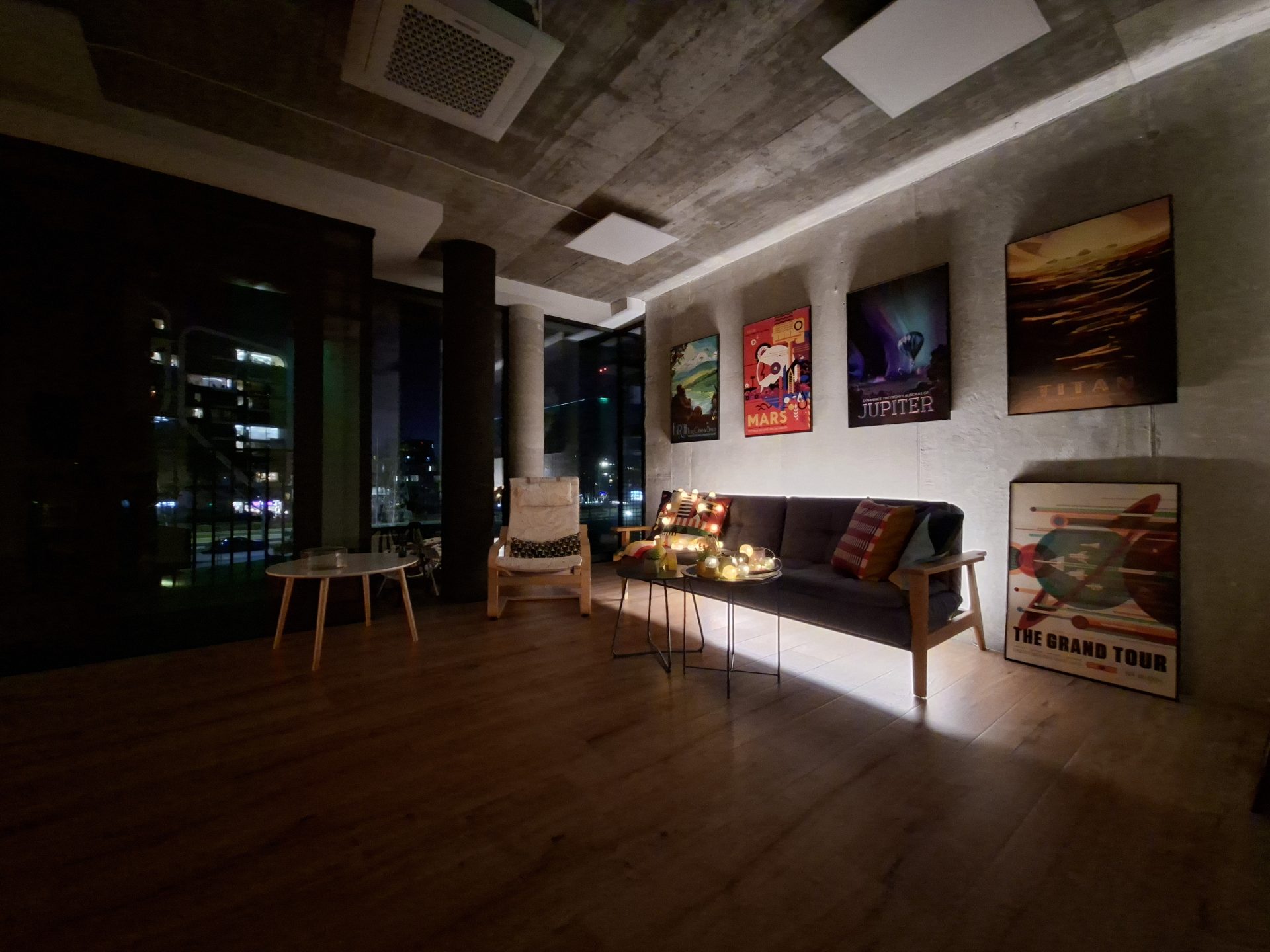
Night photography, ultra-wide camera
It is best to avoid using ultra-wide lenses at night altogether. The A57 produces sharper images, but it seems to struggle with exposure accuracy. On the other hand, photos from the A37 suffer from significant noise.
-
- Galaxy A37

-
- Galaxy A57

-
- Galaxy A37

-
- Galaxy A57

-
- Galaxy A37
-
- Galaxy A57
-
- Galaxy A37

-
- Galaxy A57

Front-facing, selfie camera
In good light, both selfie cameras deliver excellent shots: skin tones look natural, detail is sharp, and highlights and shadows are perfectly balanced. However, in indoor or low-light conditions, the difference is striking. The A57 accurately renders the face while preserving detail, whereas the A37 starts to noticeably “blur” the image.
-
- Galaxy A37

-
- Galaxy A57

-
- Galaxy A37

-
- Galaxy A57

-
- Galaxy A37

-
- Galaxy A57

-
- Galaxy A37

-
- Galaxy A57

Videо
Video recording on both the main and front cameras is performed in true 4K at 30 frames per second. For those who prioritize motion dynamics and smoothness, it’s better to switch to 1080p at 60 fps.
-

- Galaxy A37 ultra-wide

-
- Galaxy A37 1x

-
- Galaxy A37 2x

-
- Galaxy A57 ultra-wide

-
- Galaxy A57 1x

-
- Galaxy A57 2x

In daylight, 4K video is rich and contrasty, with excellent handling of highlights and shadows. The A57 model uses slightly more aggressive software sharpening, but there is no major difference in overall quality. When using 2x digital zoom, the A57 produces a cleaner and more refined image. As for the ultra-wide lens, the 4K mode on the higher-end model, while not perfect, looks significantly better than the noisy 1080p on the A37, and it also captures a wider field of view.
-
- Galaxy A37 ultra-wide

-
- Galaxy A37 1x

-
- Galaxy A37 2x

-
- Galaxy A57 ultra-wide

-
- Galaxy A57 1x

-
- Galaxy A57 2x

In low-light conditions, especially in night mode, the ultra-wide cameras on both models perform poorly. The main cameras, however, deliver decent and roughly similar results at the standard focal length even at night. With a 2x digital zoom, the image on the A57 appears slightly cleaner and more legible.
Practicality and Reliability
If we look at these smartphones from a ownership practicality standpoint, the higher-end Samsung Galaxy A57 has a slight edge.
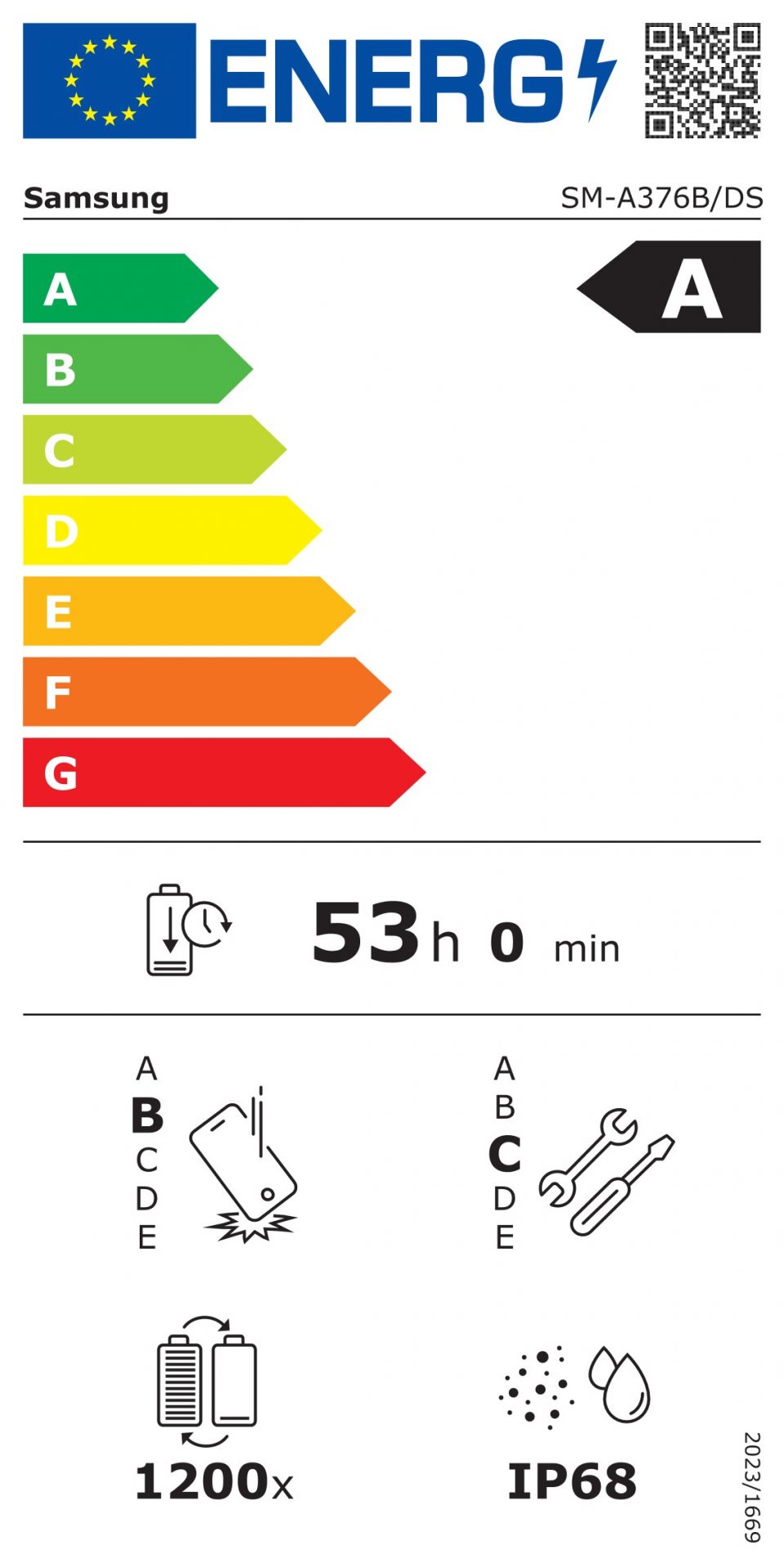
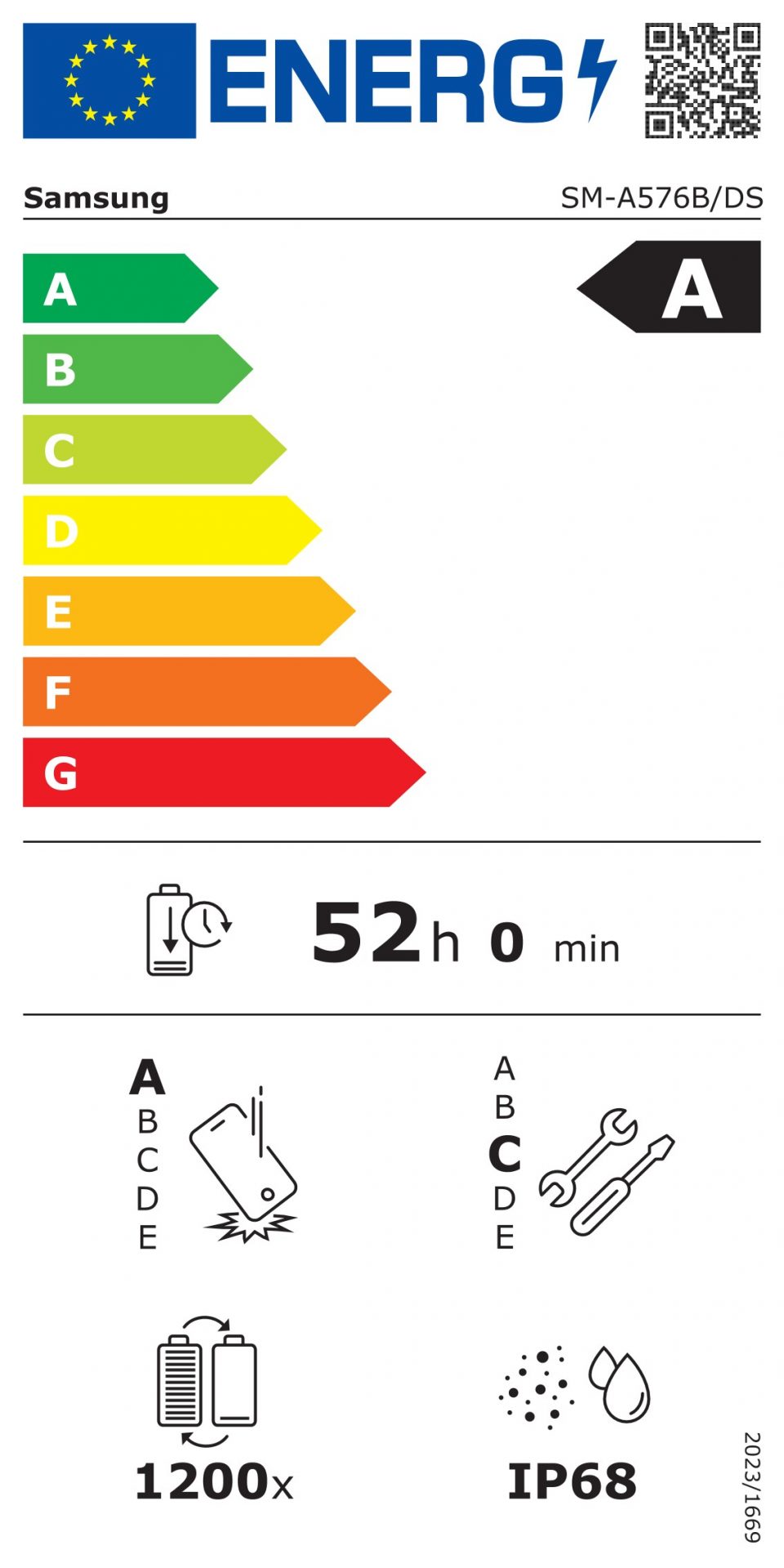
Both phones carry an IP68 rating, which means you can safely drop them in the toilet or the bathtub for up to half an hour—just don’t forget to fish them out. Previously, Samsung’s mid-range models only featured IP67 protection. Battery life, as we discussed earlier, is also virtually identical for both. Battery longevity and repairability are the same as well, and to be honest, both are equally underwhelming in these areas. The only real difference lies in drop resistance, where the Galaxy A57 performed better in tests. This is likely due to its lighter weight and sturdier aluminum frame.
Final Thoughts: Galaxy A57 vs A37 – Which One to Buy?
As of now, neither the Galaxy A57 nor the A37 is the absolute best choice in its price bracket. In the spring of 2026, you can find models from other reliable manufacturers that offer better specifications for the same price or even less. However, without a doubt, the Galaxy A57 features the best ultra-wide camera in its class, which could be a decisive factor for some users when choosing a smartphone.
For Samsung fans choosing between these two models, the Galaxy A57 clearly justifies its premium price with superior build materials (metal and Gorilla Glass Victus+), better durability, a significantly more powerful processor, enhanced connectivity (Wi-Fi 6E), and that higher-quality ultra-wide lens. It is the go-to choice for those who plan to play demanding games or frequently edit video on their device.
Additionally, the A57 features a dedicated physical proximity sensor (anyone who has ever accidentally put a call on hold with their cheek or ear will appreciate this), whereas the A37 relies on a virtual one.
On the other hand, the Galaxy A37 is an excellent option for those who want Samsung’s signature design, a high-quality display, and the same great battery life for less money. If you don’t need top-tier performance, the Samsung Galaxy A37 is a sensible purchase.

Don't miss interesting news
Subscribe to our channels and read announcements of high-tech news, tes






Oppo A6 Pro smartphone review: ambitious

 0
0 
Creating new mid-range smartphones is no easy task. Manufacturers have to balance performance, camera capabilities, displays, and the overall cost impact of each component. How the new Oppo A6 Pro balances these factors is discussed in our review.
In-Ear headphones Active Noise Cancellation: how Oppo eliminate noise
0 
In-ear headphones remain one of the most popular form factors due to their lightweight design. However, this design is considered one of the most challenging to implement active noise cancellation (ANC). We’ll explain how Oppo solved this problem.
The Sinking City 2: From Detective Mystery to Survival Horror

On August 18, The Sinking City 2, the latest project from the Ukrainian studio Frogwares, was officially released.
Acer Go Air: Ultra-Slim Laptop with 120Hz Display and Power-Packed Hardware

Acer has unveiled the new lightweight and affordable Go Air laptop, featuring a 120Hz display, a modern Intel processor, and impressive battery life.