

A portable solar charger will provide an electric car with a range of up to 50 km
14.07.24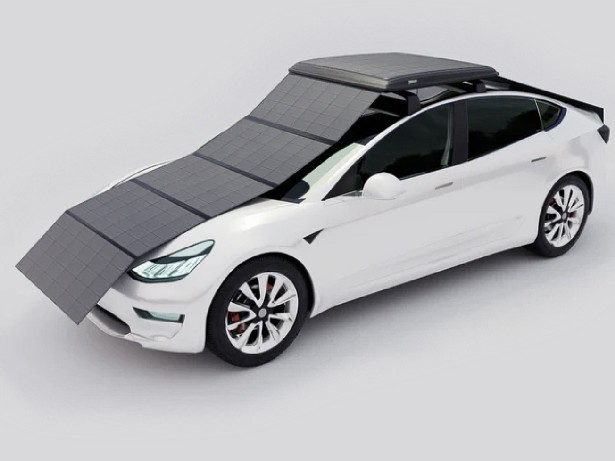
The GoSun company is preparing for release a portable charger called the Solar EV Charger, based on solar panels and intended for charging electric vehicles. The device is a compact portable structure that can be installed on the roof of a car. The novelty weighs about 32 kg.
The Solar EV Charger uses highly efficient solar panels. When the car stops, the panels unfold, creating a cover to absorb solar energy and convert it into electricity. This process only takes a minute. The device can be used at home, at work or in remote locations such as campsites.
The Solar EV Charger provides up to 1,200 watts of power, allowing for an electric vehicle range of up to 30 miles (about 50 km) per day of charging, although the average is 10-20 miles (16-32 km) depending on conditions. The device is suitable for vans, work trucks and campers, ensuring independence from the grid. After use, the panels fold into a secure car case with a lock to prevent theft.
The estimated price of the Solar EV Charger is $2999 and the start of deliveries is scheduled for 2025.
Don't miss interesting news
Subscribe to our channels and read announcements of high-tech news, tes

Oppo A6 Pro smartphone review: ambitious

 0
0 
Creating new mid-range smartphones is no easy task. Manufacturers have to balance performance, camera capabilities, displays, and the overall cost impact of each component. How the new Oppo A6 Pro balances these factors is discussed in our review.
Logitech G G325 headphones review: reliable and long-lasting
0 
Logitech G has released a new gaming headset that offers good ergonomics, stable connectivity, and high battery life at a very affordable price. Let’s talk about the Logitech G G325 in more detail
Norwegian electronics store will give GTA 6 to those who give birth on the day the game is released games GTA

Norwegian electronics retailer Komplett has announced an unusual promotion dedicated to the release of Grand Theft Auto VI. The company has promised to give a free copy of the game to all families whose children are born on the official release date – November 19, 2026.
The most affordable lifecell tariff can be transferred from other operators for free events in Ukraine lifecell rates

Ukrainian mobile operator lifecell has extended the “Care” tariff to subscribers who have used the number portability (MNP) service from other networks