

Which Xiaomi, Redmi or Poco smartphone buy – top Xiaomi 2025 lines
12.11.25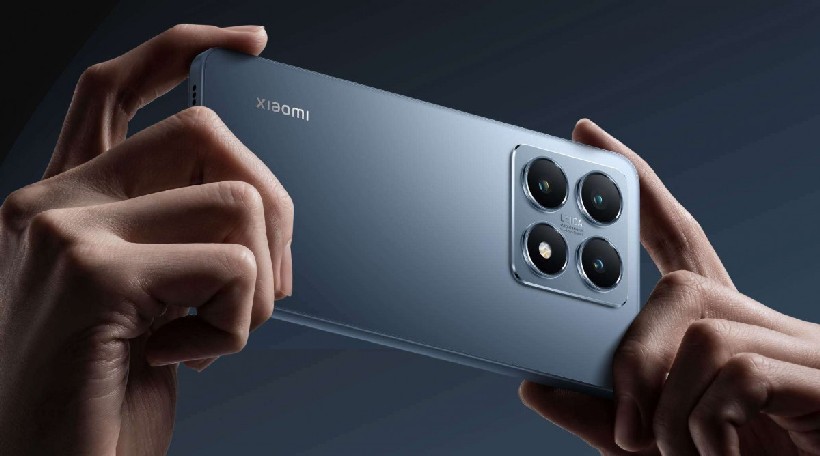
In 2025, the Xiaomi brand will release 3 main lines of its smartphones:
- Xiaomi Redmi. Budget and mid-budget smartphones.
- Xiaomi Poco. People’s flagship and people’s premium segment.
- Xiaomi. They did not have their own line name. Mostly these are above-average and premium smartphones.
The peculiarity is that Redmi and Poco models often imitate Xiaomi line devices. They are literally identical in characteristics and have minor differences in design. Nevertheless, there are times when one model is more interesting than another, having the same or lower price. Next, we will talk about the top models from the group of companies owned by Xiaomi. Which Xiaomi, Redmi and Poco can be called the best choice in 2025 in different price categories – from $100 to $1200. Xiaomi phones on Rozetka are presented in all these classes and various configurations – there is plenty to choose from.
Xiaomi Redmi smartphones
Redmi 15C – $100

The Redmi 15C smartphone is equipped with an octa-core MediaTek Helio G81-Ultra processor with a frequency of up to 2.0 GHz and Mali-G52 MC2 graphics. Available memory configurations: 4 GB RAM + 128 GB built-in or 4 GB + 256 GB, with support for expanding RAM up to 8 GB and storage up to 1 TB via microSD.
The large 6.9-inch display with a resolution of 1600×720 pixels has a refresh rate of up to 120 Hz, brightness up to 810 nits and TÜV Rheinland certification for reduced blue light levels and no flickering. The main camera has a resolution of 50 MP (f/1.8) and supports night shooting modes, HDR and time-lapse; the front camera is 8 MP.
The 6,000 mAh battery supports 33W fast charging, although an adapter is not included. The device supports two SIM cards and microSD, has a fingerprint scanner on the side, face recognition and NFC module (depending on the region). The IP64 dust and splash-proof case has dimensions of 171.56 × 79.47 × 7.99 mm and weighs about 205 g.
Redmi Note 14 – $200
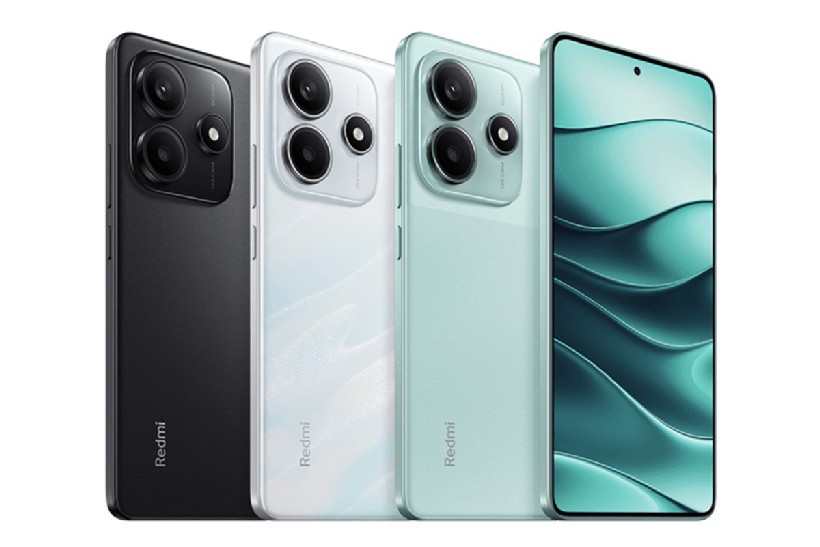
The Redmi Note 14 smartphone is powered by an octa-core MediaTek Helio G99-Ultra processor manufactured using a 6nm process technology, with a Mali-G57 MC2 graphics accelerator. Available memory configurations include 6GB RAM + 128GB internal storage or 8GB + 128/256GB, with the ability to expand storage up to 1TB via microSD.
The device is equipped with a 6.67-inch AMOLED display with a resolution of 2400×1080 pixels, a refresh rate of 120Hz, and high brightness. The main camera has a 108 MP sensor with an aperture of ƒ/1.7, complemented by two 2 MP modules for macro and depth of field, and the front camera has a resolution of 8 MP.
The 5500 mAh battery supports 33 W fast charging. The device has Corning Gorilla Glass 5, a side fingerprint scanner, NFC support (depending on the region) and IP54 dust and splash protection. The Redmi Note 14 is available in Mist Purple, Lime Green, Midnight Black and Ocean Blue and runs HyperOS.
Redmi Note 14 Pro+ 5G – $300
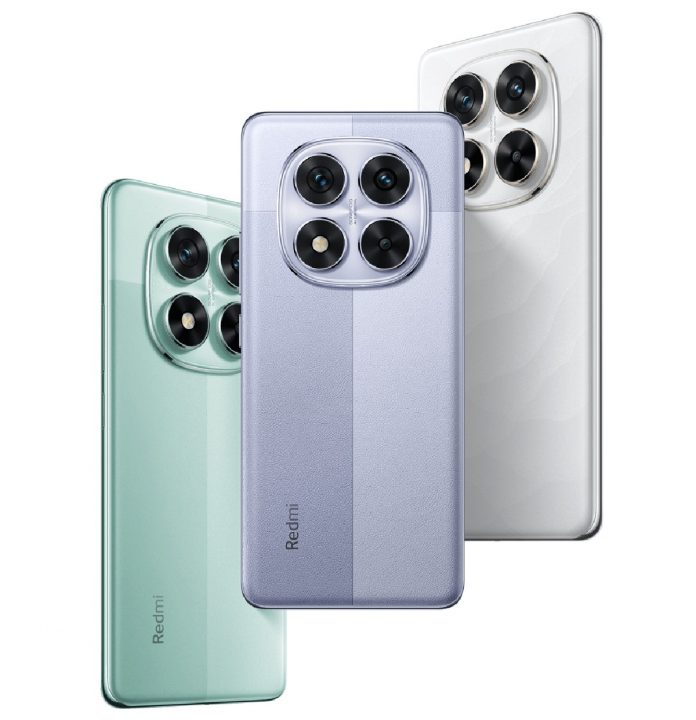
The Redmi Note 14 Pro+ 5G smartphone is built on the Snapdragon 7s Gen 3 chipset, created using a 4nm process technology, which provides high performance and energy efficiency. The AMOLED display has a diagonal of 6.67 inches, a resolution of 2712×1220 pixels, a refresh rate of 120 Hz and a peak brightness of up to 3000 nits.
The main camera with a 200 MP sensor and an aperture of f/1.65 is equipped with optical stabilization, and also supports 2× and 4× zoom without loss of quality; the front camera is 16 MP. The 5110 mAh battery supports 120 W fast charging using HyperCharge technology, which allows you to fully charge the device in a matter of minutes.
The smartphone has an IP68 certified body, which protects against dust and immersion in water, and the screen is covered with Corning Gorilla Glass Victus 2. Versions with 8 or 12 GB of RAM and 256 or 512 GB of built-in, non-expandable storage are available. The device supports two SIM cards, has an NFC module, an IR port, Dolby Atmos stereo speakers and an X-axis vibration motor, which emphasizes its flagship character in the Redmi Note series.
Comparison of Xiaomi Redmi Smartphone Specifications
| Specifications | Redmi 15C ($100) | Redmi Note 14 ($200) | Redmi Note 14 Pro+ 5G ($300) |
|---|---|---|---|
| Processor | MediaTek Helio G81-Ultra (8 cores, up to 2.0 GHz) | MediaTek Helio G99-Ultra (6 nm) | Snapdragon 7s Gen 3 (4 nm) |
| RAM/RAM | 4 GB + 128/256 GB, microSD up to 1 TB | 6/8 GB + 128/256 GB, microSD up to 1 TB | 8/12 GB + 256/512 GB, no microSD |
| Display | 6.9″ LCD, 1600×720, 120 Hz, 810 nits | 6.67″ AMOLED, 2400×1080, 120 Hz | 6.67″ AMOLED, 2712×1220, 120 Hz, 3000 nits |
| Primary camera | 50 MP (f/1.8) | 108 MP (f/1.7) + 2 MP + 2 MP | 200 MP (f/1.65, OIS) + additional modules |
| Front camera | 8 MP | 8 MP | 16 MP |
| Battery | 6000 mAh, 33 W | 5500 mAh, 33 W | 5110 mAh, 120 W HyperCharge |
| Protection case | IP64 | IP54 | IP68 |
| Other | NFC (depends on region), side scanner | Corning Gorilla Glass 5, NFC, HyperOS | Gorilla Glass Victus 2, Dolby Atmos, IR port, NFC |
| Dimensions and weight | 171.6×79.5×8 mm, 205 g | ≈ 165×76×8 mm, 187 g | ≈ 161×75×8.6 mm, 199 g |
Xiaomi Poco Smartphones
Poco X7 – $250
The smartphone runs on the MediaTek Dimensity 7300 Ultra chipset, made using a 4-nm process technology, which provides support for 5G networks and good performance. The display is a curved 6.67-inch AMOLED with a resolution of 1.5K (2712×1220 pixels), a refresh rate of 120 Hz and Corning Gorilla Glass Victus 2 protection.
The main camera has a 50 MP sensor with optical stabilization (OIS), and the auxiliary modules are 8 MP (ultrawide) and 2 MP (macro). The front camera is 20 MP. The battery has a typical capacity of 5110 mAh, supports fast charging (depending on the market) and is designed for active use. The device has IP68 water and dust protection, which is common for high-end models, but less common in the middle class.
Memory configurations – with RAM from 8 GB (plus dynamic expansion) and built-in memory of 256 GB or more; there is no memory card slot. The smartphone supports dual Nano-SIM, has modern interfaces and is available in several colors – black, green, silver.
Poco X7 Pro – $300
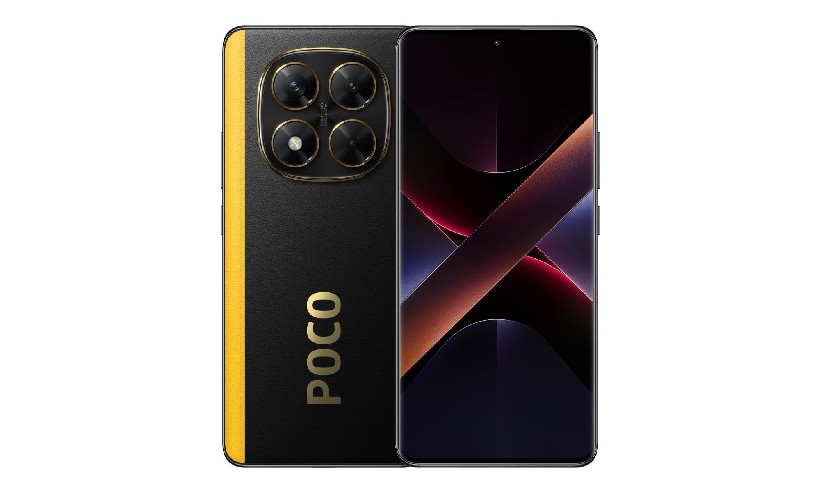
The POCO X7 Pro smartphone is built on a MediaTek Dimensity 8400-Ultra processor, created using a 4-nm process technology, with a frequency of up to 3.25 GHz and Mali-G720 graphics. Configurations with 8 or 12 GB of LPDDR5X RAM and 256 or 512 GB of UFS 4.0 internal memory are available, without a microSD slot.
The AMOLED display has a diagonal of 6.67 inches, a resolution of 2712×1220 pixels, a refresh rate of 120 Hz, a touch polling rate of up to 480 Hz and a peak brightness of up to 3200 nits. The dimensions of the case are 160.75 × 75.24 × 8.29 mm (for the plastic version) or 8.43 mm (for the model with artificial leather), weight – about 195–198 g.
The main camera received a 50 MP sensor with optical stabilization, the front camera has a resolution of 20 MP. The 6000 mAh battery supports 90 W charging using HyperCharge technology. The case is protected against dust and water according to the IP68 standard, and the screen is covered with Corning Gorilla Glass 7i.
Poco F7 Pro – $500

The POCO F7 Pro smartphone is built on a Qualcomm Snapdragon 8 Gen 3 processor, manufactured using a 4nm process technology, and is equipped with a 6,000 mAh battery with support for 90W fast charging. Configurations with 12 GB of RAM and 256 or 512 GB of built-in storage are available, without support for microSD memory cards.
The AMOLED display has a diagonal of 6.67 inches, a resolution of 3200×1440 pixels (2K), a refresh rate of 120 Hz and a peak brightness of up to 3200 nits. The smartphone runs Android 15 with HyperOS 2.0. The main camera is equipped with a 50 MP sensor with optical stabilization and an additional 8 MP module for ultra-wide-angle shooting, the front camera is 20 MP. The device is protected against dust and water according to the IP68 standard. The body has dimensions of 160.26 × 74.95 × 8.12 mm and weighs about 206 g.
Comparison of characteristics of Xiaomi Poco smartphones
| Specifications | Poco X7 ($250) | Poco X7 Pro ($300) | Poco F7 Pro ($500) |
|---|---|---|---|
| Processor | MediaTek Dimensity 7300 Ultra (4 nm, 5G) | MediaTek Dimensity 8400-Ultra (4 nm, up to 3.25 GHz) | Snapdragon 8 Gen 3 (4 nm) |
| Operating / Built-in memory | 8 GB + 256 GB, no microSD | 8/12 GB + 256/512 GB, no microSD | 12 GB + 256/512 GB, no microSD |
| Display | 6.67″ AMOLED, 1.5K (2712×1220), 120 Hz, Gorilla Glass Victus 2 | 6.67″ AMOLED, 2712×1220, 120 Hz, 3200 nits, Gorilla Glass 7i | 6.67″ AMOLED, 2K (3200×1440), 120 Hz, 3200 nit |
| Main camera | 50 MP (OIS) + 8 MP (ultrawide) + 2 MP (macro) | 50 MP (OIS) | 50 MP (OIS) + 8 MP (ultrawide) |
| Front camera | 20 MP | 20 MP | |
| Battery | 5110 mAh, fast charging | 6000 mAh, 90 W HyperCharge | 6000 mAh, 90 W |
| Body protection | IP68 | IP68 | IP68 |
| Dimensions and weight | —, about 190 g | 160.75×75.24×8.3 mm, 195–198 g | 160.26×74.95×8.12 mm, 206 g |
| Other | Dual SIM, AMOLED screen, 5G | LPDDR5X, UFS 4.0, NFC | HyperOS 2.0, Android 15, 5G |
Xiaomi Smartphone Lineup
Xiaomi 15T – $500
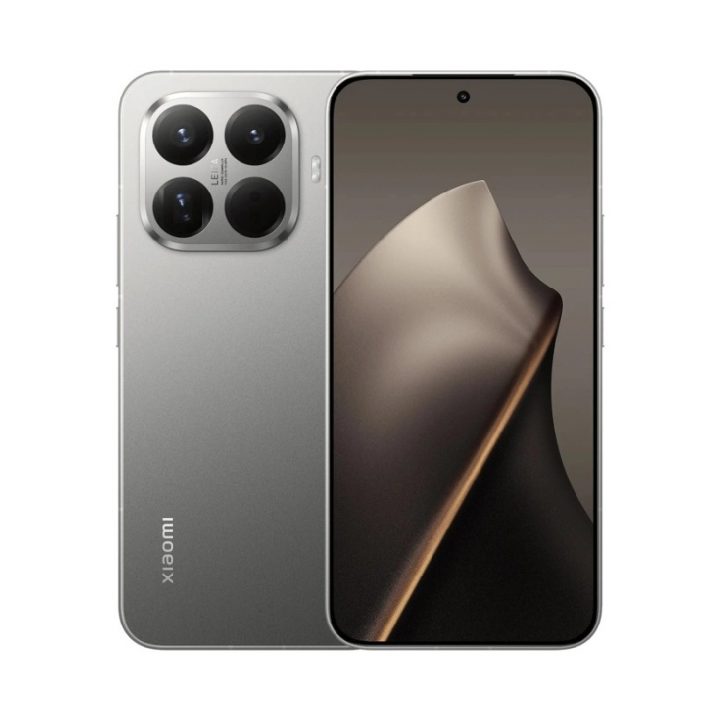
The Xiaomi 15T smartphone is equipped with a MediaTek Dimensity 8400-Ultra processor, created using a 4-nm process technology, with a Mali-G720 graphics core. The AMOLED display has a diagonal of 6.83 inches, a resolution of 2772×1280 pixels, a refresh rate of 120 Hz, a peak brightness of up to 3200 nits and a protective glass Corning Gorilla Glass 7i.
The main camera received a 50 MP Light Fusion 800 sensor, the telephoto camera has 50 MP with 2x optical zoom, and the ultra-wide module is 12 MP; the front camera is 32 MP. The 5500 mAh battery supports 67 W fast wired charging. The case measures 163.2 × 78 × 7.5 mm and weighs about 194 g. There is 12 GB of RAM and storage options of 256 or 512 GB. The smartphone supports 5G, Wi-Fi 7, eSIM and runs on the Android-based HyperOS system.
Xiaomi 15 – $600
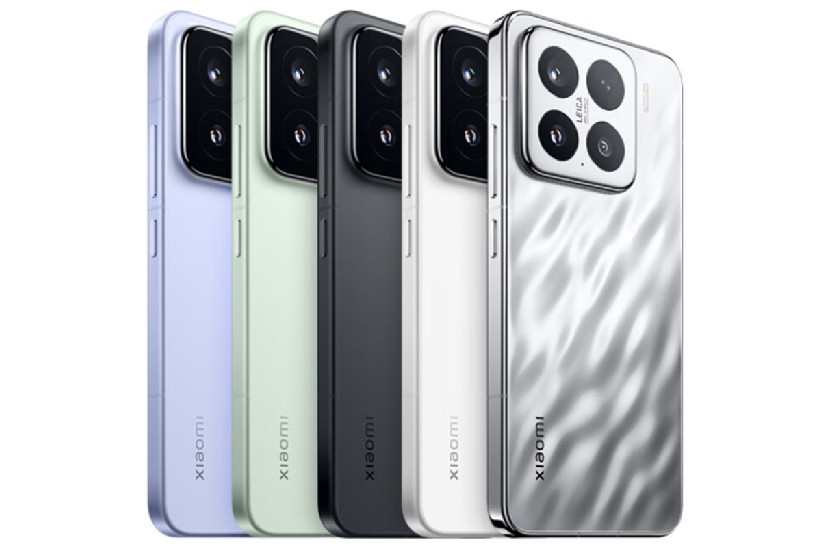
The Xiaomi 15 smartphone is equipped with a 6.36-inch LTPO AMOLED display with a resolution of 2670×1200 pixels, a refresh rate of up to 120 Hz and a peak brightness of up to 3200 nits. The device is powered by the Snapdragon 8 Elite processor, built on a 3nm process technology, and has up to 12 GB of RAM and up to 1 TB of built-in memory.
The main camera consists of three 50 MP modules – wide-angle, ultra-wide and telephoto; the front camera has a resolution of 32 MP. The 5240 mAh battery supports fast wired charging at 90 W and wireless charging at 50 W.
The case is protected against dust and moisture according to the IP68 standard, is 8.1 mm thick and weighs about 181 g. The smartphone supports 5G, Wi-Fi 7, Bluetooth of new generations and eSIM. The device runs HyperOS 2 based on Android 15.
Xiaomi 15 Ultra – $1200

The Xiaomi15Ultra smartphone is equipped with a Snapdragon 8 Elite, manufactured using 3nm technology, in tandem with 16 GB of LPDDR5X RAM and UFS 4.1 storage (512 GB or 1 TB). The display has a 6.73-inch AMOLED panel with a resolution of 3200×1440 pixels, a refresh rate of up to 120 Hz, a sensor sampling rate of up to 300 Hz and a peak brightness of up to 3200 nits.
The camera is represented by a system of several modules, including a 50 MP main sensor, a 50 MP wide-angle and a 200 MP periscope lens for significant optical zoom. The battery has a typical capacity of 5410 mAh, supports 90 W wired charging and 80 W wireless charging.
The smartphone body has an IP68 protection certification, is equipped with Xiaomi Shield Glass 2.0 for the screen, supports Wi-Fi 7, Bluetooth 6.0, two SIM cards (nano-SIM or eSIM) and an NFC module. The dimensions of the case are approximately 161.3 × 75.3 × 9.35 mm, weight about 226 g; available colors are black, white and silver Chrome.
The smartphone runs on the HyperOS 2 system based on Android and has modern capabilities for photography and video shooting, as well as stereo sound with Hi-Res Audio and Dolby Atmos certification.
Comparison of Xiaomi smartphone characteristics
| Specifications | Xiaomi 15T ($500) | Xiaomi 15 ($600) | Xiaomi 15 Ultra ($1200) |
|---|---|---|---|
| Processor | MediaTek Dimensity 8400-Ultra (4 nm) | Snapdragon 8 Elite (3 nm) | Snapdragon 8 Elite (3 nm) |
| RAM/Storage | 12 GB + 256/512 GB | up to 12 GB + up to 1 TB | 16GB LPDDR5X + 512GB / 1TB UFS 4.1 |
| Display | 6.83″ AMOLED, 2772×1280, 120 Hz, 3200 nits, Gorilla Glass 7i | 6.36″ LTPO AMOLED, 2670×1200, 120 Hz, 3200 nits | 6.73″ AMOLED, 3200×1440, 120 Hz, 300 Hz sensor, 3200 nits |
| Primary camera | 50 MP (Light Fusion 800) + 50 MP (2x zoom) + 12 MP (ultrawide) | 50 MP (wide) + 50 MP (ultrawide) + 50 MP (telephoto) | 50 MP (main) + 50 MP (wide) + 200 MP (periscope) |
| Front camera | 32 MP | 32 MP | |
| Battery | 5500 mAh, 67 W | 5240 mAh, 90 W wired / 50 W wireless | 5410 mAh, 90 W wired / 80 W wireless |
| Body protection | — | IP68 | IP68, Xiaomi Shield Glass 2.0 |
| Dimensions and weight | 163.2 × 78 × 7.5 mm, 194 g | 8.1 mm, 181 g | 161.3 × 75.3 × 9.35 mm, 226 g |
| Other | 5G, Wi-Fi 7, eSIM, HyperOS (on Android) | 5G, Wi-Fi 7, Bluetooth, eSIM, HyperOS 2 (on Android 15) | Wi-Fi 7, Bluetooth 6.0, NFC, Hi-Res Audio, Dolby Atmos, HyperOS 2 |
Recommendations for choosing a Xiaomi smartphone
Smartphones in the price range from $100 to $1000 and more vary significantly in capabilities and level of equipment. All of them are available on the Outlet, but you have to make the choice yourself, taking into account your wishes and usage scenarios and your budget. Here’s how the division of Xiaomi smartphones looks roughly in terms of price/functionality ratio:
- Ultra-budget smartphones – Models up to 8,000 UAH are basic devices designed for everyday use: social networks, watching videos, chatting and surfing the Internet.
- Budget smartphones– Up to 11,000 UAH you can find phones that are better suited for taking photos and videos or simple games – this is a noticeable step forward in performance.
- People’s flagships. Smartphones up to UAH 15,000 belong to the middle segment – they offer the optimal combination of price, quality and functions, justifying every hryvnia invested.
- Premium segment killers. Younger flagships start at UAH 20,000, which can cope with any complex tasks, including games and high-resolution photography.
- Premium. Full-fledged flagships are sold for up to UAH 30,000 – with premium body materials, wireless charging support and water protection.
- Ultrapremium smartphones. And smartphones from 40,000 UAH and above are already ultra-flagships and camera phones for users who expect maximum quality and are willing to pay for it.
Important! It is worth noting that ultra-expensive smartphones from Chinese brands, including Xiaomi, are not the same as Samsung and Apple. Even without taking into account possible glitches and breakdowns, service can become expensive or completely impossible due to the lack of spare parts. Dozens of expensive models from Xiaomi companies are released per year, and maintaining the infrastructure for all of them is impractical. Therefore, the life cycle of smartphones from Chinese brands is generally relatively short.


Don't miss interesting news
Subscribe to our channels and read announcements of high-tech news, tes






Oppo A6 Pro smartphone review: ambitious

 0
0 
Creating new mid-range smartphones is no easy task. Manufacturers have to balance performance, camera capabilities, displays, and the overall cost impact of each component. How the new Oppo A6 Pro balances these factors is discussed in our review.
Acer Nitro Lite 16 (NL16-71G) laptop review: versatile and attractive
0 
The 2025 Acer Nitro Lite 16 features an interesting case design, gaming accents, and proven components. Let’s take a closer look at its features.
MWC 2026: Lenovo ThinkBook Modular AI PC Concept unveiled – detachable display, Bluetooth keyboard, USB-A, USB-C and HDMI ports Bluetooth laptop Lenovo MWC

Lenovo introduces new ThinkBook Modular AI PC Concept, combining a detachable second display and interchangeable ports
Apple MacBook Neo with iPhone 16 Pro processor costs $599 Apple iPhone laptop processor

Apple introduced the affordable MacBook Neo laptop. It received the A18 Pro mobile processor, which was previously used in the iPhone 16 Pro and iPhone 16 Pro Max.