

The Kia EV4 electric car will be released in two versions – sedan and hatchback
20.02.25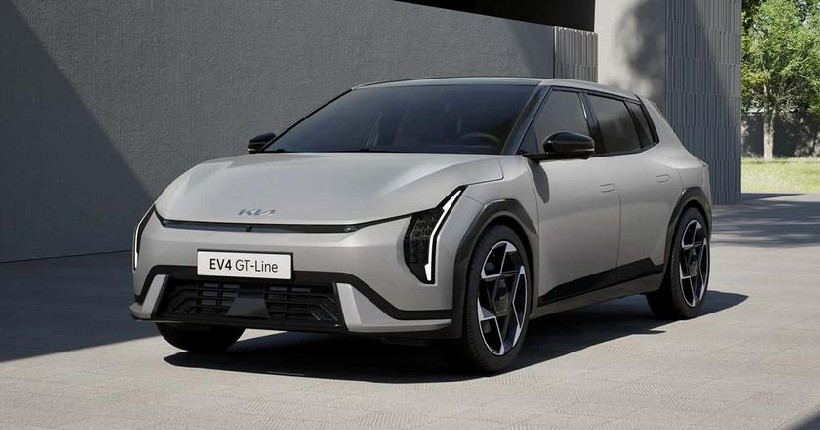
The virtual debut of the production Kia EV4 electric car took place just a week before the highly anticipated Kia EV Day 2025 event, which will take place on February 27 in Tarragona, Spain.
The new Kia EV4 expands the brand’s lineup of electric cars and, like its concept version, is distinguished by its unique design. The front of both versions – sedan and hatchback – is similar: vertical LED daytime running lights, darkened grille and original optics. However, the profile of these cars is very different.
The EV4 sedan has a long rear overhang and a beveled rear window, which gives the car a resemblance to classic supercars with a characteristic “long tail”. The EV4 hatchback looks more traditional, but still very interesting. It lacks the “long tail”, but it has a more vertical rear window, modified body pillars, a roof spoiler and rear lights connected by a light strip.
Both versions of the car will be available in GT-Line trim, which includes aggressive bumpers and 19-inch wheels.
Although Kia has not yet revealed interior details and specifications, it is likely that the EV4 will use a familiar architecture with a wide display that combines the instrument panel and multimedia system.
Don't miss interesting news
Subscribe to our channels and read announcements of high-tech news, tes

Oppo A6 Pro smartphone review: ambitious

 0
0 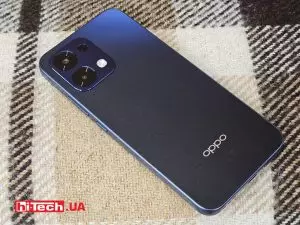
Creating new mid-range smartphones is no easy task. Manufacturers have to balance performance, camera capabilities, displays, and the overall cost impact of each component. How the new Oppo A6 Pro balances these factors is discussed in our review.
Oppo Reno16 Pro 5G smartphone review: well-heeled
0 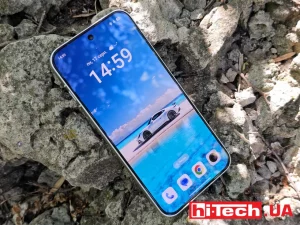
Oppo Reno16 Pro 5G looks like a balanced smartphone, in which the manufacturer tried not to make a single characteristic the defining one. It has many advantages. Let’s tell you what
NVIDIA invests billions in MediaTek to Dominate AI Infrastructure

NVIDIA is investing $3.5 billion into MediaTek to strengthen their strategic partnership and expand influence over data center infrastructure.
Poco Targets Battery Supremacy: X8 and X8 Power Specs Surface Ahead of September 4 Launch

Poco is preparing for the debut of its X8 and X8 Power smartphones, promising record-breaking battery life of up to 3.5 days on a single charge. The presentation is scheduled for September 4.