

BYD’s new strategy: billions of euros in infrastructure for electric cars
11.06.26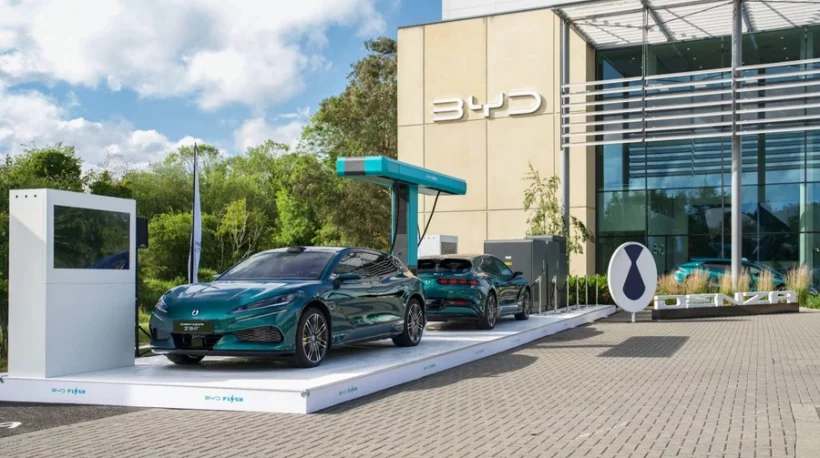
The Chinese car manufacturer BYD plans to invest about €2 billion in the development of ultra-fast charging infrastructure in Europe. It is about creating a network of stations designed to support the company’s “instant charging” technology, which will be used in new generations of the company’s electric cars.
Large-scale development of the charging network
As part of the program, BYD plans to install about 3,000 charging stations in Europe by 2027. The company pays special attention to Great Britain, where approximately 600 infrastructure facilities should appear.
At the same time, the internal network in China is developing – by the end of 2026, about 20,000 chargers are planned to be launched there. According to the company’s estimates, the construction of one station costs approximately €580,000, which is due to the high technological complexity and requirements for the power system.
Ultra-fast charging technology
The new infrastructure is designed to work with batteries of the latest generation, which BYD introduces in its models. The company claims that the technology significantly reduces the time it takes to charge an electric car.
Some models are able to charge up to 70% in about five minutes, and a full charge can take about 12 minutes even at low temperatures. The premium brand Denza is the first to receive such technology, including the Z9GT model, the price of which starts at approximately 115,000 euros. In the future, the system is planned to be extended to more affordable cars.
Energy model and network load
BYD notes that the charging stations will use energy accumulators that are filled at night at lower rates. This should reduce the load on the power grid during peak hours and increase the stability of the infrastructure.
The company also believes that the development of ultra-fast charging can eliminate one of the key barriers to the mass transition to electric cars – the long waiting time for charging.
Regulatory difficulties of implementation
Despite the scale of the plans, the main obstacle to the rapid development of the network remains the process of obtaining permits from local authorities in European countries. The company emphasizes that it is technically ready for the accelerated launch of the infrastructure, but the timing largely depends on regulatory procedures.
Don't miss interesting news
Subscribe to our channels and read announcements of high-tech news, tes

Oppo A6 Pro smartphone review: ambitious

 0
0 
Creating new mid-range smartphones is no easy task. Manufacturers have to balance performance, camera capabilities, displays, and the overall cost impact of each component. How the new Oppo A6 Pro balances these factors is discussed in our review.
In-Ear headphones Active Noise Cancellation: how Oppo eliminate noise
0 
In-ear headphones remain one of the most popular form factors due to their lightweight design. However, this design is considered one of the most challenging to implement active noise cancellation (ANC). We’ll explain how Oppo solved this problem.
Ninkear L20: A Compact Intel Lunar Lake Mini PC With Copilot+ Support

Ninkear L20 is a new mini PC based on the Intel Lunar Lake architecture with 40 TOPS NPU support and official Copilot+ PC compliance.
Samsung Wallet Adds Digital Key Support for Volkswagen EVs
Samsung Wallet is adding support for digital car keys for Volkswagen ID series electric vehicles, allowing Galaxy smartphone users to unlock and start their cars key-free.