

Realme demonstrated a new 300W charging technology that charges a smartphone from 0 to 17% in 35 seconds
12.08.24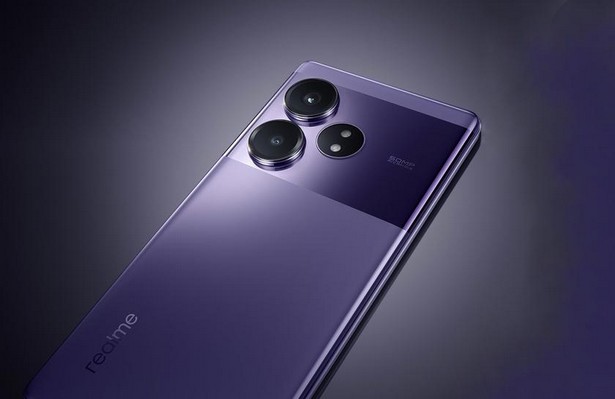
Realme is gearing up to unveil its new 300W wired charging technology at a special event in China on August 14. A video has already appeared that demonstrates how this technology works in real conditions. The video shows that the phone took just 35 seconds to charge from 0 to 17%, which is an impressive result.
Interestingly, Redmi also announced its 300W charging system earlier this year, but has yet to release a single device with the technology. Realme already has experience with phones that support 240W charging, making the move to 300W more likely.
If Realme can successfully implement this technology, it could become the first company to offer such charging power in its devices. However, the upcoming event will only feature a demonstration of the technology and not the launch of a new smartphone.
Don't miss interesting news
Subscribe to our channels and read announcements of high-tech news, tes

Oppo A6 Pro smartphone review: ambitious

 0
0 
Creating new mid-range smartphones is no easy task. Manufacturers have to balance performance, camera capabilities, displays, and the overall cost impact of each component. How the new Oppo A6 Pro balances these factors is discussed in our review.
In-Ear headphones Active Noise Cancellation: how Oppo eliminate noise
0 
In-ear headphones remain one of the most popular form factors due to their lightweight design. However, this design is considered one of the most challenging to implement active noise cancellation (ANC). We’ll explain how Oppo solved this problem.
Apple Music to Introduce AI Music Labels

Apple Music will introduce special Made With AI labels for songs created with generative artificial intelligence by the end of 2026.
Windows 11 Update Breaks Games: The RGB Fix

The latest cumulative Windows 11 update has caused issues with game performance and stability. Microsoft confirmed the conflict is triggered by RGB peripheral software.