

The Android-based Xreal Beam Pro smartphone can create 3D images and videos
09.06.24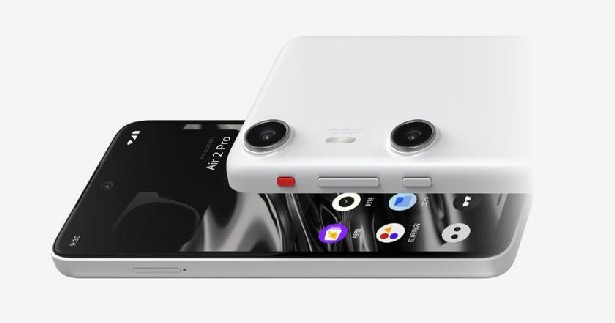
The Xreal company released the Beam Pro smartphone, which runs on the basis of Android and is equipped with 3D cameras.
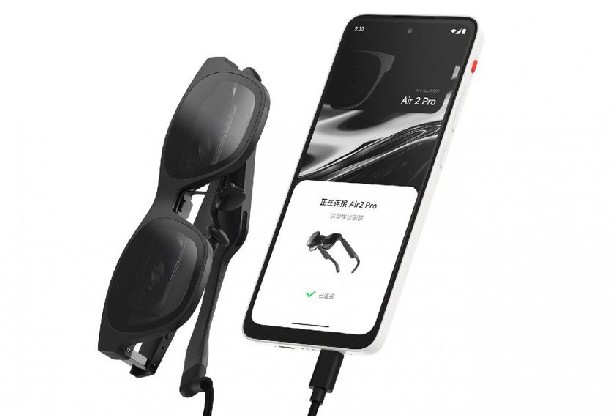
The device is intended as a companion to the company’s Air AR glasses. Beam Pro runs on “nebulaOS”, which is Android 14 specially tuned for Augmented Reality (AR).
One of the key features of the Beam Pro is the built-in 3D cameras that allow you to create 3D images and videos.
Characteristics of the Xreal Beam Pro smartphone
- 6.5-inch 90Hz LCD display (1080 x 2400 pixels, 20:9)
- Two 50-megapixel cameras (ISOCELL JN1) for shooting 3D photos and videos
- 4nm Snapdragon chipset with 4300 mAh battery
- Memory options: 6GB / 128GB and 8GB / 256GB, expandable up to 1TB
- Support Wi-Fi 6 (ax) and Bluetooth 5.2
- Two USB-C ports for connecting glasses and charging
The Xreal Beam Pro will be available for sale from May 31, with the base model priced at US$180 (RMB 1,300) for the 6+128GB version. The 5G-enabled model will be available in August for 2,000 yuan, while the enterprise version will be available for 3,000 yuan.
Don't miss interesting news
Subscribe to our channels and read announcements of high-tech news, tes

Oppo A6 Pro smartphone review: ambitious

 0
0 
Creating new mid-range smartphones is no easy task. Manufacturers have to balance performance, camera capabilities, displays, and the overall cost impact of each component. How the new Oppo A6 Pro balances these factors is discussed in our review.
Acer Nitro Lite 16 (NL16-71G) laptop review: versatile and attractive
0 
The 2025 Acer Nitro Lite 16 features an interesting case design, gaming accents, and proven components. Let’s take a closer look at its features.
Samsung smartphones will receive satellite communications support worldwide Samsung smartphone

Samsung has announced expanded satellite communications capabilities for a range of Galaxy smartphones, including the new Galaxy S26 series.
Apple iPad Air 2026 received an M4 chip, 12 GB of RAM and Wi-Fi 7 starting at $599 Apple iPad tablet world events

Essentially, it’s the same Apple iPad Air 2026, but with a current chip from the Apple Silicon line. It runs iPadOS 26.