

The Android-based Xreal Beam Pro smartphone can create 3D images and videos
09.06.24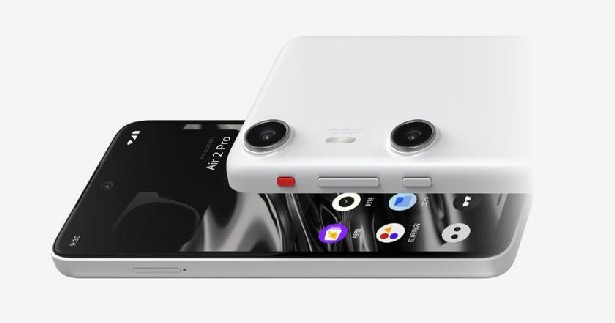
The Xreal company released the Beam Pro smartphone, which runs on the basis of Android and is equipped with 3D cameras.
The device is intended as a companion to the company’s Air AR glasses. Beam Pro runs on “nebulaOS”, which is Android 14 specially tuned for Augmented Reality (AR).
One of the key features of the Beam Pro is the built-in 3D cameras that allow you to create 3D images and videos.
Characteristics of the Xreal Beam Pro smartphone
- 6.5-inch 90Hz LCD display (1080 x 2400 pixels, 20:9)
- Two 50-megapixel cameras (ISOCELL JN1) for shooting 3D photos and videos
- 4nm Snapdragon chipset with 4300 mAh battery
- Memory options: 6GB / 128GB and 8GB / 256GB, expandable up to 1TB
- Support Wi-Fi 6 (ax) and Bluetooth 5.2
- Two USB-C ports for connecting glasses and charging
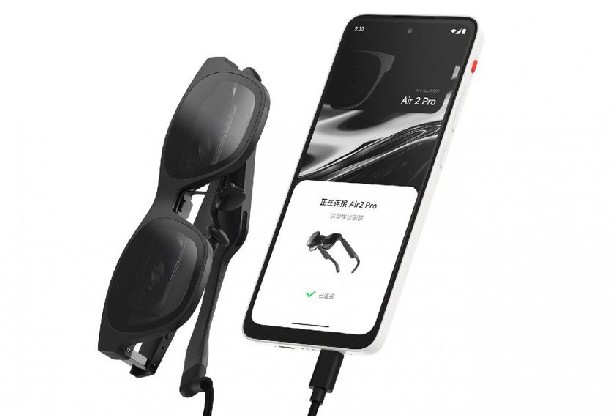
The Xreal Beam Pro will be available for sale from May 31, with the base model priced at US$180 (RMB 1,300) for the 6+128GB version. The 5G-enabled model will be available in August for 2,000 yuan, while the enterprise version will be available for 3,000 yuan.
Don't miss interesting news
Subscribe to our channels and read announcements of high-tech news, tes

Oppo A6 Pro smartphone review: ambitious

 0
0 
Creating new mid-range smartphones is no easy task. Manufacturers have to balance performance, camera capabilities, displays, and the overall cost impact of each component. How the new Oppo A6 Pro balances these factors is discussed in our review.
Oppo Reno16 Pro 5G smartphone review: well-heeled
0 
Oppo Reno16 Pro 5G looks like a balanced smartphone, in which the manufacturer tried not to make a single characteristic the defining one. It has many advantages. Let’s tell you what
Huawei Readies Slimmer Watch D3 and New FreeBuds Neo
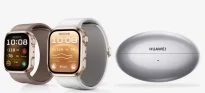
Huawei has teased the Watch D3 smartwatch with blood pressure monitoring and the new FreeBuds Neo earbuds. The official announcement is scheduled for September 2.
Made in Germany: Does the Gigaset GS6 Pro Live Up to the Hype?
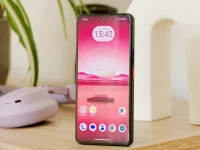
The Gigaset GS6 Pro bets on German engineering and repairability. We explore what this status really means and whether it holds up against the competition.