

Lenovo concepts at CES 2026
10.01.26
At CES 2026, Lenovo unveiled a series of concept devices it views as a foundation for a future personal artificial intelligence ecosystem. The exhibit included a prototype ThinkPad Rollable XD laptop with a rollable screen, the Lenovo Personal AI Hub, a personal data center known under the working title Project Kubit, concept Lenovo AI Glasses, a Smart Sense Display, and several experimental accessories.
Lenovo ThinkPad Rollable XD
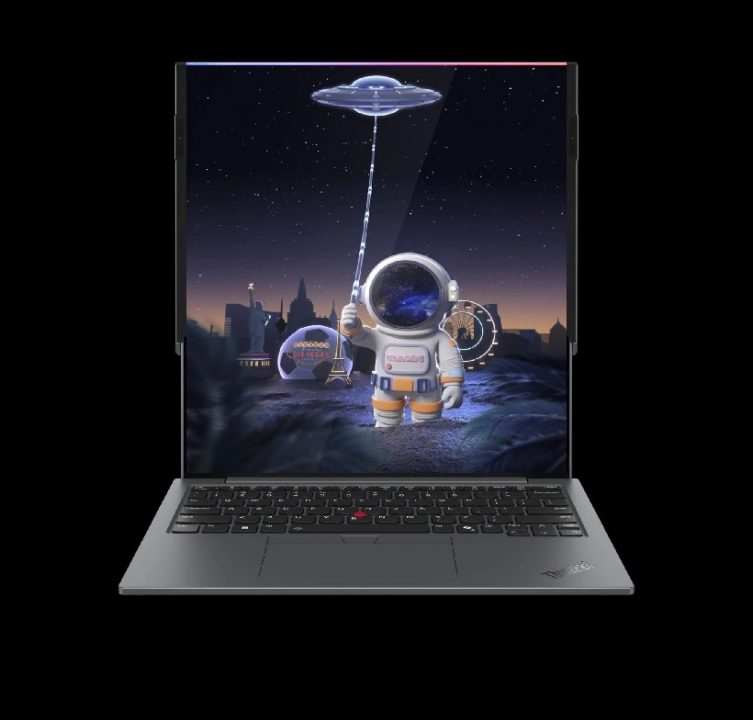
One of the most notable exhibits was the ThinkPad Rollable XD. Lenovo describes it as a device with an outward-facing screen and a display that unfolds from the user’s side. When folded, the laptop offers a 13.3-inch diagonal, but when the mechanism is activated, the screen expands to nearly 16 inches, adding more than half the additional space without changing form factor. The unfolding is controlled via swipe-to-X gestures and voice commands. The design features Corning Gorilla Glass Victus 2 with 180-degree viewing angles, which simultaneously protects the screen and leaves the rolling mechanism visible. Lenovo cites AI-enabled scenarios including simultaneous translation, voice assistants, and multimodal interactions.
Lenovo Personal AI Hub
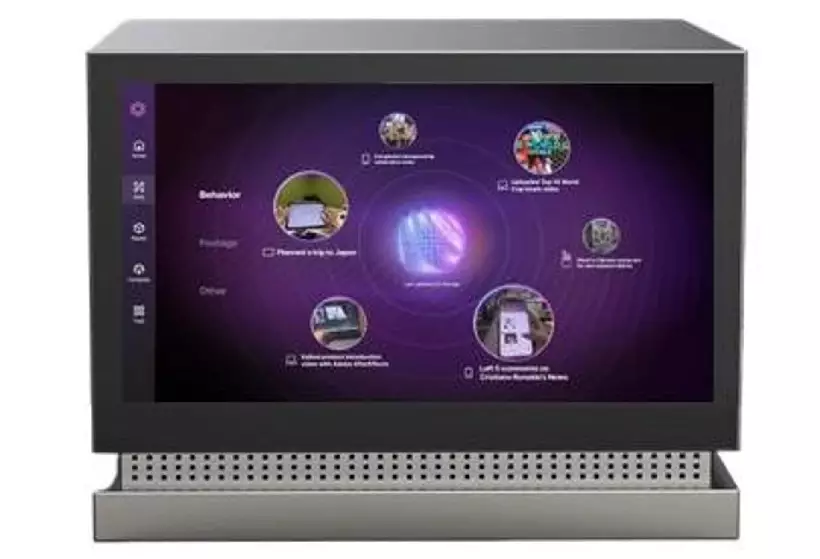
Another element of the future ecosystem is the Lenovo Personal AI Hub, known as Project Kubit. It’s a concept for a personal edge-cloud device designed to support AI applications across the user ecosystem—from PCs and smartphones to wearables and smart home devices. According to the company, the hub houses two compact ThinkStation PGX AI workstations, built on the NVIDIA GB10 Grace Blackwell Superchip. Control is proposed via a transparent touchscreen, as well as touch and voice commands.
Lenovo AI Glasses
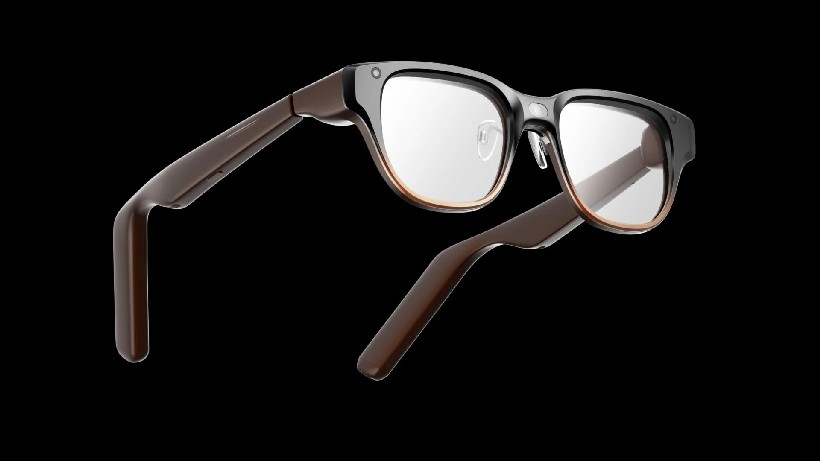
Lenovo AI Glasses were unveiled as a concept for smart glasses that wirelessly connect to a smartphone or computer. The device combines voice and touch controls and is designed for scenarios such as hands-free calling, using a teleprompter during presentations, and managing multimedia. Features such as low-latency live translation and intelligent image recognition are also announced, powered by the computing power of the connected device.
Lenovo Smart Sense Display
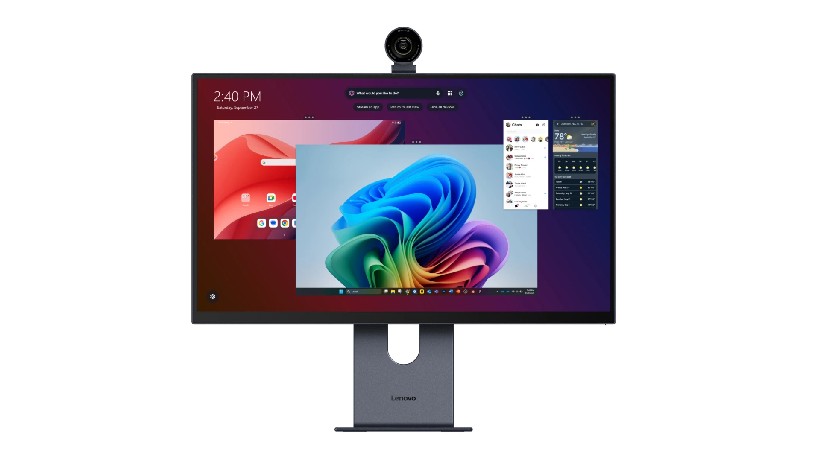
At the exhibit, Lenovo also showcased the Smart Sense Display—a concept 27-inch UHD display that can act as a central hub for multiple personal devices, including wireless connectivity. The company describes scenarios for multi-screen collaboration, window management, and interaction with a smart assistant via touch or voice input. Particular emphasis is placed on comfort features, such as automatically adjusting brightness and color temperature based on the time of day, as well as real-time eye fatigue monitoring. The display is designed for use by multiple users and should adapt to individual profiles.
New Lenovo Accessories
In addition to the main devices, Lenovo showcased a number of accessory prototypes. Among them is the Adaptable Keyboard—a compact keyboard capable of adapting to various work scenarios, including adjustable key travel and optical activation for varying keystroke force. The Self-Charging Kit—a concept keyboard and mouse combination utilizing light energy harvesting—was also on display. According to the company, this kit can operate even in low light conditions and reduce the need for regular recharging.
Lenovo also mentioned Project Maxwell, developed by Motorola’s 312 Labs team. This concept is an AI companion that analyzes context using audio and visual data, monitors the user’s surroundings, and offers real-time prompts and recommendations to automate everyday tasks.
Furthermore, the Legion Pro Rollable laptop with a horizontally sliding screen was on display at the booth. Lenovo believes this format could be useful for esports athletes who need to train in a familiar environment while remaining mobile.
Don't miss interesting news
Subscribe to our channels and read announcements of high-tech news, tes

Oppo A6 Pro smartphone review: ambitious

 0
0 
Creating new mid-range smartphones is no easy task. Manufacturers have to balance performance, camera capabilities, displays, and the overall cost impact of each component. How the new Oppo A6 Pro balances these factors is discussed in our review.
Oppo Reno 15 5G smartphone review: confident
0 
The Oppo Reno15 smartphone emphasizes design, a high-quality display, versatile cameras, and good battery life. Let’s take a closer look.
Amazfit T-Rex Ultra 2 – rugged watch with a titanium case and an 870 mAh battery Amazfit protection smart watches

Kkey upgrade of the Amazfit T-Rex Ultra 2 is the 870 mAh battery. This is a 74 percent increase compared to the previous T-Rex Ultra model, which was equipped with a 500 mAh battery.
Asus has released a laptop with Windows 11 pure OS Asus laptop Windows

Asus ExpertBook B5 G2 was introduced as a Copilot+ PC class device as part of the company’s business announcement, but the mention of a pure version of the system was not publicly emphasized.