

Grok AI can now create images
16.08.24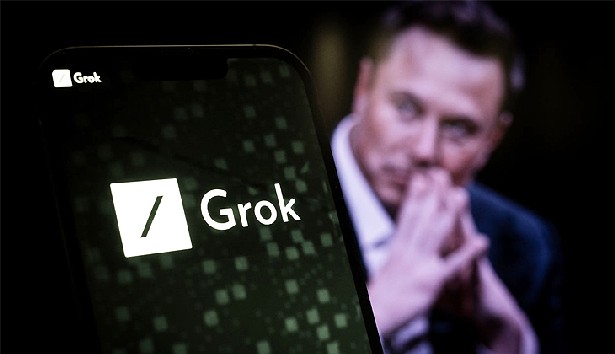
xAI, a company founded by Elon Musk, has jumped on the fast-moving AI technology train. However, somewhere in the second-to-last car, where the II-models draw images. The Grok model can now generate pictures.
The ability to create images using the Grok generator is now available to users of the X Premium+ subscription, which costs $16 per month (or $22 when signing up through the app). It is important to note that this subscription level allows users to enjoy ad-free content.
Grok, while still in its early stages of development, is showing progress in imaging. Although they look quite realistic, there are some features that indicate their artificial origin. These include, for example, airbrushed details and other typical AI errors, such as the appearance of random, unrecognizable shapes in images.
Despite these shortcomings, the launch of the Grok-2 and Grok-2 Mini shows that the company is serious about continuing to improve its models. This could impact the generative artificial intelligence market, creating new opportunities and competition in the field.
Don't miss interesting news
Subscribe to our channels and read announcements of high-tech news, tes

Oppo A6 Pro smartphone review: ambitious

 0
0 
Creating new mid-range smartphones is no easy task. Manufacturers have to balance performance, camera capabilities, displays, and the overall cost impact of each component. How the new Oppo A6 Pro balances these factors is discussed in our review.
In-Ear headphones Active Noise Cancellation: how Oppo eliminate noise
0 
In-ear headphones remain one of the most popular form factors due to their lightweight design. However, this design is considered one of the most challenging to implement active noise cancellation (ANC). We’ll explain how Oppo solved this problem.
Garmin Fenix 9 Surface: Everything We Know Before the Official Launch

A Czech retailer has accidentally revealed the full Garmin Fenix 9 lineup, consisting of 18 different variants. The new models feature various case sizes, integrated satellite connectivity, and an official launch scheduled for August 25.
Apple Music to Introduce AI Music Labels

Apple Music will introduce special Made With AI labels for songs created with generative artificial intelligence by the end of 2026.