

Google TV Streamer media player supports 4K, HDR, Dolby Atmos, Spatial Audio and syncs with Google Home
09.08.24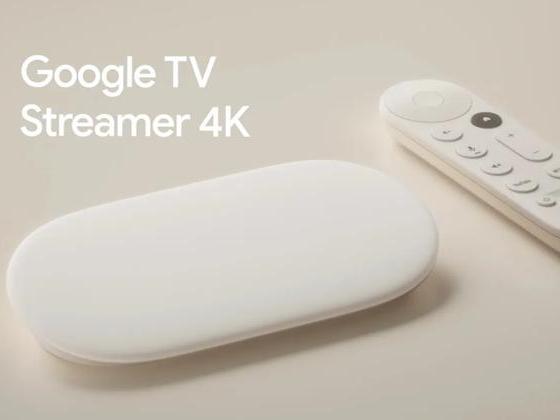
Google announced the launch of the new Google TV Streamer, which will appear on the market in September. The device features an updated design that resembles a wireless charging pad and supports the function of a smart home hub thanks to the built-in Thread radio. This allows you to integrate with other smart devices in the house and serve as their central hub.
The new Google TV Streamer is equipped with a more powerful processor, which is 22% faster than previous models. The device also has 32 GB of memory.
Special attention was paid to the new remote control. It’s got a redesigned button layout for ease of use and a textured back for the best grip. Supported technologies include 4K, HDR, Dolby Atmos and Spatial Audio. The device also integrates with the Google Home panel.
Google TV Streamer will be available in two colors – Porcelain and Hazel.
Don't miss interesting news
Subscribe to our channels and read announcements of high-tech news, tes

Oppo A6 Pro smartphone review: ambitious

 0
0 
Creating new mid-range smartphones is no easy task. Manufacturers have to balance performance, camera capabilities, displays, and the overall cost impact of each component. How the new Oppo A6 Pro balances these factors is discussed in our review.
Oppo Reno16 Pro 5G smartphone review: well-heeled
0 
Oppo Reno16 Pro 5G looks like a balanced smartphone, in which the manufacturer tried not to make a single characteristic the defining one. It has many advantages. Let’s tell you what
Acer Debuts 1000Hz Predator Monitor and New Display Lineup

At IFA 2026, Acer unveiled a series of eight new monitors, headlined by the record-breaking 1000Hz Predator XB253Q U1 display.
The Witcher Remake Stalls: Why the Delay?

CD Projekt RED has paused active development of the original The Witcher remake to prioritize resources for The Witcher IV and the Songs of the Past expansion.