

Netflix now has over 300 million subscribers
24.01.25
Netflix, one of the largest streaming services, ended 2024 with stunning results. According to the published financial report for the fourth quarter, the number of subscribers of the service exceeded 301 million people.
During the reporting period, Netflix managed to attract 18.91 million new users. This is almost twice the company’s projected increase of 9.18 million. The growth in subscriptions was 15.9% compared to the same period in 2023.
Geography of new subscribers:
- USA and Canada: 4.82 million.
- Europe, the Middle East and Africa: 5 million.
- South America: 4.15 million.
- Asia: 4.94 million.
Netflix’s growth is attributed to several key premieres:
- The thriller “Carry-On” is the platform’s new hit.
- The second season of “Squid Game” is Netflix’s most successful series. The season has garnered over 330 million views, equivalent to 2.8 billion hours of viewing.
- An exclusive broadcast of the boxing match between Jake Paul and Mike Tyson also attracted the attention of viewers.
Don't miss interesting news
Subscribe to our channels and read announcements of high-tech news, tes

Oppo A6 Pro smartphone review: ambitious

 0
0 
Creating new mid-range smartphones is no easy task. Manufacturers have to balance performance, camera capabilities, displays, and the overall cost impact of each component. How the new Oppo A6 Pro balances these factors is discussed in our review.
Oppo Reno16 Pro 5G smartphone review: well-heeled
0 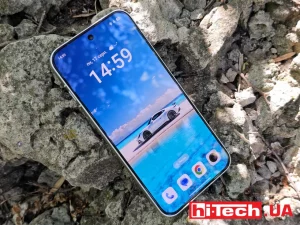
Oppo Reno16 Pro 5G looks like a balanced smartphone, in which the manufacturer tried not to make a single characteristic the defining one. It has many advantages. Let’s tell you what
Garmin Releases Critical Firmware Update to Fix Display Glitches

Garmin has released software version 17.39 for popular watch models, including the Forerunner, Venu, and Vivoactive lines. The patch addresses display bugs and fixes gesture recognition issues.
Watch the Sony Xperia 10 VIII Reveal Live: Stream Link
Where and when to watch the presentation of the newest Sony Xperia 10 VIII smartphone, which will complement the company’s flagship series.