

Microsoft confirms the possibility of transferring BitLocker keys to intelligence agencies
27.01.26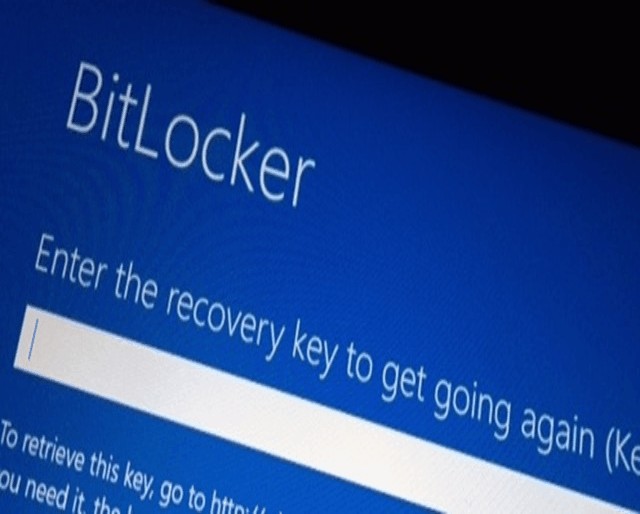
Microsoft has admitted that it can transfer BitLocker encryption keys to law enforcement agencies in cases where the user stores them in the cloud of his Microsoft account. This is reported by Forbes.
The company confirmed that it provides such keys on the basis of an existing court order, noting that the Federal Bureau of Investigation in the United States presents about two dozen such requests each year. This practice distinguishes Microsoft from Apple and Google, which have repeatedly stated that there is no technical way to unlock the encrypted devices of their users.
How BitLocker works and where the key is stored
BitLocker is a disk encryption system built into Windows, designed to protect data in the event of loss or theft of the device. When encryption is activated, the system creates a backup recovery key without which access to the encrypted disk is impossible.
Windows offers several ways to save this key, including printing, writing to USB media or saving to the cloud Microsoft account. If the user chooses the cloud option, the key is stored on the company’s servers and, if there is a court order, can be transferred to law enforcement agencies.
Security and trust issues
It is currently unknown whether BitLocker keys are stored on Microsoft servers in plain text or in encrypted form. At the same time, the very fact that they can be transferred means that the company has technical access to this data. This raises additional questions about the security of recovery keys stored in the cloud and potential risks for users.
A Microsoft representative noted that cloud storage of keys is indeed convenient, but it can also have risks of unauthorized access. In this regard, the company advises users to weigh the pros and cons for themselves and decide whether to store the key in the cloud or choose a local storage method.
Don't miss interesting news
Subscribe to our channels and read announcements of high-tech news, tes

Oppo A6 Pro smartphone review: ambitious

 0
0 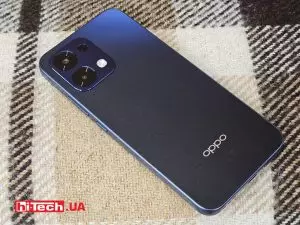
Creating new mid-range smartphones is no easy task. Manufacturers have to balance performance, camera capabilities, displays, and the overall cost impact of each component. How the new Oppo A6 Pro balances these factors is discussed in our review.
In-Ear headphones Active Noise Cancellation: how Oppo eliminate noise
0 
In-ear headphones remain one of the most popular form factors due to their lightweight design. However, this design is considered one of the most challenging to implement active noise cancellation (ANC). We’ll explain how Oppo solved this problem.
Ninkear L20: A Compact Intel Lunar Lake Mini PC With Copilot+ Support
Ninkear L20 is a new mini PC based on the Intel Lunar Lake architecture with 40 TOPS NPU support and official Copilot+ PC compliance.
Samsung Wallet Adds Digital Key Support for Volkswagen EVs
Samsung Wallet is adding support for digital car keys for Volkswagen ID series electric vehicles, allowing Galaxy smartphone users to unlock and start their cars key-free.