

Fractal Design North XL RC case for boards with connectors on the back
26.03.25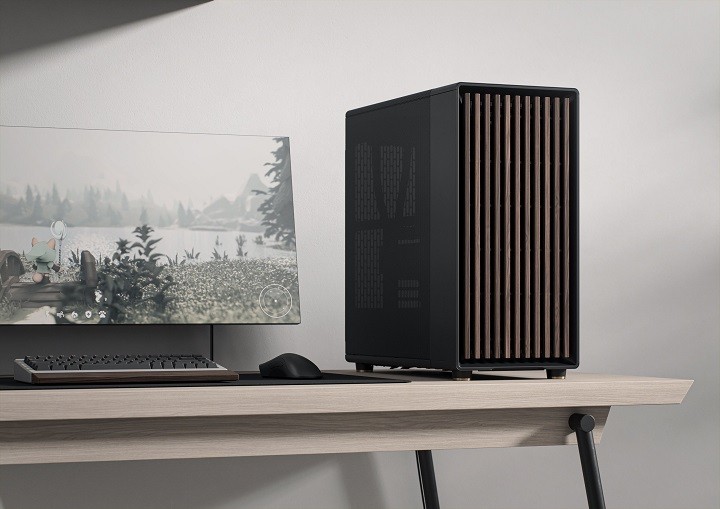
The Swedish company Fractal Design is preparing to release a new version of the North XL case, called the North XL RC. The key difference of this modification was the support for motherboards with connectors on the back. Compatibility is claimed with Gigabyte Stealth, ASUS Back to the Future and MSI Project Zero solutions.
The rest of the case design has retained the features of the original model. It is equipped with a wooden front panel and is designed for ATX format boards, while the standard North XL supported E-ATX. The updated version also provides a little more space for convenient cable routing.

The dimensions of the case are 503×240×509 mm, and the weight is about 9.7 kg. One of the side panels is made of tempered glass. Detailed technical specifications of the Fractal Design North XL RC are presented on the manufacturer’s website. In Europe, the new product is already available for purchase at a price of 190 euros. Buyers are offered options in black and white.
Don't miss interesting news
Subscribe to our channels and read announcements of high-tech news, tes

Oppo A6 Pro smartphone review: ambitious

 0
0 
Creating new mid-range smartphones is no easy task. Manufacturers have to balance performance, camera capabilities, displays, and the overall cost impact of each component. How the new Oppo A6 Pro balances these factors is discussed in our review.
In-Ear headphones Active Noise Cancellation: how Oppo eliminate noise
0 
In-ear headphones remain one of the most popular form factors due to their lightweight design. However, this design is considered one of the most challenging to implement active noise cancellation (ANC). We’ll explain how Oppo solved this problem.
Qualcomm Snapdragon C Challenges Intel in Budget Windows Laptops
Qualcomm has introduced the Snapdragon C. The chip features an 8-core Kryo CPU, Adreno graphics, and a Hexagon NPU, demonstrating a clear performance edge over the Intel N250.
Gears of War: E-Day Gets Limited Edition Xbox Controllers

Microsoft has unveiled two limited-edition Xbox controllers featuring a unique Gears of War: E-Day aesthetic.