

Doom: The Dark Ages now available on PC, PlayStation 5 and Xbox
15.05.25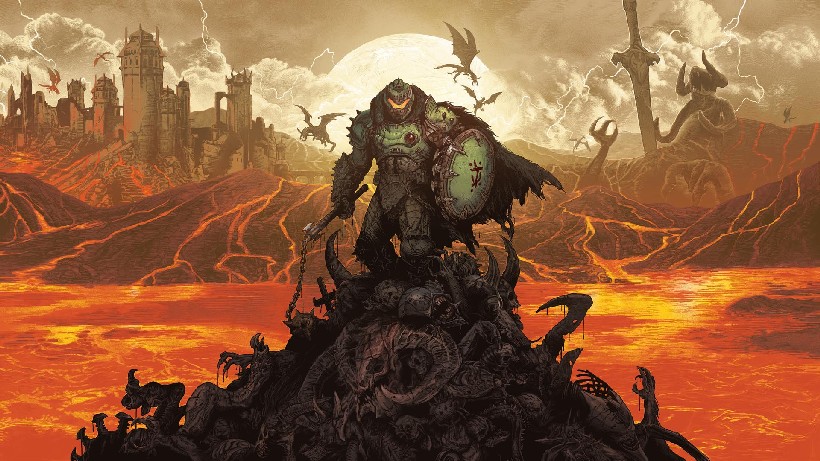
Today, the release of a new part of the legendary shooter series – Doom: The Dark Ages – took place. The project from the id Software studio appeared on PC, PlayStation 5 and Xbox Series, and also became available at no additional cost for Game Pass subscribers.
Users have already started sharing their impressions: many are responding positively to the visual component and combat system. However, despite the active discussion, the start in terms of the number of players on Steam turned out to be more modest than in previous parts.
According to data as of Thursday, the peak online was 30,232 people. This is significantly lower than the indicators of Doom Eternal, which gathered 104,891 players at the start, and Doom of the 2016 model, where the peak reached 44,271 users.
The game received 86% positive reviews on Steam, which indicates stable quality and good reception from the audience.
Nevertheless, there are complaints, fans are dissatisfied with the requirements: the game does not provide a stable 60 fps on the RTX 3060 at 1080p and medium settings without upscaling.
Don't miss interesting news
Subscribe to our channels and read announcements of high-tech news, tes

Oppo A6 Pro smartphone review: ambitious

 0
0 
Creating new mid-range smartphones is no easy task. Manufacturers have to balance performance, camera capabilities, displays, and the overall cost impact of each component. How the new Oppo A6 Pro balances these factors is discussed in our review.
Oppo Reno16 Pro 5G smartphone review: well-heeled
0 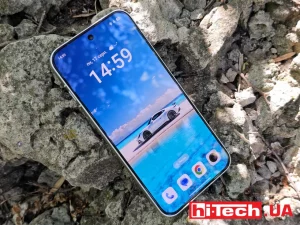
Oppo Reno16 Pro 5G looks like a balanced smartphone, in which the manufacturer tried not to make a single characteristic the defining one. It has many advantages. Let’s tell you what
Samsung Exynos 2700 Spotted in Geekbench With Boosted 4.24 GHz Clock Speed

The upcoming flagship Samsung Exynos 2700 chipset has reappeared in the Geekbench database, this time showcasing significantly increased clock speeds. The engineering sample is closing the gap on Qualcomm’s offerings by utilizing advanced compute cores.
The Hunt for Cyberleek: Take-Two Takes Legal Action Against GTA 6 Leaks

Rockstar Games and Take-Two Interactive have initiated an official legal investigation aimed at finding those responsible for leaking closed materials regarding GTA 6.