

ChatGPT Translate supports translation in over 50 languages
20.01.26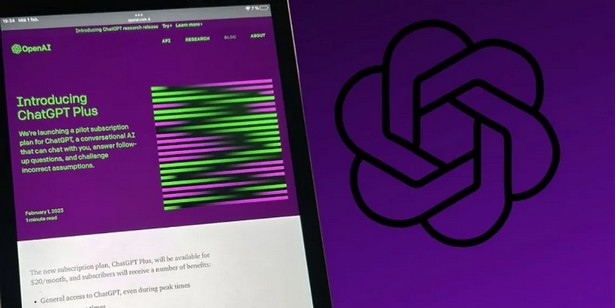
OpenAI has launched a new translation tool called ChatGPT Translate. It supports over 50 languages and offers AI-driven customization of prompts. Users can type text, dictate it with their voice, or upload images for translation.
A direct competitor to Google Translate with an emphasis on AI
While the chatbot could previously be used for translation, the separate service is positioned as a direct competitor to Google Translate. The tool focuses on tone and context, but does not yet support the translation of documents, websites, or images. At first glance, the interface is familiar to Google Translate users: two text fields for input and result, automatic language detection. In other words, the service performs almost all the basic functions expected of a classic translator.
The main feature is working with text after translation
The key difference of ChatGPT Translate is not so much in the translation itself, but in the possibilities that open up after it is received. At the bottom of the interface, users are offered several options for “one-button” prompts that allow them to reformat the translated text.
Among the available options are to make the translation smoother, rewrite it in a business or official style, simplify it for a child, or adapt it for an academic audience. Selecting any option instantly takes the user to the main ChatGPT interface with an already formed prompt, which opens the way to deeper customization using generative AI. Thanks to this approach, ChatGPT Translate has a pronounced AI-first character and goes beyond simple “language-to-language” translation.
Limitations compared to Google Translate
Despite the novelty of the approach, the lag behind Google Translate in functionality remains noticeable. The ChatGPT Translate page states that the service supports the translation of uploaded images, but in practice it is not yet possible to add images to the translation field. At the moment, the tool only works with text translation on the desktop. Text input using a microphone is available in the browser on the smartphone.
There is also no support for documents, handwriting, websites, and real-time translation of conversations – in all these areas Google Translate has been strong for many years. In addition, Google’s service supports significantly more languages than ChatGPT Translate.
Google’s response and the possible future of the translation market
Meanwhile, Google continues to aggressively develop its translation technology. Last month, the company announced major updates to its Gemini platform, including improved handling of nuanced expressions such as idioms, slang, and local idioms. It also introduced a beta version of live voice-to-voice translation using headphones and added new languages focused on learning and skill development.
Today, Google is clearly the leader in the translation market. But ChatGPT Translate hints at a different future — one where translation is not only accurate, but also adapted to a specific audience and context of communication. If OpenAI expands language support and adds multimodal capabilities, this quiet launch could be the beginning of a much larger product confrontation with Google.
Don't miss interesting news
Subscribe to our channels and read announcements of high-tech news, tes

Oppo A6 Pro smartphone review: ambitious

 0
0 
Creating new mid-range smartphones is no easy task. Manufacturers have to balance performance, camera capabilities, displays, and the overall cost impact of each component. How the new Oppo A6 Pro balances these factors is discussed in our review.
Acer Nitro Lite 16 (NL16-71G) laptop review: versatile and attractive
0 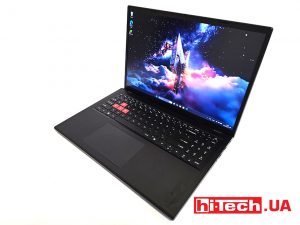
The 2025 Acer Nitro Lite 16 features an interesting case design, gaming accents, and proven components. Let’s take a closer look at its features.
MWC 2026: Honor Robot Phone – smartphone with movable external camera Honor MWC smartphone

Honor reveals new details about the Robot Phone smartphone. The main feature of the device is a movable camera
Apple M5 Pro and Apple M5 Max processors introduced – up to 30% performance boost Apple laptop processor world events
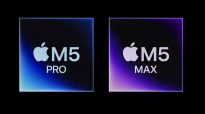
Graphics subsystem of the Apple M5 Pro and Apple M5 Max remains the main difference between the models. The M5 Pro is equipped with a GPU with up to 20 cores, the M5 Max with up to 40 cores.