

Casio G-Shock GBA-950 watch gets Bluetooth and GPS
06.05.25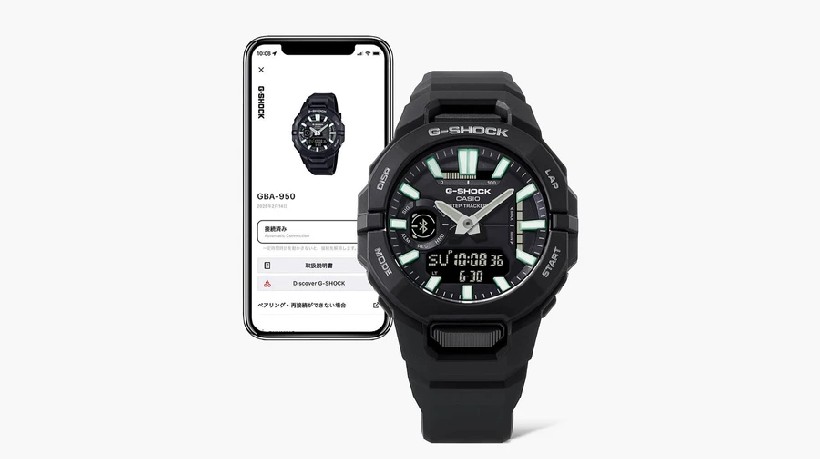
Casio has released (via NotebookCheck) a new model of its G-Shock GBA-950 hybrid sports watch, which is now available in Japan. It is equipped with GPS, which allows users to track sports data by synchronizing the watch with a smartphone via Bluetooth.
Thanks to the Casio Watches app, you can view detailed workout logs on the watch, as well as use GPS to track distance traveled, measure your pace, automatically record laps, track steps or calories burned.
In addition to sports functions, the GBA-950 supports two world time zones, has a stopwatch, countdown timer and multiple alarms. Digital displays show not only the time, but also the intensity of your training and progress towards your goals.
The model is available in three colors: black, purple-black and white-gray. The watch case is made of durable resin, which makes it water resistant to 200 meters. A built-in LED backlight adds convenience when using the watch in the dark, and the estimated battery life is two years.
The Casio G-Shock GBA-950 is already on sale in Japan for 25,300 yen (~$176). It is not yet known whether this model will appear in the international market.
Don't miss interesting news
Subscribe to our channels and read announcements of high-tech news, tes

Oppo A6 Pro smartphone review: ambitious

 0
0 
Creating new mid-range smartphones is no easy task. Manufacturers have to balance performance, camera capabilities, displays, and the overall cost impact of each component. How the new Oppo A6 Pro balances these factors is discussed in our review.
Oppo Reno16 Pro 5G smartphone review: well-heeled
0 
Oppo Reno16 Pro 5G looks like a balanced smartphone, in which the manufacturer tried not to make a single characteristic the defining one. It has many advantages. Let’s tell you what
Xbox Lands on TCL: Cloud Gaming Without a Console

Microsoft officially announced a partnership with TCL to launch the Xbox cloud service on smart TVs.
Budget Laptops at Risk as Component Costs Surge by 50%
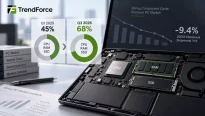
According to a TrendForce report, components like processors, RAM, and storage now account for 68% of a laptop’s production cost, up from 45% last year.