

Home autonomous power sources: inverters, batteries, solar panels
26.01.26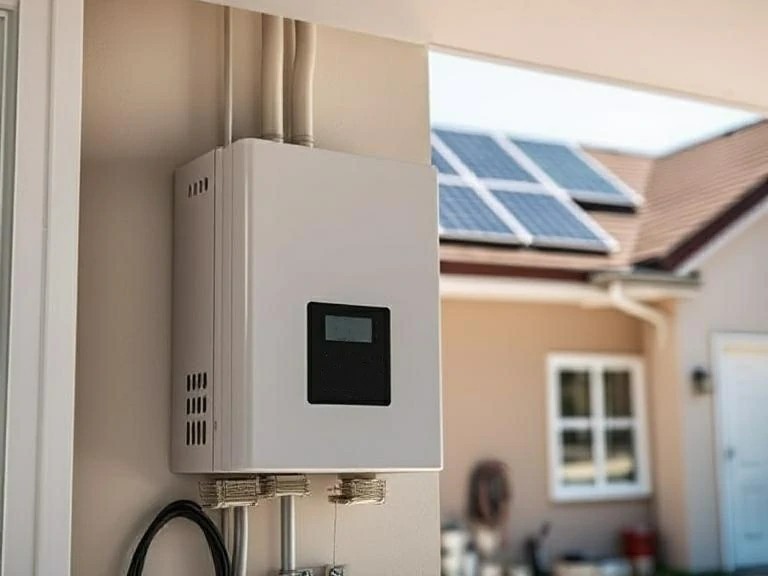 In this article, we’ll examine the basic principles of building a backup and autonomous power supply system for the home. This material will help you understand how to choose the right inverter based on load power, sine wave type, and battery system configuration.
Particular attention is paid to calculating the actual power consumption of household appliances, taking into account starting currents and power reserves. The text explains the different types of inverters and when it’s best to use autonomous, hybrid, or backup solutions. The main types of uninterruptible power supplies and their intended uses for powering individual devices are also described.
We also discuss battery types and their specific operating characteristics in the home. Readers will learn why modern lithium iron phosphate batteries are considered the optimal choice for frequent backup power. The article also addresses issues of equipment compatibility, safety, and system efficiency.
This section also covers the selection of solar panels and calculating their required power, taking seasonal factors into account. As a result, you will gain a comprehensive understanding of how to intelligently select equipment for a stable power supply for your home.
How to Choose an Inverter for Your Home
When choosing an inverter for home use, it’s important to determine the system’s purpose in advance: whether it will be used as a backup power source during power outages or as a fully autonomous power system. The main criteria are the required power, output type, battery operating voltage, and inverter type. Budget and system expansion potential must also be considered.
Determining the Required Power
Accurate power calculation is a key step that determines the stability of the entire system.
Calculation steps:
- Make a list of consumers. Indicate all devices you plan to connect: lighting, internet equipment, heating boiler, refrigerator, pumps, and home electronics.
- Add up the nominal power. Values are taken from technical data sheets or factory labels (W).
- Consider starting currents. Equipment with electric motors (refrigerators, pumps, compressors) consume 2-3 times more energy at startup. The inverter must withstand these short-term peaks.
- Add a power reserve. It is recommended to add an additional 20-30% to the total to avoid overloads and extend the life of the equipment.
Determining the Actual Load
We create a list of devices that are highly likely to operate simultaneously and record their nominal consumption. Data sources include technical documentation or wattmeter measurements.
Example of base load calculation:
- LED lighting — 30 pcs x 7 W = 210 W
- Laptops — 2 x 120 W = 240 W
- Desktop computer — 300 W
- Router — 30 W
- Refrigerator — 50 W (average consumption, excluding start-up)
- TVs — 2 x 150 W = 300 W
- Chargers — 70 W
Total: about 1200 W (1.2 kW) — the minimum comfortable set.
Additional energy-intensive appliances:
- Washing machine — 800 W
- Electric stove (1 burner) — 1500 W
- Boiler — 1500 W
The total rated power during simultaneous operation can reach 5 kW, requiring a powerful inverter with a high starting reserve.
Output sine wave type
- Pure sine wave.
Required for heating boilers, pumps, refrigerators, medical equipment, and sensitive electronics. Ensures correct operation without noise, overheating, or electronic errors. - Modified sine wave.
Suitable only for simple loads: incandescent lamps, phone chargers, simple power supplies. Not recommended for homes with a boiler or pumps.
Battery system voltage
- 12 V — compact systems up to 1–2 kW (dachas, minimum reserve).
- 24 V — optimal for loads of 2–3 kW.
- 48 V — the best choice for systems of 3 kW and above.
Provides lower currents, reduces cable losses, and increases overall system efficiency.
Inverter Type
- Off-Grid.
Completely independent from the power grid, operates with batteries and solar panels. Suitable for remote homes. - Hybrid.
A versatile solution: manages the grid, batteries, and solar panels. Can sell or store energy. - Standby (UPS).
Provides quick switching during a grid outage, but is not designed to power an entire home for long periods.
Additional Selection Options
- Efficiency. Modern inverters have an efficiency of 90–96%. The higher the rating, the less energy loss.
- Protection systems. Protection against overload, short circuit, overheating, and deep battery discharge is mandatory.
- Manufacturer. Well-known brands provide stable electronics, real power, and service support.
Selection recommendations
- Lighting, Internet, Gadgets: 1–1.5 kW, pure sine wave, 12 V
- Boiler and Pumps: 2–3 kW, pure sine wave, 24–48 V
- Whole House: 5–10 kW, hybrid inverter, 48 V, LiFePO4 batteries
5 Models of 5 kW Home Inverters
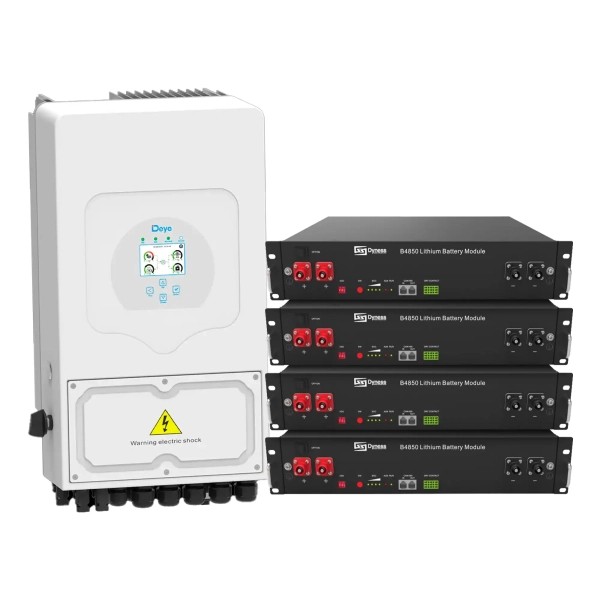
DEYE SUN-5K 5kW Hybrid Inverter is a 5 kW hybrid inverter, well suited for homes with solar panels and batteries. It offers stable operation and is popular among users.
Megarevo O5KL1D 5kW Off-Grid Inverter is a stand-alone 5 kW inverter, ideal for homes without a grid connection or for a fully autonomous solar power system; it can withstand short-term peaks of up to ~7.5 kW.
HVM-5KW Plus Parallel Hybrid Inverter is a 5 kW 48 V hybrid inverter that can be used with LiFePO4 batteries and expands the system via parallel connection.
Deye SUN-5K-SG05LP1-EU 5kW Hybrid Inverter is a single-phase hybrid inverter from the renowned brand Deye, suitable for homes with solar panels and batteries.
Huawei SUN2000-5KTL-L1 5kW Grid Inverter is a 5 kW grid-tie inverter for grid-tied solar systems (without batteries or in hybrid configurations). Huawei is known for its reliability in the PV industry.
Top 10 kW Home Inverters
MUST PH19-10048 EXP Hybrid Inverter — ~10 kW Hybrid Inverter
Suitable for homes with solar panels and batteries. Combines standalone and grid-tied operation.
DEYE SUN-10K-SG04LP3-EU Hybrid Solar Inverter — 10 kW Hybrid Solar Inverter
Supports solar panels. A good option for a complete home power system.
EcoFlow PowerOcean 10kW 3P — Powerful three-phase inverter ~10 kW
Suitable for large homes and cottages that require three-phase power.
How to Choose a Home Battery
The battery is the foundation of a backup or standalone system. Its type affects its service life, safety, and efficiency.
Choosing a Battery Type
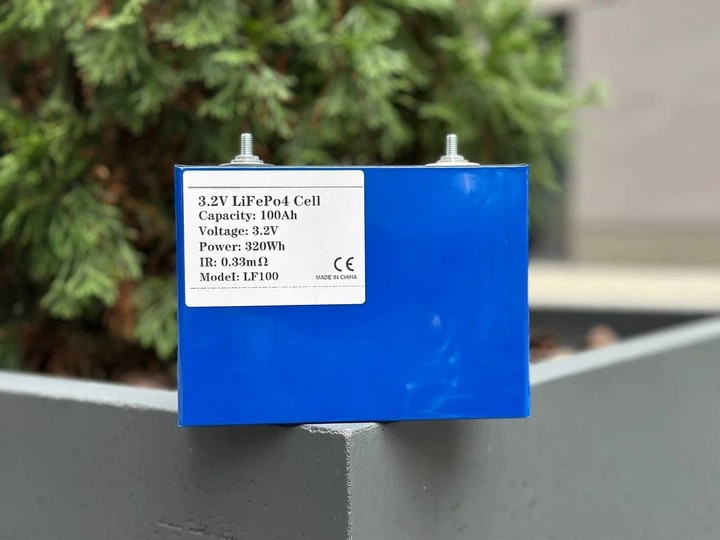
LiFePO4 (lithium iron phosphate)
The most modern and reliable solution. They are distinguished by:
- a service life of 10–15 years;
- high safety;
- fast charging;
- resistance to frequent charge/discharge cycles.
Ideal for homes with regular power outages.
GEL / AGM (lead-acid)
More affordable:
- GEL batteries withstand deep discharges better;
- AGM batteries are suitable for rare emergency shutdowns.
Disadvantages: heavier weight, shorter service life, and sensitivity to deep discharges.
Compatibility and operating conditions
- Voltage. Must match the inverter (12/24/48V).
- Inverter compatibility. LiFePO4 batteries require the correct charging profile.
- Temperature conditions.
- LiFePO4 batteries perform well in hot weather;
- Lead-acid batteries do not tolerate frost well;
- GEL batteries are more resistant to cold.
Why choose LiFePO4
For home use, the optimal option is LiFePO4 48V.
These safe lithium batteries offer high thermal stability, a long service life (up to 6,000+ cycles), and high efficiency. They are widely used in UPS systems, solar power plants, electric vehicles, and industrial power generation.
Key advantages:
- Minimal fire risk;
- Lighter weight and compactness;
- High power output;
- Built-in battery management system (BMS) protects against overcharge and deep discharge.
5 Batteries for Home Plug-In and Use
48V 51.2V 200Ah LiFePO4 Movable Energy Storage Battery
This battery is a powerful 48V LiFePO4 power source with ~10 kWh capacity, suitable for homes with a 3-7 kW inverter. LiFePO4 chemistry ensures a long lifespan—up to 6,000 cycles or more—making it a worthwhile investment for years to come. These batteries are resistant to deep discharges and are safer than traditional lead-acid batteries thanks to a built-in BMS with overcharge and overheat protection. The convenient, portable design allows for both stationary use and easy portability. This is an excellent backup power solution for essential loads, such as boilers, pumps, lighting, and home electronics.
RCT Voltronic LIO-II 4810 5000Wh LiFePO4 Battery Module
This modular LiFePO4 battery, rated at approximately 5 kWh and 51.2 V, is ideal for small home backup power systems or solar panels. Thanks to LiFePO4 technology, the battery maintains a stable voltage throughout its discharge and can power devices without power surges until the last percent of charge—important for boilers and inverters. Its relatively compact size and modularity make it easy to build larger systems by connecting multiple modules in parallel. The built-in BMS monitors cell safety and balance, preventing overheating, short circuits, and deep discharges. It’s an excellent option for those looking to create an autonomous power supply with the ability to expand as their needs grow.
48V 200Ah Power Wall Lithium Iron Battery
This 48V LiFePO4 Power Wall battery, with a capacity of approximately 10 kWh, is designed for fixed installation in home power systems. It stores electricity from solar panels or the grid and provides power to the home during outages or peak loads. Its lithium iron phosphate construction ensures high safety and durability, while the integrated battery management system (BMS) protects against overcharging and deep discharge. The use of LiFePO4 also allows the battery to withstand high cycles without significant degradation, extending its lifespan. It is an ideal choice for integration with a hybrid inverter and solar power system for a complete home power supply.
6000 Cycles 5kWh-10kWh LiFePO4 Battery Pack
This LiFePO4 battery pack offers 5–10 kWh of energy with a long service life of up to 6,000 discharge/charge cycles. It is ideal for connection to home inverters and solar power systems, providing a reliable power reserve in the event of a grid outage or overnight. Its long service life and ability to withstand deep discharges make this battery ideal for frequent use and long-term operation without frequent replacement. The integrated BMS provides protection against overloads, short circuits, and temperature anomalies, which is especially important for stationary home systems. This battery pack will form the basis of an off-grid power system, powering a boiler, lighting, electronics, and household appliances for extended periods.
Home Energy Storage 48V Li-ion Battery Rack Mounted
This 48V rack-mountable LiFePO4 energy storage battery is designed for large systems—up to 10 kWh or more. It’s suitable for integration into home solar systems, hybrid inverters, and backup power supplies. Its modular design allows for easy capacity scaling by adding additional units as your needs grow. High-quality lithium-ion cells provide stable voltage and high energy density, which is useful during extended power outages or when using your home off-grid. This option is a good choice for those planning to build a scalable, durable, and highly efficient power system.
How to Choose a UPS (UPS) for Your Home
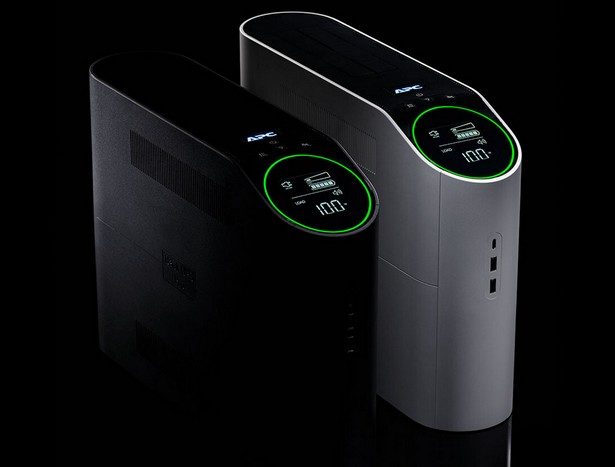
- Offline and Line-Interactive
Suitable for PCs and office equipment, they provide 10-15 minutes of operation for a proper shutdown. - Online Inverter
They constantly generate a pure sine wave, ideal for boilers, pumps, and sensitive electronics. They support external batteries and provide long battery life.
For heating, internet, and lighting during blackouts, a powerful inverter UPS with the ability to connect additional batteries is required.
5 UPS Models for the Home
LogicPower LPM‑PSW‑3000VA
This ~3000 VA UPS is suitable for protecting home appliances, computers, routers, and other equipment during power outages. It provides stable power and protection against power surges, which is critical for sensitive electronics. Its line-interactive topology helps smooth out power surges without frequently switching to battery power, extending battery life. This model has enough power to handle moderate loads and provide several minutes of runtime for safe device shutdown. It offers the perfect balance between price, reliability, and features for a home or small office.
EnerGenie 3000VA EG-HI-PS3000-02
The EnerGenie 3000 VA UPS is an affordable solution for users who need to protect their appliances. It can maintain equipment operation during short-term power outages, allowing time for proper shutdown. The device is equipped with overload and short-circuit protection, enhancing safety. The EnerGenie is suitable for systems with computers, routers, TVs, and other medium-duty household devices. It’s a good option for those looking for an affordable and functional UPS for their home.
Ritar PT-2KL-LCD 2000VA
The Ritar PT-2KL-LCD 2000VA UPS with 2000 VA power is a versatile option for homes, offices, or hobby spaces where electronics require protection. It features an informative LCD display that displays power status, battery charge level, and load. This model is suitable for powering PCs, network equipment, TVs, and other important devices during power outages. The line-interactive design smooths out fluctuations in power without frequently switching to battery power, reducing battery wear. With its user-friendly display and ample power, the Ritar easily integrates into your home energy system.
APC Smart-UPS 3000VA LCD SmartConnect
The APC Smart-UPS 3000VA LCD SmartConnect is an advanced model from a renowned manufacturer, designed for high-power home loads and power-sensitive equipment. It features an LCD display and SmartConnect support—cloud-based management and internet-based UPS status monitoring. This line-interactive model delivers pure sine wave output, essential for boilers, NAS systems, and servers. The APC Smart-UPS is known for its reliability and durability, but it comes at a higher price than entry-level models. This is an excellent choice if advanced functionality and remote system monitoring are important.
Powercom BNT-3000AP IEC USB
The Powercom BNT-3000AP UPS with 3000 VA capacity is a reliable solution for powering home appliances in unstable grid conditions. It is equipped with a USB port for connecting to a computer and monitoring its status via dedicated software. Line-interactive mode allows for quick response to power surges, protecting connected devices. Powercom offers a decent level of protection and sufficient power for the average home load. This model is suitable for those who want a simple yet functional UPS with USB monitoring capabilities.
How to Choose Solar Panels for Your Home

Types of Solar Panels
- Monocrystalline
Efficiency up to 22%, compact, operates efficiently in low light. The best choice for a private home. Glass-on-glass design is recommended for a longer service life. - Polycrystalline
Cheaper, but less efficient. - Thin-film (amorphous)
Flexible, but with the lowest efficiency.
Key Parameters of Solar Panels
- Power
Calculated in watts. Formula:
Panel power x sunshine hours / 1000 = kWh per day. - Efficiency
The higher the efficiency, the more energy from the same area, but the higher the cost. - Seasonality
In winter, production drops by 3-4 times, so the system is always designed with a reserve.
For a residential building, the average requirement is 10-15 kW, but in practice, it is recommended to install 15-20 kW. For example, when using 500 W panels, 30-40 panels are required.


Don't miss interesting news
Subscribe to our channels and read announcements of high-tech news, tes



Oppo A6 Pro smartphone review: ambitious

 0
0 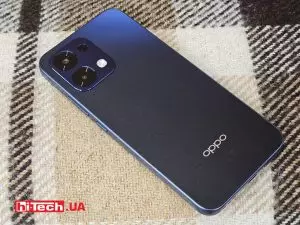
Creating new mid-range smartphones is no easy task. Manufacturers have to balance performance, camera capabilities, displays, and the overall cost impact of each component. How the new Oppo A6 Pro balances these factors is discussed in our review.
Logitech G G325 headphones review: reliable and long-lasting
0 
Logitech G has released a new gaming headset that offers good ergonomics, stable connectivity, and high battery life at a very affordable price. Let’s talk about the Logitech G G325 in more detail
LG Buds Plus xboom Buds Lite – the company’s new Bluetooth headphones Bluetooth earphones LG

LG xboom Buds Lite and xboom Buds Plus have joined the xboom Buds line and are aimed at different categories of users
In Kyivstar’s network, 40% of voice traffic comes from VoLTE and VoWiFi Kyivstar

High usage rates on Kyivstar’s network were recorded in Lviv and Kyiv. In Lviv, the share of voice traffic via VoLTE and VoWiFi reached 61%, while in the capital it was about 57%.