

Apple stops production of ultra-thin iPhone Air due to low popularity
24.10.25
In recent weeks, more and more data has confirmed that the ultra-thin iPhone Air has not met even the most modest expectations of Apple. Despite good sales in some countries, for example, in China, global interest in the model turned out to be much lower than predicted.
The authoritative publication Nikkei published an article that actually confirms the failure of the iPhone Air and, on the contrary, the success of the second models of the 2025 line.
Why is Apple stopping production of the ultra-thin iPhone Air?
According to industry sources, Apple is sharply reducing production of the iPhone Air, while simultaneously increasing the release of other models of the series. This decision is associated with low demand for the ultra-thin smartphone and high sales of the iPhone 17, iPhone 17 Pro and Pro Max.
According to the report, the pace of production of the iPhone Air has been reduced to practically zero, and the volume of orders for components in October was only 10% of the September level. At the same time, the company increased production of the base iPhone 17 by about 5 million units to meet growing demand.
Analysts believe that users have been less interested in the extreme thinness of the case than Apple expected. Buyers traditionally choose models with better cameras, battery and functionality, even if they are a little thicker.
Thus, the iPhone Air risks becoming one of the company’s most short-lived experiments, and Apple seems to be betting on the proven formula of the flagship iPhone 17.
Don't miss interesting news
Subscribe to our channels and read announcements of high-tech news, tes

Oppo A6 Pro smartphone review: ambitious

 0
0 
Creating new mid-range smartphones is no easy task. Manufacturers have to balance performance, camera capabilities, displays, and the overall cost impact of each component. How the new Oppo A6 Pro balances these factors is discussed in our review.
Oppo Reno16 Pro 5G smartphone review: well-heeled
0 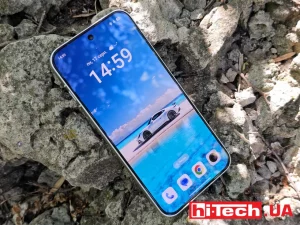
Oppo Reno16 Pro 5G looks like a balanced smartphone, in which the manufacturer tried not to make a single characteristic the defining one. It has many advantages. Let’s tell you what
Casio Edifice EFS-S660 Solar Chronographs Land in Europe for €199
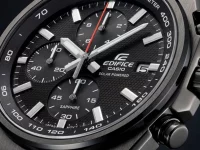
The line of steel Casio Edifice EFS-S660 chronographs is reaching European markets. Learn all about the specifications, model differences, and pricing of these new Tough Solar-powered watches.
OpenAI Adds Task Scheduling to Free ChatGPT

The scheduled tasks feature is now available to users of the free version of ChatGPT.