

Apple iPhone 14 and iPhone SE no longer sold in Europe because don’t have a USB Type-C port
31.12.24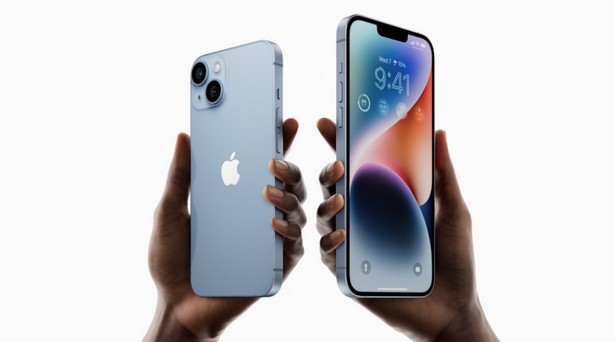
Apple has removed the iPhone 14, iPhone 14 Plus and iPhone SE 3 from its online store in most EU countries due to the entry into force of a new law on December 28 that requires smartphones to have a USB-C port.
The law applies to any devices put up for sale that do not support the USB-C standard for wired charging.
The ruling affected Northern Ireland, as it remains part of the EU single market, but does not apply to the UK.
Apple plans to introduce a fourth-generation iPhone SE with a USB-C port in March 2025, which will ensure the availability of a “budget” smartphone in the EU.
The aim of the new law is to reduce e-waste and reduce costs for consumers. The EU expects to save €250 million annually by eliminating the need to buy additional chargers and reducing the amount of e-waste by 11,000 tonnes per year. From 2026, the general charging rules will also apply to laptops.
Don't miss interesting news
Subscribe to our channels and read announcements of high-tech news, tes

Oppo A6 Pro smartphone review: ambitious

 0
0 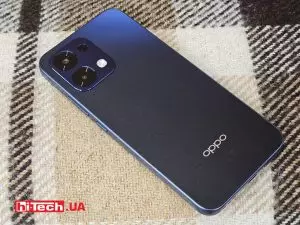
Creating new mid-range smartphones is no easy task. Manufacturers have to balance performance, camera capabilities, displays, and the overall cost impact of each component. How the new Oppo A6 Pro balances these factors is discussed in our review.
In-Ear headphones Active Noise Cancellation: how Oppo eliminate noise
0 
In-ear headphones remain one of the most popular form factors due to their lightweight design. However, this design is considered one of the most challenging to implement active noise cancellation (ANC). We’ll explain how Oppo solved this problem.
Alibaba Sells Lingxi Games to Fuel AI Ambitions

Alibaba sells its gaming studio Lingxi Games. The company is completely shifting its business focus, betting heavily on the development of AI.
Honor Turbo 5G Spotted on AliExpress Ahead of Official Launch
The Honor Turbo 5G smartphone has unexpectedly appeared on the AliExpress marketplace ahead of its official release. The new device boasts an impressive 8560mAh battery and advanced IP69K-rated protection.