

Xiaomi released a mini solar panel to power a street camera
21.06.24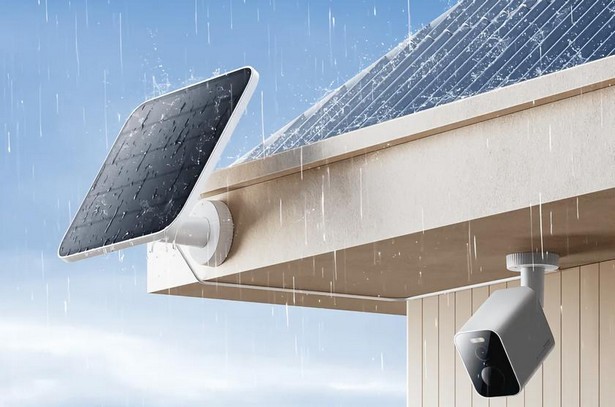
Xiaomi has introduced a new accessory for street surveillance cameras – a 5 W solar panel that allows you to power the camera even when the electricity is out. The panel is made of highly efficient monocrystalline silicon.
Xiaomi claims that 3 hours of direct sunlight per day is enough for the panel to work effectively. The device is protected against moisture and dust according to the IP66 standard, and is also equipped with a waterproof USB-C charging cable and a port with a soft rubber construction.
At the moment, the solar panel is only compatible with the Xiaomi BW500 camera, but the manufacturer plans to add support for other models in the future. The solar panel is available for purchase in China for $27.
Don't miss interesting news
Subscribe to our channels and read announcements of high-tech news, tes

Oppo A6 Pro smartphone review: ambitious

 0
0 
Creating new mid-range smartphones is no easy task. Manufacturers have to balance performance, camera capabilities, displays, and the overall cost impact of each component. How the new Oppo A6 Pro balances these factors is discussed in our review.
In-Ear headphones Active Noise Cancellation: how Oppo eliminate noise
0 
In-ear headphones remain one of the most popular form factors due to their lightweight design. However, this design is considered one of the most challenging to implement active noise cancellation (ANC). We’ll explain how Oppo solved this problem.
Apple Music to Introduce AI Music Labels

Apple Music will introduce special Made With AI labels for songs created with generative artificial intelligence by the end of 2026.
Windows 11 Update Breaks Games: The RGB Fix

The latest cumulative Windows 11 update has caused issues with game performance and stability. Microsoft confirmed the conflict is triggered by RGB peripheral software.