

Xiaomi launches Redmi Smart TV X 2025 smart TVs with 4K and HyperOS 2
28.11.24
Xiaomi has introduced an updated series of Redmi Smart TV X 2025 TVs, which includes models with diagonals of 55, 65, 75 and 85 inches. All devices are equipped with 4K screens with a refresh rate of 240 Hz, which makes them an ideal choice for gamers and lovers of high-quality content.
The TVs support dynamic contrast enhancement technologies and a wide color gamut, which provides rich and realistic colors. The Xiaomi HyperOS 2 operating system allows you to use intelligent functions such as voice control via Xiao Ai and personalized recommendations.
For games, the TVs offer FreeSync Premium support and an HDMI 2.1 interface, which ensures minimal lag and smooth gameplay. Inside, the MT9655 chip, 4 GB of RAM and 64 GB of storage are installed.
The starting price is 2,179 yuan (about $301) for the 55-inch model. Xiaomi is expected to introduce international versions of the devices soon.
Don't miss interesting news
Subscribe to our channels and read announcements of high-tech news, tes

Oppo A6 Pro smartphone review: ambitious

 0
0 
Creating new mid-range smartphones is no easy task. Manufacturers have to balance performance, camera capabilities, displays, and the overall cost impact of each component. How the new Oppo A6 Pro balances these factors is discussed in our review.
Oppo Reno 15 5G smartphone review: confident
0 
The Oppo Reno15 smartphone emphasizes design, a high-quality display, versatile cameras, and good battery life. Let’s take a closer look.
Asus ProArt GoPro Edition laptop for action camera fans has gone on sale in Ukraine action-camera Asus laptop
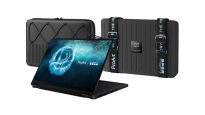
One of the key features of the Asus ProArt GoPro Edition is the proprietary StoryCube service – the first solution for Windows with support for GoPro cloud storage and 360-degree video.
Garmin has released a major update for 5 smartwatches Garmin smart watches update

Garmin has announced a major software update for several smartwatch models at once. The update has already started rolling out to the Garmin Venu X1, Garmin vívoactive 6, Garmin fēnix 8 Pro, Garmin Forerunner 570 and Garmin Forerunner 970.