

Toshiba C350NP 4K Smart TV with screens 43-75 inches have 4K resolution and Google TV
18.06.24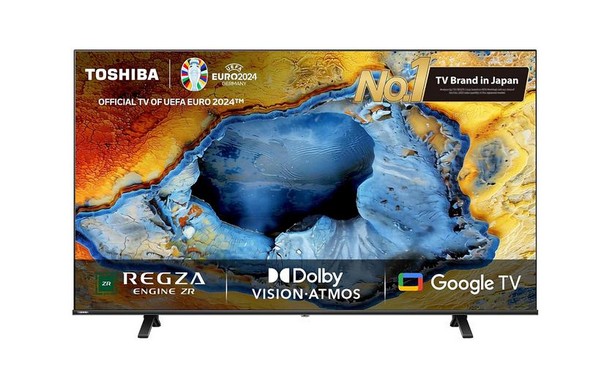
Toshiba has announced a new line of smart TVs called the Toshiba C350NP 4K Smart TV. The series includes four models with screen sizes of 43, 50, 55 and 75 inches. The new TVs are equipped with thin frames and the REGZA Engine ZR processor, which improves image quality. The screen resolution is 4K.
TVs support Auto Low Latency Mode (ALLM), Variable Refresh Rate (VRR) and Enhanced Audio Return Channel (e-ARC) technologies. The audio system of TVs varies depending on the model, providing a power of 24 W or 36 W. The TVs are equipped with Bluetooth 5.3, Dual-band Wi-Fi and several HDMI and USB ports. The Google TV interface is installed on the devices out of the box.
Toshiba C350NP 4K Smart TV models are now available for purchase starting at $325.
Don't miss interesting news
Subscribe to our channels and read announcements of high-tech news, tes

Oppo A6 Pro smartphone review: ambitious

 0
0 
Creating new mid-range smartphones is no easy task. Manufacturers have to balance performance, camera capabilities, displays, and the overall cost impact of each component. How the new Oppo A6 Pro balances these factors is discussed in our review.
Oppo Reno16 Pro 5G smartphone review: well-heeled
0 
Oppo Reno16 Pro 5G looks like a balanced smartphone, in which the manufacturer tried not to make a single characteristic the defining one. It has many advantages. Let’s tell you what
Framework Laptop 13 Pro Hits 27-Hour Battery Life, Outlasting MacBook Pro 14

Framework Laptop 13 Pro sets new endurance standards for compact laptops, surpassing the results of the Apple MacBook Pro 14 (2025) in battery tests. Learn about the engineering behind its 27.5-hour runtime and whether it is worth an upgrade.
GTA 6 Dominates Netflix: Game Presentation Outperforms Top Movies

The massive 27-minute GTA 6 presentation by Rockstar Games has become the most popular content on Netflix in 87 countries.