

The NVMe SSD WD_Black SN850X was released in an 8-terabyte version
19.07.24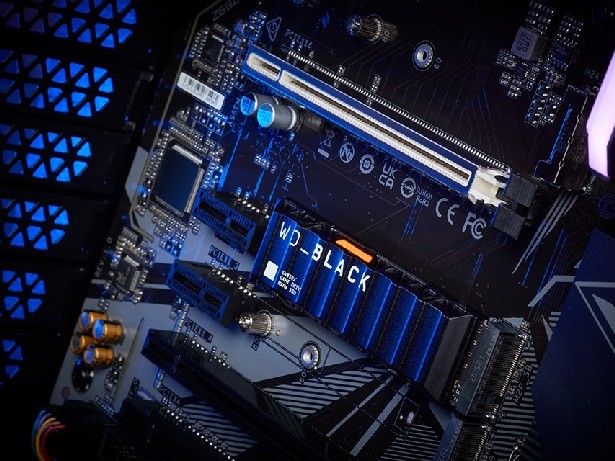
The Western Digital company decided to supplement the line of solid-state drives WD_Black SN850X with a top 8-terabyte model. First of all, this series was represented by devices of the M.2 2280 format with a capacity of 1, 2 and 4 TB. All SSDs use the PCI Express 4.0 x4 interface.
At the heart of the 8-terabyte WD_Black SN850X is a controller developed by Western Digital with an external DDR4 buffer and 112-layer 3D NAND TLC memory chips. For the novelty, the manufacturer claims sequential read speeds of up to 7200 MB/s and write speeds of up to 6600 MB/s, as well as a maximum speed of about 1.2 million IOPS. As for the resource, the TBW indicator of the new products is 4800 TB.
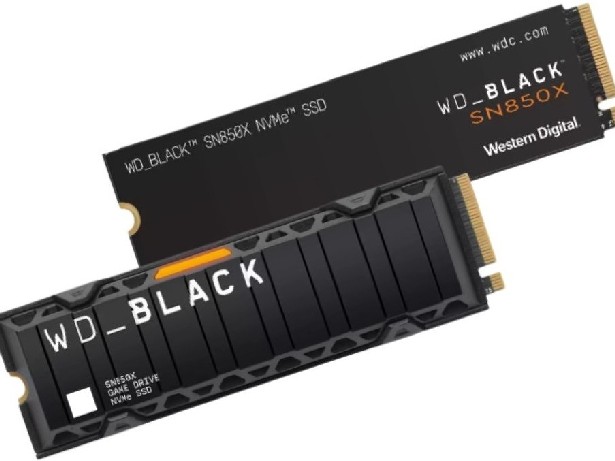
In foreign stores, the WD_Black SN850X NVMe drive with a capacity of 8 TB can be purchased at a recommended price of $850 for the bare version and $900 for the version with a radiator. The device is accompanied by a five-year manufacturer’s warranty.
Don't miss interesting news
Subscribe to our channels and read announcements of high-tech news, tes

Oppo A6 Pro smartphone review: ambitious

 0
0 
Creating new mid-range smartphones is no easy task. Manufacturers have to balance performance, camera capabilities, displays, and the overall cost impact of each component. How the new Oppo A6 Pro balances these factors is discussed in our review.
In-Ear headphones Active Noise Cancellation: how Oppo eliminate noise
0 
In-ear headphones remain one of the most popular form factors due to their lightweight design. However, this design is considered one of the most challenging to implement active noise cancellation (ANC). We’ll explain how Oppo solved this problem.
Apple Dominates Premium Smartphone Market With 65% Share

Apple continues to dominate the global premium smartphone market. In the first half of 2026, the company controlled 65% of the device segment.
Bots are taking over the internet: Cloudflare records historic breach

According to the Cloudflare CFO, bot traffic is set to grow 1,000 times larger than human-generated traffic over the next five years.