

Study: Gaming mice with optical sensors allow eavesdropping on conversations
11.10.25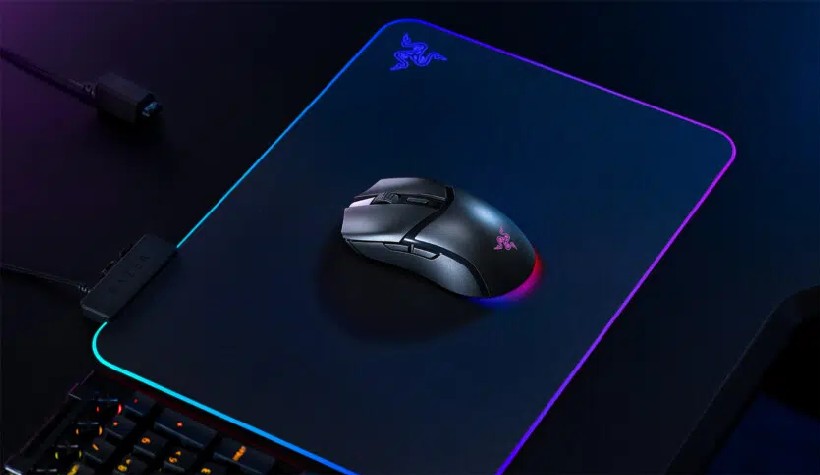
Researchers at the University of California, Irvine (UCI) have found that high-precision optical computer mice, including gaming models with 20,000 dpi resolution and high polling rates, can be used to listen in on conversations.
The technology described in the study, called Mic-E-Mouse, converts microscopic vibrations of the table surface caused by voice into acoustic signals that can then be reconstructed into speech.
How it works
The listening process is based on capturing the “raw” movement data from the mouse and then extracting the vibrations associated with speech. A Wiener filter is then applied to remove noise and frequencies characteristic of the human voice. A neural network then reconstructs the sound wave.
In experiments, speech recognition accuracy ranged from 42% to 61%—not perfect, but enough to make conversation partially intelligible. The method doesn’t require sophisticated malware: any program that can access data from a high-quality mouse can do the trick. The resulting data can be sent to a remote server and analyzed.
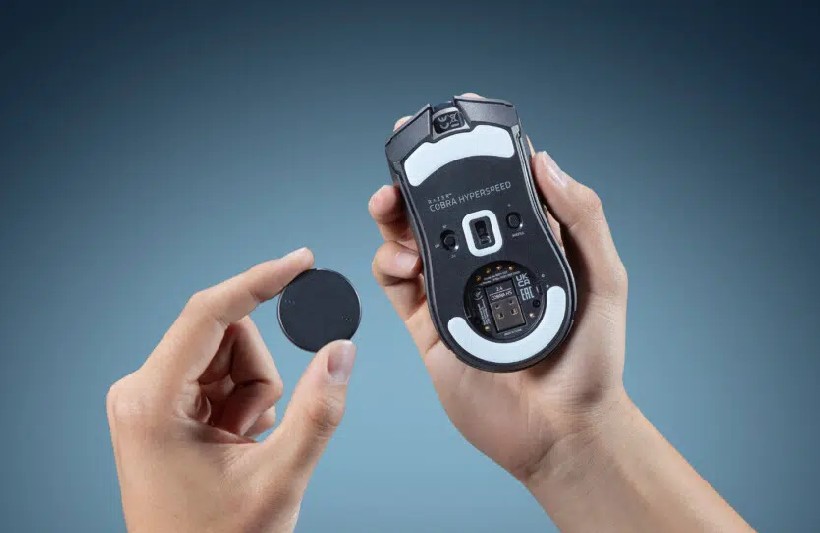
A particular vulnerability is created by the fact that neither Windows, macOS, nor Linux controls access to mouse data, unlike keyboards, where such requests can be blocked as keylogging.
The discovery highlights a new level of privacy risks in the era of ubiquitous sensors. Even common devices — like gaming mice — can become tools for digital espionage, especially when combined with the capabilities of generative AI and modern signal analysis.
While Mic-E-Mouse remains a research project that requires specific conditions and a compromised system, the scientists warn that the technology shows how easily everyday gadgets can be used for surveillance.
The authors call for a broader discussion of acoustic privacy threats, although no specific recommendations (such as restrictions on access to mouse data) have been proposed yet.
Don't miss interesting news
Subscribe to our channels and read announcements of high-tech news, tes

Oppo A6 Pro smartphone review: ambitious

 0
0 
Creating new mid-range smartphones is no easy task. Manufacturers have to balance performance, camera capabilities, displays, and the overall cost impact of each component. How the new Oppo A6 Pro balances these factors is discussed in our review.
Oppo Reno16 Pro 5G smartphone review: well-heeled
0 
Oppo Reno16 Pro 5G looks like a balanced smartphone, in which the manufacturer tried not to make a single characteristic the defining one. It has many advantages. Let’s tell you what
Honor Play20A: An unusual budget phone with an additional screen

The Honor Play20A arrives with a unique rear secondary display for its budget class and an impressive 6,000 mAh battery.
Triple-powered performance didn’t help: Google Pixel 11 Pro Fold failed a crash test.

The Pixel 11 Pro Fold failed its extreme bend test, snapping at two points near the hinge.