

Sony will no longer produce Xperia smartphones
03.06.25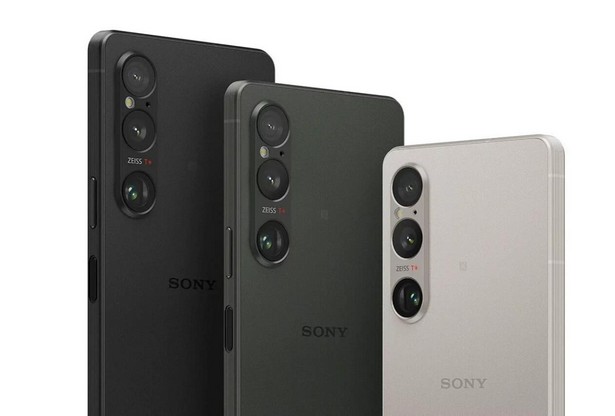
Sony is changing its strategy in the mobile segment: according to Japanese media reports, the company has begun outsourcing the production of its flagship smartphones to third-party contractors. Previously, this approach was used only for mid-budget models.
According to the source, this is not a temporary measure, but part of a long-term plan. At Sony’s production sites in Thailand, where smartphones were previously assembled, the mobile direction is no longer mentioned. Recall that the company had three key locations for the production of phones – two in Thailand and one in China. Currently, none of them is considered an active production center for smartphones.
The first model assembled by a third-party manufacturer was probably the recently introduced Xperia 1 VII. Despite the change in the assembly scheme, the quality of the device remained at the level of previous Sony flagships – this was noted by observers.
It is expected that such a move will allow the company to reduce costs and increase production flexibility. However, this could also indicate a decrease in the priority of mobile in Sony’s strategy, given its limited commercial success in recent years.
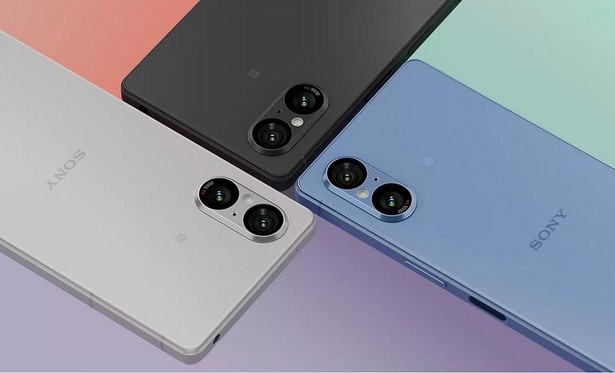
Sony Semiconductor Solutions has introduced a new 50-megapixel CMOS sensor for smartphones under the LYTIA brand, called the LYT-818. This sensor is equipped with a 1/1.28-inch sensor and features advanced noise reduction technologies and a wide dynamic range.
One of the key features of the sensor is the Ultra High Gain (UHCG) circuit, which allows you to take clearer photos in low light, reducing the noise level to 0.95 e – a record among Sony mobile sensors.
HDR technology in the LYT-818 helps capture details in bright and dark areas of the frame. The sensor takes a single shot with three different settings, allowing you to balance the light and shadows in the image. The sensor also features reduced power consumption, allowing HDR to work continuously in real time, for example, when viewing photos on a smartphone screen.
Additional features of the sensor include a 1.22 μm pixel size, Quad Bayer Coding color filter, and support for 4K video recording at up to 120 frames per second. The LYT-818 supports analog, digital, and MIPI interfaces.
The LYT-818 will begin mass production in September 2024, and the first smartphone to feature this sensor is rumored to be the vivo X200 Pro.
Don't miss interesting news
Subscribe to our channels and read announcements of high-tech news, tes

Oppo A6 Pro smartphone review: ambitious

 0
0 
Creating new mid-range smartphones is no easy task. Manufacturers have to balance performance, camera capabilities, displays, and the overall cost impact of each component. How the new Oppo A6 Pro balances these factors is discussed in our review.
In-Ear headphones Active Noise Cancellation: how Oppo eliminate noise
0 
In-ear headphones remain one of the most popular form factors due to their lightweight design. However, this design is considered one of the most challenging to implement active noise cancellation (ANC). We’ll explain how Oppo solved this problem.
Apple Music to Introduce AI Music Labels

Apple Music will introduce special Made With AI labels for songs created with generative artificial intelligence by the end of 2026.
Windows 11 Update Breaks Games: The RGB Fix

The latest cumulative Windows 11 update has caused issues with game performance and stability. Microsoft confirmed the conflict is triggered by RGB peripheral software.