

PC sales increased by 10%, despite a shortage of components
20.01.26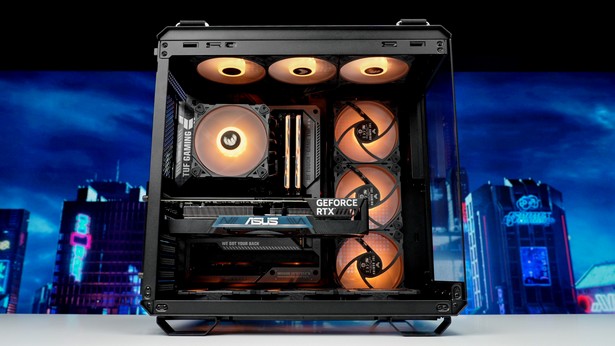
The PC industry ended 2025 on a positive note, with shipments growing 9.6% year-on-year in the fourth quarter to 76.4 million units. Annual PC shipments rose 8.1% year-on-year. The global memory shortage continues to plague the industry.
According to International Data Corporation, while the holiday season traditionally drives increased demand, sales at the end of last year were further boosted by a memory shortage that prompted some consumers to buy now amid expectations of further price increases. Lenovo led the market for the quarter with shipments of 19.3 million PCs and a 25.3% share. HP came in second with 15.4 million PCs, or 20.1% of the market. Dell came in third with 11.7 million units in the fourth quarter and a 15.4% share. Apple took 9.3% of the market, shipping 7.1 million computers, while Asus rounded out the top five with 5.4 million systems, accounting for 7.1% of the market.
Commenting on the current memory shortage, IDC research manager Jitesh Ubriani said the situation is affecting the entire industry and is likely to change the market dynamics over the next two years. Similar to the smartphone, new PCs with less memory than usual may soon appear as a way for manufacturers to deal with inventory issues. Ubriani added that large consumer electronics brands are in a better position to survive this period, while some smaller companies may not. For consumers, especially DIY enthusiasts, the shortage could force many to postpone purchases or even redirect spending to other hobbies and interests.
Global PC shipments up 9.6% in Q4 2025, memory prices up significantly
More broadly, companies shipped a combined 284.7 million PCs in 2025. The top five vendors for the year are the same as in Q4 – Lenovo, HP, Dell, Apple and Asus in the same order. Compared to 2024, vendors shipped 21.4 million more PCs, up 8.1% year-over-year. Looking ahead to 2026, IDC expects total PC shipments to decline slightly, but the overall market value will grow due to higher average selling prices driven by higher memory prices.
As a result, memory shortages are already moving from a temporary factor to a structural risk for the PC market: manufacturers are adjusting, reviewing pricing and supply planning, and buyers are increasingly faced with a choice between higher price and more modest specifications. It is these decisions that will determine not only sales volumes in 2026, but also the real balance of power between big brands and smaller market players.
Don't miss interesting news
Subscribe to our channels and read announcements of high-tech news, tes

Oppo A6 Pro smartphone review: ambitious

 0
0 
Creating new mid-range smartphones is no easy task. Manufacturers have to balance performance, camera capabilities, displays, and the overall cost impact of each component. How the new Oppo A6 Pro balances these factors is discussed in our review.
In-Ear headphones Active Noise Cancellation: how Oppo eliminate noise
0 
In-ear headphones remain one of the most popular form factors due to their lightweight design. However, this design is considered one of the most challenging to implement active noise cancellation (ANC). We’ll explain how Oppo solved this problem.
Windows 11 Update Breaks Games: The RGB Fix

The latest cumulative Windows 11 update has caused issues with game performance and stability. Microsoft confirmed the conflict is triggered by RGB peripheral software.
Asus Challenges MacBook Pro With Powerful ProArt Creation 16
Asus has introduced a new version of its ProArt Creation 16 laptop for professionals. The device is equipped with an AMD Ryzen AI 9 processor, 64GB of RAM, and a high-quality 120Hz OLED screen.