

NVIDIA introduced the new SFF-Ready standard for video cards and computer cases
06.06.24
NVIDIA’s presentation at Computex announced the launch of the Project G-Assist AI assistant and the SFF-Ready Enthusiast GeForce initiative. Project G-Assist is designed to improve the user experience by providing intelligent support in games and other applications.
The SFF-Ready Enthusiast GeForce initiative is aimed at simplifying the choice of components for gaming computers. It includes a set of recommendations for manufacturers of video cards and computer cases regarding the dimensions of 3D accelerators. This innovation should make the choice of video cards and cases for small form factor (Small Form Factor, SFF) systems less complicated.
To receive the SFF-Ready mark, a video card of the GeForce RTX 4070 (Ti/Super) class or more powerful must have dimensions no larger than 304x151x50 mm. This standard is designed for PC enthusiasts and requires the use of GeForce RTX 4070 or more powerful video cards. As a result, there are no GeForce RTX 4060 (Ti) video cards in the list of certified models, as Nvidia believes that enthusiasts should only be interested in more powerful solutions.

Don't miss interesting news
Subscribe to our channels and read announcements of high-tech news, tes

Oppo A6 Pro smartphone review: ambitious

 0
0 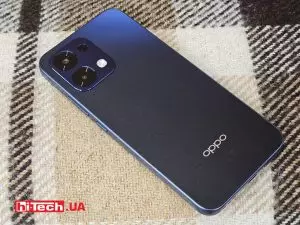
Creating new mid-range smartphones is no easy task. Manufacturers have to balance performance, camera capabilities, displays, and the overall cost impact of each component. How the new Oppo A6 Pro balances these factors is discussed in our review.
Logitech G G325 headphones review: reliable and long-lasting
0 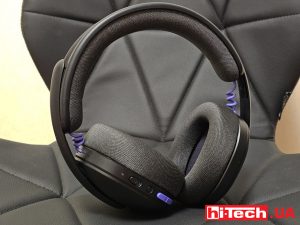
Logitech G has released a new gaming headset that offers good ergonomics, stable connectivity, and high battery life at a very affordable price. Let’s talk about the Logitech G G325 in more detail
Norwegian electronics store will give GTA 6 to those who give birth on the day the game is released games GTA

Norwegian electronics retailer Komplett has announced an unusual promotion dedicated to the release of Grand Theft Auto VI. The company has promised to give a free copy of the game to all families whose children are born on the official release date – November 19, 2026.
The most affordable lifecell tariff can be transferred from other operators for free events in Ukraine lifecell rates

Ukrainian mobile operator lifecell has extended the “Care” tariff to subscribers who have used the number portability (MNP) service from other networks