

Neuralink successfully implanted chip into human brain for the third time
30.04.25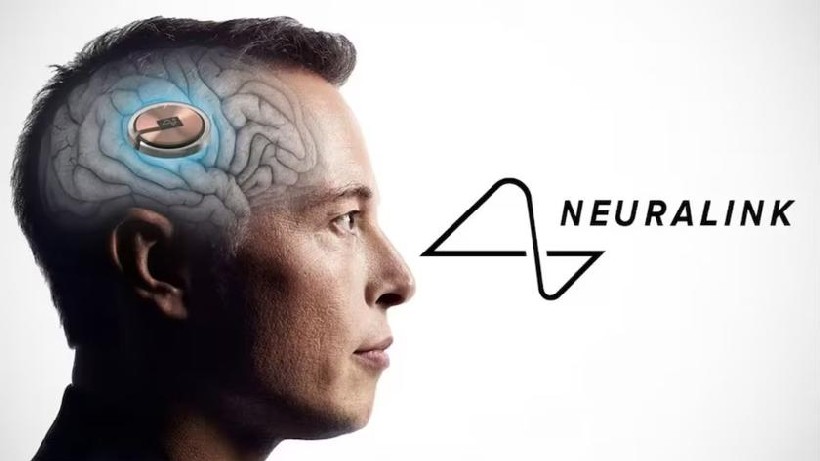
Neuralink startup, founded by Elon Musk, has performed its third successful operation to implant a neurochip into a human brain. This time, the patient was Bradford Smith, who suffers from amyotrophic lateral sclerosis, a severe progressive disease of the central nervous system. He became the third person in the world to be implanted with a Neuralink chip, and the first among those who have completely lost the ability to verbally communicate.
With the help of an implanted device that records neural signals and converts them into commands for controlling external devices, Smith was able to interact with a computer using the power of thought. Now he can communicate with other users, inviting everyone to a dialogue on the X platform. Bradford promised to answer questions as much as his condition allows.
It is separately noted that previously the most famous person with such a diagnosis was astrophysicist Stephen Hawking. At one time, he used other technologies – controlling the computer with his gaze and the movements of one finger, since neural interfaces were not yet available at that time.
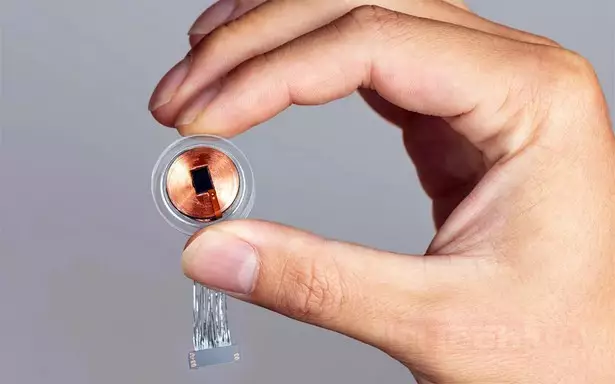
Elon Musk has unveiled the Neuralink Blindsight project, which promises to revolutionize ophthalmology and restore vision to blind people, including those who have been blind since birth. The technology being developed by Neuralink involves implanting an implant into the cerebral cortex, bypassing the damaged visual organs and directly stimulating the areas responsible for processing visual signals.
In its initial stages, the technology will be able to provide images with a resolution comparable to the 8-bit graphics of old consoles such as the Atari. This limited image quality will be enough to help users navigate in space and recognize simple objects and shapes. Musk, however, is confident that in the future Blindsight will be able to not only restore human vision, but also surpass it, providing the ability to see in the infrared, ultraviolet and even radio ranges.
The project has already received FDA approval (the US Food and Drug Administration), which has granted it “breakthrough device” status, allowing it to begin testing on volunteers.
Don't miss interesting news
Subscribe to our channels and read announcements of high-tech news, tes

Oppo A6 Pro smartphone review: ambitious

 0
0 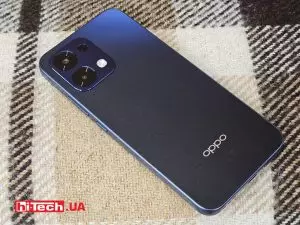
Creating new mid-range smartphones is no easy task. Manufacturers have to balance performance, camera capabilities, displays, and the overall cost impact of each component. How the new Oppo A6 Pro balances these factors is discussed in our review.
In-Ear headphones Active Noise Cancellation: how Oppo eliminate noise
0 
In-ear headphones remain one of the most popular form factors due to their lightweight design. However, this design is considered one of the most challenging to implement active noise cancellation (ANC). We’ll explain how Oppo solved this problem.
OnePlus Exits European Market With Free 50W AIRVOOC Giveaway
OnePlus has launched a farewell campaign in Europe, offering free 50W AIRVOOC wireless chargers to 5,600 users as the brand pulls back from the region.
Anthropic Embeds Invisible Watermarks into Claude Text

Anthropic has introduced invisible watermarking technology for text responses generated by the Claude model. This solution aims to identify AI-generated content in accordance with new European Union regulations.