

Meta will close WhatsApp application for Windows
24.07.25
Meta has changed its strategy for developing WhatsApp on Windows: the company is abandoning a native application in favor of a web wrapper.
The latest test build of WhatsApp for Windows has implemented a transition to Microsoft’s Edge WebView2 technology. Instead of a separate native client, a web interface built into the application is now used. This solution simplifies support and speeds up development due to a single code base, but it also has disadvantages – increased RAM consumption and a less “native” appearance under Windows 11.
The updated beta version includes support for WhatsApp channels, improved statuses and extensions for communities. At the same time, the interface has become simpler, and the settings are less flexible.
Many users have expressed dissatisfaction with this step, especially considering that Meta previously promoted the advantages of native solutions: higher performance, stability and the ability to work without connecting to a smartphone. Recall that the native WhatsApp application for Windows has existed for only a few years.
Don't miss interesting news
Subscribe to our channels and read announcements of high-tech news, tes

Oppo A6 Pro smartphone review: ambitious

 0
0 
Creating new mid-range smartphones is no easy task. Manufacturers have to balance performance, camera capabilities, displays, and the overall cost impact of each component. How the new Oppo A6 Pro balances these factors is discussed in our review.
Oppo Reno16 Pro 5G smartphone review: well-heeled
0 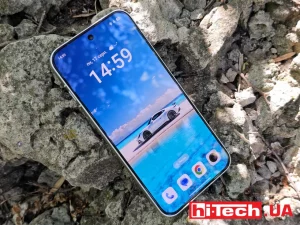
Oppo Reno16 Pro 5G looks like a balanced smartphone, in which the manufacturer tried not to make a single characteristic the defining one. It has many advantages. Let’s tell you what
Squadron 42 Delayed to 2027 to Avoid GTA 6 Clash

Cloud Imperium Games has pushed the release of Squadron 42 to the second quarter of 2027 due to the launch of GTA 6.
Mouse DAIV CX-A9A60 Mini PC: Ryzen AI Max+ Power at a Premium Price
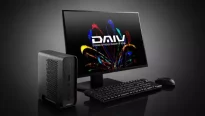
Mouse has unveiled the high-performance DAIV CX-A9A60 mini PC, powered by the Ryzen AI Max+ 395, 128GB of RAM, and a 2TB SSD.