

Marshall Minor IV TWS headphones with IPX4 protection and battery life of more than 30 hours cost $129
24.04.24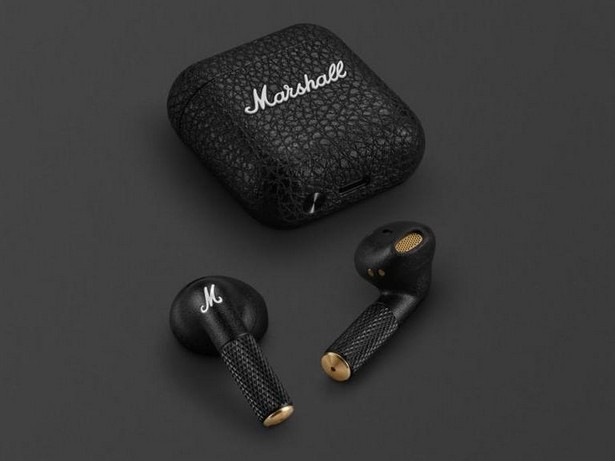
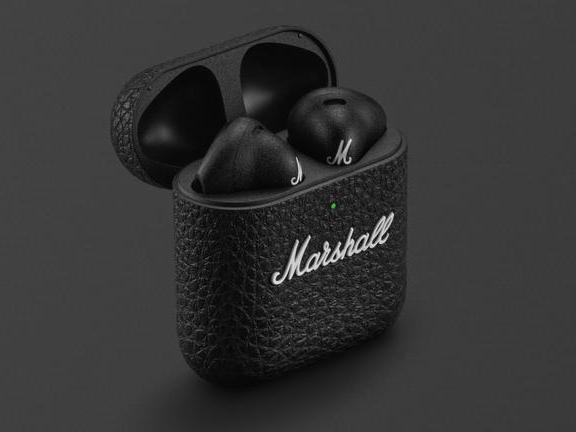
Except Major V, Marshall introduced another new product – Minor IV TWS headphones. This model has IPX4 water and sweat protection, an LED charging indicator and 12 mm drivers. Control is carried out through a proprietary application on a smartphone.
It’s quite strange that the company chose the in-ear headphones format, because they have worse sound insulation and you won’t be able to get all the advantages of driver settings. An in-ear design would be more promising.
Minor IV can work up to 7 hours on a single charge, and the charging case extends battery life to 30+ hours. The gadget can be charged via the USB-C port or using Qi wireless technology.
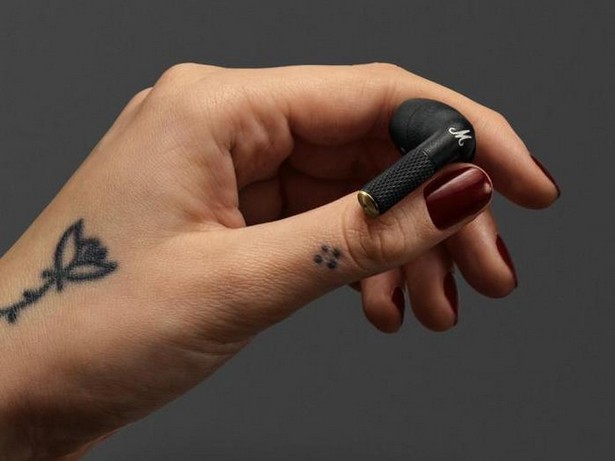
The Marshall Minor IV headphones are available for purchase now on the Marshall website for $129. They are presented in classic black color.
Don't miss interesting news
Subscribe to our channels and read announcements of high-tech news, tes

Oppo A6 Pro smartphone review: ambitious

 0
0 
Creating new mid-range smartphones is no easy task. Manufacturers have to balance performance, camera capabilities, displays, and the overall cost impact of each component. How the new Oppo A6 Pro balances these factors is discussed in our review.
Acer Nitro Lite 16 (NL16-71G) laptop review: versatile and attractive
0 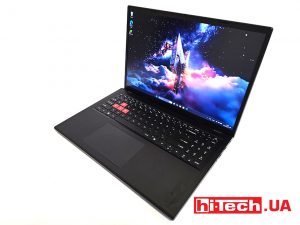
The 2025 Acer Nitro Lite 16 features an interesting case design, gaming accents, and proven components. Let’s take a closer look at its features.
Nothing Phone (4a) and Nothing Phone (4a) Pro smartphones introduced. Details smartphone world events
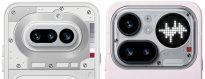
Nothing has introduced two new mid-range smartphones – Nothing Phone (4a) and Nothing Phone (4a) Pro.
Xiaomi Vision Gran Turismo supercar concept shown at MWC 2026 car concept MWC Xiaomi

Xiaomi Vision Gran Turismo supercar concept is built on a platform with 900V architecture based on silicon carbide (SiC)