

Google is merging Android and ChromeOS operating systems
17.07.25
Google has for the first time openly announced its intention to merge its two operating systems – Android and ChromeOS. The confirmation came from the president of the Android ecosystem, Samir Samat, in an interview with TechRadar.
During a conversation about the user experience with Apple technology, Samat noted that the company “is going to combine ChromeOS and Android into a single platform” and is currently studying how people use laptops. Then the interview switched to other topics: Android 16, Gemini II model and smart glasses, so there were no clarifications about the future of the OS. The timing, technical architecture and degree of backward compatibility remain unknown.
The industry has been discussing the possible convergence of the two systems for several years. Google has already tested Android desktop mode, promoted Chromebooks on ARM processors and adapted mobile applications for large screens. The new move is apparently aimed at improving the performance of Android applications in windowed mode, expanding peripheral support, and creating a more cohesive ecosystem for smartphones, tablets, and laptops.
The main open question is the future of current Chromebooks. It is unclear what the transition process will be like for users, whether the ten-year support for updates characteristic of ChromeOS will be preserved, and how possible changes will affect the corporate sector, primarily schools, where Chromebooks are especially widespread.
Given the growing interest in ARM laptops, the updated Pixel line, and Google’s emphasis on AI, an attempt to restart the mobile platform seems logical. ChromeOS is still limited in working with applications, and Android is not always comfortable on large displays. Combining the two branches could partially solve both problems, although there are no specific details yet – so you should not expect major changes in the near future.
Don't miss interesting news
Subscribe to our channels and read announcements of high-tech news, tes

Oppo A6 Pro smartphone review: ambitious

 0
0 
Creating new mid-range smartphones is no easy task. Manufacturers have to balance performance, camera capabilities, displays, and the overall cost impact of each component. How the new Oppo A6 Pro balances these factors is discussed in our review.
Oppo Reno16 Pro 5G smartphone review: well-heeled
0 
Oppo Reno16 Pro 5G looks like a balanced smartphone, in which the manufacturer tried not to make a single characteristic the defining one. It has many advantages. Let’s tell you what
Squadron 42 Delayed to 2027 to Avoid GTA 6 Clash

Cloud Imperium Games has pushed the release of Squadron 42 to the second quarter of 2027 due to the launch of GTA 6.
Mouse DAIV CX-A9A60 Mini PC: Ryzen AI Max+ Power at a Premium Price
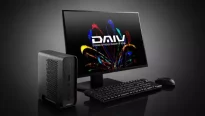
Mouse has unveiled the high-performance DAIV CX-A9A60 mini PC, powered by the Ryzen AI Max+ 395, 128GB of RAM, and a 2TB SSD.