

G.Skill Ripjaws M5 RGB DDR5 – RAM with frequencies from 5200 to 6400 MHz
21.05.24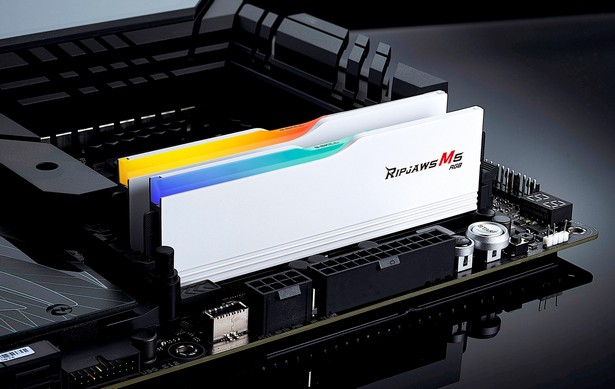
The G.Skill RAM range has been expanded with a new line of Ripjaws M5 RGB DDR5 standard. It includes sets of two modules with an effective frequency from 5200 to 6400 MHz. The new modules are equipped with an aluminum heat spreader in black or white and have RGB LED backlighting.
The top model in the line was a set of two 48 GB DDR5-6400 modules with a delay formula of CL32-39-39-102. All specifications of other G.Skill Ripjaws M5 RGB DDR5 RAM kits are presented in the table below. Other features include support for Intel XMP 3.0 overclocking profiles and a module height of 41 mm.
The new line of G.Skill Ripjaws M5 RGB DDR5 RAM will go on sale before the end of this month. Recommended prices will be announced closer to release.
Don't miss interesting news
Subscribe to our channels and read announcements of high-tech news, tes

Oppo A6 Pro smartphone review: ambitious

 0
0 
Creating new mid-range smartphones is no easy task. Manufacturers have to balance performance, camera capabilities, displays, and the overall cost impact of each component. How the new Oppo A6 Pro balances these factors is discussed in our review.
Acer Nitro Lite 16 (NL16-71G) laptop review: versatile and attractive
0 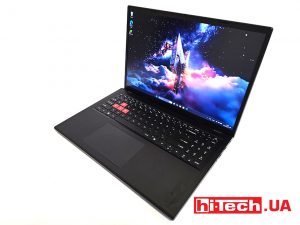
The 2025 Acer Nitro Lite 16 features an interesting case design, gaming accents, and proven components. Let’s take a closer look at its features.
Nothing Phone (4a) and Nothing Phone (4a) Pro smartphones introduced. Details smartphone world events
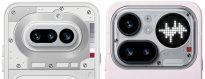
Nothing has introduced two new mid-range smartphones – Nothing Phone (4a) and Nothing Phone (4a) Pro.
Xiaomi Vision Gran Turismo supercar concept shown at MWC 2026 car concept MWC Xiaomi

Xiaomi Vision Gran Turismo supercar concept is built on a platform with 900V architecture based on silicon carbide (SiC)