

Facebook does use user photos to train AI
16.09.24
Meta, formerly known as Facebook, has admitted to using public photos and user posts to train its AI models.
The statement was made by Melinda Claybo, the company’s global privacy director, during an inquiry by the Australian Senate. Claybo confirmed that Meta has been collecting user data since 2007, unless the posts were private.
This recognition raised serious concerns about data privacy, especially in the context of underage users. Claybo stressed that accounts of people under the age of 18 are not scanned, but public photos of children posted by their parents can be used to train AI.
In the European Union, users can opt out of having their data used for AI training, while Australian users cannot. This discrepancy has raised questions about how well Meta is prepared to protect the privacy of its users around the world.
Don't miss interesting news
Subscribe to our channels and read announcements of high-tech news, tes

Oppo A6 Pro smartphone review: ambitious

 0
0 
Creating new mid-range smartphones is no easy task. Manufacturers have to balance performance, camera capabilities, displays, and the overall cost impact of each component. How the new Oppo A6 Pro balances these factors is discussed in our review.
Oppo Reno16 Pro 5G smartphone review: well-heeled
0 
Oppo Reno16 Pro 5G looks like a balanced smartphone, in which the manufacturer tried not to make a single characteristic the defining one. It has many advantages. Let’s tell you what
AI Boom Fuels Success for Furniture Hardware Maker King Slide

The global AI race has driven success for an unlikely company — Taiwanese hardware manufacturer King Slide Works. The brand’s specialized server rails have become indispensable for data center infrastructure, making its founder one of the richest people in Taiwan.
BYD Da Han Debuts With 9-Minute Charge and 1,000 km Range
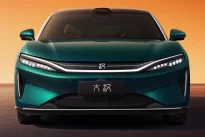
The Chinese automotive giant BYD has unveiled its full-size electric sedan, the Da Han. The new model stands out with its incredible charging speed and impressive range, positioning itself as a direct rival to German premium vehicles.