

EU will not ban internal combustion engine cars after 2035
18.12.25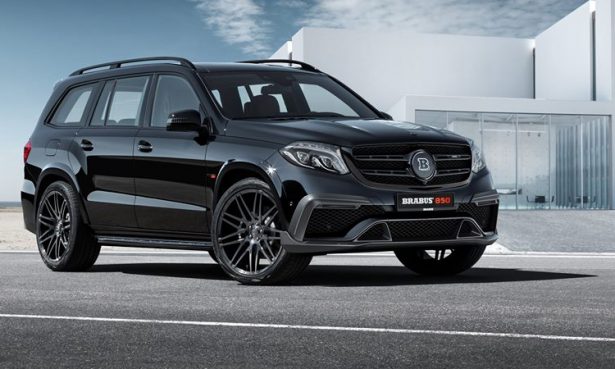
The European Union has revised its approach to regulating the sale of cars with internal combustion engines and abandoned the idea of a complete ban on such cars from 2035. Under the updated proposals, cars with internal combustion engines and hybrid models will be able to remain on the market after that date if they meet new, less stringent emissions requirements.
The decision was made after active pressure from EU governments and major car companies, including Volkswagen, Renault, Mercedes-Benz, BMW and Stellantis. The European Commission explained that instead of zero emissions, it is now proposing to reduce CO₂ emissions by 90% compared to 2021 levels. This practically cancels the mandatory transition to electric cars only.
Car manufacturers are offered to compensate for the remaining 10% of the emissions reduction by using biofuels, synthetic fuels and low-carbon steel made in Europe. Companies that will use green steel will be able to count on additional environmental credits, and compact electric cars of a new class will receive so-called super credits to offset the standards.
At the same time, a system of fines remains in place for failure to meet emission targets, which can reach billions of dollars. The final date for the complete abandonment of cars with internal combustion engines is not specified in the documents, which formally allows them to be sold in a more distant future. A special emphasis is placed on corporate fleets: EU countries must determine the share of electric cars in new registrations of company transport of large companies by 2030, but specific parameters are not yet being discussed.
The head of the European Commission, Ursula von der Leyen, stated that Europe intends to maintain its leading position in the global transition to clean technologies. In turn, European Commission Vice-President for Industrial Strategy Stephane Séjournais described the changes as a necessary measure to support the European automotive industry.
Don't miss interesting news
Subscribe to our channels and read announcements of high-tech news, tes

Oppo A6 Pro smartphone review: ambitious

 0
0 
Creating new mid-range smartphones is no easy task. Manufacturers have to balance performance, camera capabilities, displays, and the overall cost impact of each component. How the new Oppo A6 Pro balances these factors is discussed in our review.
Oppo Reno16 Pro 5G smartphone review: well-heeled
0 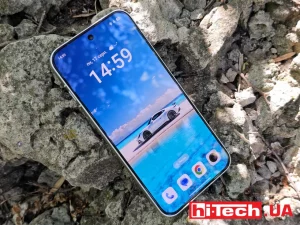
Oppo Reno16 Pro 5G looks like a balanced smartphone, in which the manufacturer tried not to make a single characteristic the defining one. It has many advantages. Let’s tell you what
#PSBlackout Campaign Gains Momentum as Players Demand Physical Media Rights

The Does It Play? community has launched the #PSBlackout campaign against Sony’s policies regarding physical games.
Nokia 300 Charge Packs Massive Battery and Reverse Charging Button

HMD Global has released the Nokia 300 Charge, a feature phone equipped with a powerful 3700 mAh battery and reverse charging functionality. This device offers unique features for the handset segment but comes with significant connectivity limitations.