

Data centers will take up 70% of memory in 2026. Cars and electronics will suffer
23.01.26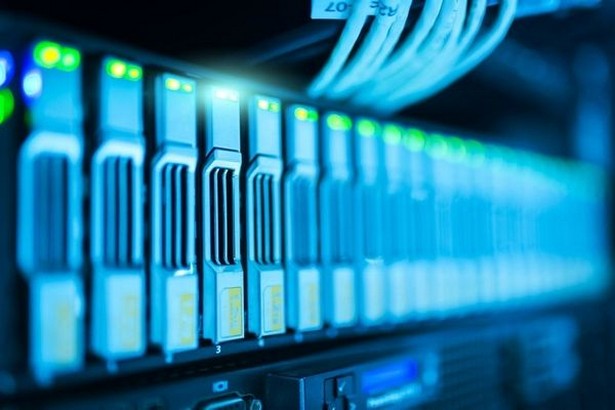
Technology publications have been warning for several months about the growing shortage of RAM, SSDs and hard drives. The main driver of the problem has been the explosive growth in demand from artificial intelligence systems. According to a new report, by 2026, data centers will consume up to 70% of all memory produced in the world. The situation is developing rapidly, and, as The Wall Street Journal notes, the consequences of this shortage will go far beyond the IT industry.
A blow to the auto industry and consumer electronics
The WSJ warns that the exponential growth in demand for memory will almost inevitably hit the automotive industry, the TV market and consumer electronics. The publication compares what is happening in the auto industry to the production delays during the Covid-19 pandemic – an experience that the industry still remembers well.
Although cars and most household appliances use relatively old types of memory, RAM manufacturers have already reduced or completely stopped production of outdated chips. Counterpoint Research analyst MS Hwang describes the situation extremely harshly: “you need to buy a plane ticket and beat out quotas from manufacturers now.” According to him, production capacity for 2028 is already sold out, let alone this year.
Memory is getting more expensive – technology is following
RAM is used in almost all devices today. Because of this, even TVs, Bluetooth speakers, set-top boxes, “smart” refrigerators and other equipment can become significantly more expensive. The margin in these segments is minimal, so a sharp increase in the price of one key component means either losses for manufacturers or a transfer of costs to buyers – provided that the memory can be purchased at all.
A long-term problem
Unlike the usual cyclical fluctuations in component prices, the current crisis does not seem temporary. According to Hwang’s forecast, RAM can account for up to 10% of the cost of most electronic devices and up to 30% of the cost of smartphones.
IDC has already revised its forecast for 2026: smartphone sales may decrease by 5%, and PCs by 9%. The company calls the current situation a “permanent reallocation” of production capacity in favor of AI data centers. TrendForce analyst Avril Wu agrees, emphasizing that the market is entering a phase of structural change, not a short-term crisis.
Don't miss interesting news
Subscribe to our channels and read announcements of high-tech news, tes

Oppo A6 Pro smartphone review: ambitious

 0
0 
Creating new mid-range smartphones is no easy task. Manufacturers have to balance performance, camera capabilities, displays, and the overall cost impact of each component. How the new Oppo A6 Pro balances these factors is discussed in our review.
Acer Nitro Lite 16 (NL16-71G) laptop review: versatile and attractive
0 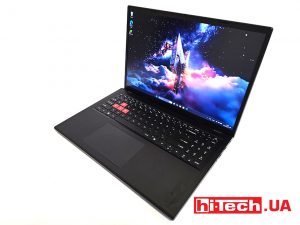
The 2025 Acer Nitro Lite 16 features an interesting case design, gaming accents, and proven components. Let’s take a closer look at its features.
Honor Magic V6 foldable smartphone based on Snapdragon 8 Elite Gen 5 unveiled accumulator Honor smartphone

Honor has officially announced the Honor Magic V6 smartphone. The new model has become thinner and has a larger battery compared to the previous model
IDC: Memory crisis will collapse the smartphone market and make it impossible to release models for $100 business IDC ram smartphone statistics

According to IDC, some Android manufacturers have already raised prices by 10–20% in January 2026, as well as reduced model lines