

ASUS and Acer stop selling laptops and operating websites in Germany due to Nokia’s victory in court
24.02.26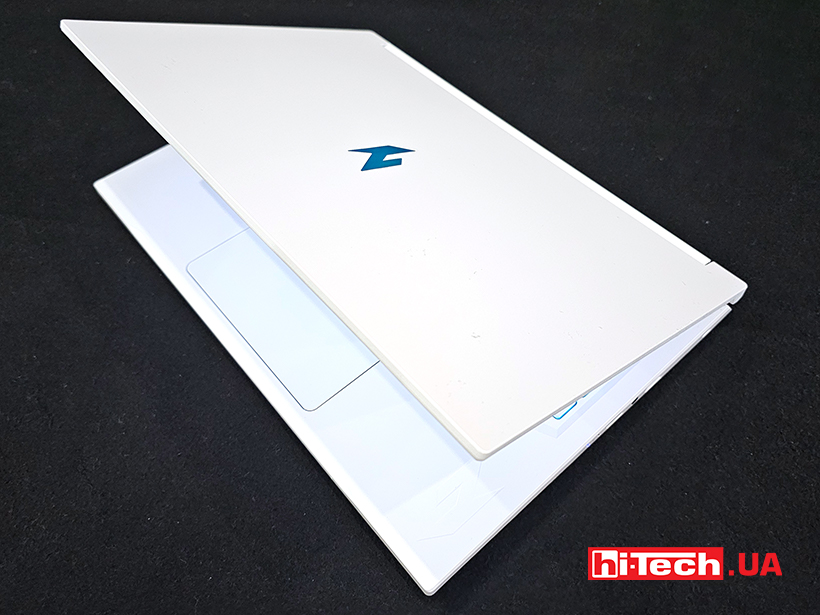
Acer and Asus are temporarily banned from selling personal computers and laptops in Germany. The decision was made by the Munich I Regional Court in a patent dispute with Nokia over the use of the HEVC/H.265 video standard.
At the end of January, the Seventh Chamber of the Civil Court concluded that both manufacturers infringed Nokia patents and had not concluded a license agreement for the use of the relevant technologies. The court banned Asus and Acer from offering, distributing, importing or storing devices covered by the disputed patents in Germany. The wording of the decision actually covers a significant part of modern PC and laptop models, since the HEVC standard is deeply integrated into their hardware and software components.
On February 14, it became known that both brands had stopped selling computer equipment in the country. Subsequently, their German websites became inaccessible to users, which made it impossible to download drivers and software updates. Acer plans to keep only monitors and accessories in the official online store. Third-party retailers can sell products from warehouses, but no new deliveries are expected.
Why Nokia went to court against Acer, Asus, Hisense
Nokia’s portfolio contains a number of European patents related to HEVC/H.265 technology, including EP 2 375 749 and EP 2 661 892, which describe basic video compression methods. In 2025, the company filed parallel lawsuits against Acer, Asus and TV manufacturer Hisense in the Munich Regional Court and the Unified Patent Court. Hisense subsequently reached an agreement with Nokia and entered into a global licensing agreement, while the dispute with Acer and Asus continues.
In its official statement, Asus said it had temporarily closed its German website and online store following a preliminary injunction in the Munich I – 7 O 4102/25 case. The restrictions apply to certain PCs and products that use the high-efficiency video coding technology HEVC. At the same time, the company noted that all customer service channels in Germany remain available, and existing users receive support in accordance with the court decision. Asus also stated its intention to explore further legal steps to resolve the situation.
The manufacturers’ websites may still be inaccessible from certain IP addresses, in particular from Ukraine, as well as if the system or browser is in German. At the same time, users can obtain the necessary information through the companies’ official resources in other countries, in particular in the Asian region.
Don't miss interesting news
Subscribe to our channels and read announcements of high-tech news, tes

Oppo A6 Pro smartphone review: ambitious

 0
0 
Creating new mid-range smartphones is no easy task. Manufacturers have to balance performance, camera capabilities, displays, and the overall cost impact of each component. How the new Oppo A6 Pro balances these factors is discussed in our review.
In-Ear headphones Active Noise Cancellation: how Oppo eliminate noise
0 
In-ear headphones remain one of the most popular form factors due to their lightweight design. However, this design is considered one of the most challenging to implement active noise cancellation (ANC). We’ll explain how Oppo solved this problem.
Ninkear L20: A Compact Intel Lunar Lake Mini PC With Copilot+ Support
Ninkear L20 is a new mini PC based on the Intel Lunar Lake architecture with 40 TOPS NPU support and official Copilot+ PC compliance.
Samsung Wallet Adds Digital Key Support for Volkswagen EVs
Samsung Wallet is adding support for digital car keys for Volkswagen ID series electric vehicles, allowing Galaxy smartphone users to unlock and start their cars key-free.