

ARM is not omnipotent. Samsung Galaxy Book 4 Edge can’t run Fortnite, Adobe apps and even Google Drive
21.06.24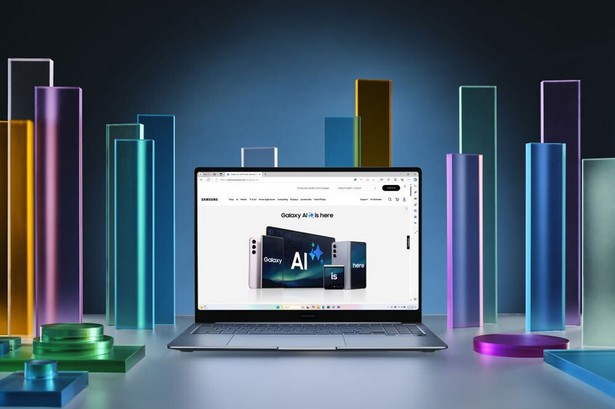
Samsung recently introduced the new Galaxy Book 4 Edge laptop, which became the first device based on the Snapdragon X Elite chipset. This chipset is characterized by high power and energy efficiency, but due to the current limitations of the Windows operating system in supporting the ARM architecture, the laptop has some application compatibility issues.
Compatibility issues
Windows, despite considerable efforts, still does not fully support the ARM architecture. This leads to a number of problems when trying to run applications that were originally designed for the x86 architecture. Microsoft has offered the Prism emulator for adapting x86 applications to ARM, but at the moment this solution does not solve all problems.
Galaxy Book 4 Edge specific limitations
Samsung has warned buyers in South Korea that some popular apps won’t work on the Galaxy Book 4 Edge. This list includes:
- Fortnite
- League of Legends
- Halo Infinite
- Google Drive
- Some Adobe programs
Additionally, there may be compatibility issues:
- Some printers
- Websites of Korean financial institutions
Common problems of ARM devices
These limitations are characteristic not only of the Galaxy Book 4 Edge, but also of all laptops based on the Snapdragon X Elite chipset. Transitioning to a new architecture has always been a long and difficult process. However, there are prospects for improvement. As the Prism emulator evolves and more support for the ARM architecture from app developers grows, things should improve.
Examples of successful transition
Apple has already demonstrated a successful transition to the ARM architecture by developing its own ARM chips and ensuring their full integration with macOS. Controlling the design of chipsets and software has allowed Apple to avoid many of the problems faced by other manufacturers.
Conclusion
The transition from x86 to ARM on Windows devices has been fraught with challenges so far, but thanks to the efforts of developers and improvements in emulation tools such as Prism, the future of ARM devices looks promising. Users can expect gradual improvements in compatibility and performance, as has already happened with Apple.
Don't miss interesting news
Subscribe to our channels and read announcements of high-tech news, tes

Oppo A6 Pro smartphone review: ambitious

 0
0 
Creating new mid-range smartphones is no easy task. Manufacturers have to balance performance, camera capabilities, displays, and the overall cost impact of each component. How the new Oppo A6 Pro balances these factors is discussed in our review.
Oppo Reno 15 5G smartphone review: confident
0 
The Oppo Reno15 smartphone emphasizes design, a high-quality display, versatile cameras, and good battery life. Let’s take a closer look.
Study: Artificial Intelligence uses nuclear weapons in 95% of simulations artificial intelligence war

Researchers at King’s College London conducted a series of military simulations using leading artificial intelligence models. The tests used OpenAI’s GPT-5.2, Anthropic’s Claude Sonnet 4, and Google’s Gemini 3 Flash.
Asus ProArt GoPro Edition laptop for action camera fans has gone on sale in Ukraine action-camera Asus laptop
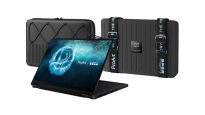
One of the key features of the Asus ProArt GoPro Edition is the proprietary StoryCube service – the first solution for Windows with support for GoPro cloud storage and 360-degree video.