

10-year study: digital devices cause anxiety years later
04.01.26
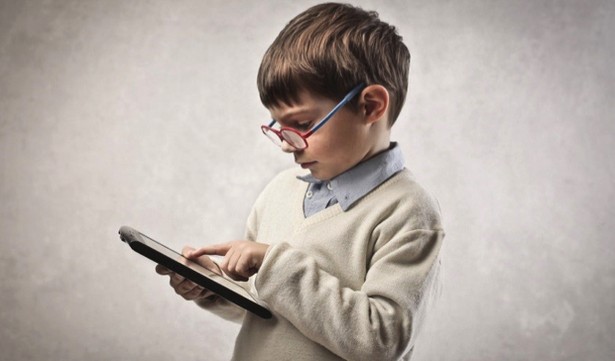
Singaporean scientists have found a link between active use of screens in early childhood and increased anxiety in adolescence. This is reported by Bloomberg with reference to a study by the state Agency for Science, Technology and Research of Singapore (A*Star) and the National University of Singapore. The work was published in the open scientific journal eBioMedicine, which is part of The Lancet group.
How the impact of devices on children was studied
The study lasted more than 10 years and included 168 children. During this time, the participants underwent MRI brain scans three times, tracking changes at different stages of development. The analysis showed that children who spent a significant amount of time in front of screens before reaching the age of two demonstrated changes in brain structures associated with visual perception, thinking and behavioral control.
Scientists have recorded the effect of the so-called “accelerated maturation” of neural networks. According to the authors of the work, such changes could be caused by excessive sensory stimulation, which is created by screen content at an early age. At the same time, screen time at the age of three or four did not lead to similar consequences, which indicates a special vulnerability of the brain in the first years of life.
Further observations showed that children with recorded brain changes at the age of about 8.5 years made decisions more slowly than their peers, and by the age of 13 were more likely to experience increased levels of anxiety. A * Star emphasizes that the effects of screens in childhood may have delayed effects that are detected only after years.
What to do about the harmfulness of digital devices
At the same time, the researchers note that the potential harm is not irreversible. According to a separate work by the same team, published in 2024, regular reading to children and active live interaction with parents can privately compensate for the negative impact of passive screen time.
The appearance of the study coincided with global discussions about the need to limit the use of digital devices for children. In particular, the Ministry of Education of Singapore has already announced the introduction of restrictions on the use of smartphones and smartwatches in secondary schools from January, citing risks to mental health and concentration of students.
Don't miss interesting news
Subscribe to our channels and read announcements of high-tech news, tes

Oppo A6 Pro smartphone review: ambitious

 0
0 
Creating new mid-range smartphones is no easy task. Manufacturers have to balance performance, camera capabilities, displays, and the overall cost impact of each component. How the new Oppo A6 Pro balances these factors is discussed in our review.
Oppo Reno16 Pro 5G smartphone review: well-heeled
0 
Oppo Reno16 Pro 5G looks like a balanced smartphone, in which the manufacturer tried not to make a single characteristic the defining one. It has many advantages. Let’s tell you what
Honor Play20A: An unusual budget phone with an additional screen

The Honor Play20A arrives with a unique rear secondary display for its budget class and an impressive 6,000 mAh battery.
Triple-powered performance didn’t help: Google Pixel 11 Pro Fold failed a crash test.

The Pixel 11 Pro Fold failed its extreme bend test, snapping at two points near the hinge.