

Ukrainian hackers hacked the account of a Russian blogger on AliExpress and ordered $25,000 worth of dildos instead of drones for the Russian army.
08.04.23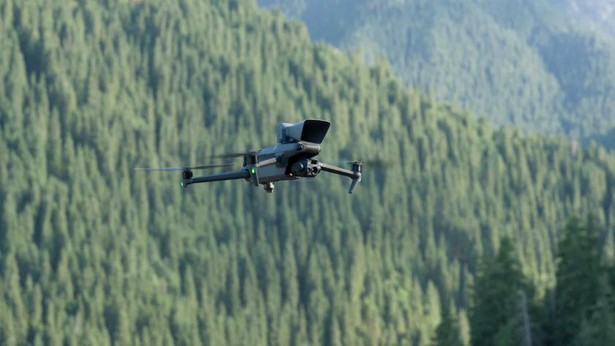
The Ukrainian hacker group Cyber Resistance broke the account of Russian blogger Mikhail Luchin on AliExpress. By the way, he was a friend who spoke Tatar – whose propagandist was downvoted in a St. Petersburg cafe.
A volunteer raised $25,000 to purchase drones for the Russian army.
The “volunteer” bank card was linked to an account on AliExpress. After the account was hacked, the hackers spent the funds on buying dildos.

Ukrainian activists noted that the order was made on March 24-25, 2023, and some goods had already been delivered to the buyer. At the same time, Luchin himself wrote that he was able to return all the funds, with the exception of 17,000 ($220).
It is known that our hackers wanted to spend money on the needs of the Armed Forces of Ukraine. However, the card is tied to a specific address, that is, all goods ordered will be delivered to the Lucina address.
Don't miss interesting news
Subscribe to our channels and read announcements of high-tech news, tes

Oppo A6 Pro smartphone review: ambitious

 0
0 
Creating new mid-range smartphones is no easy task. Manufacturers have to balance performance, camera capabilities, displays, and the overall cost impact of each component. How the new Oppo A6 Pro balances these factors is discussed in our review.
Oppo Reno16 Pro 5G smartphone review: well-heeled
0 
Oppo Reno16 Pro 5G looks like a balanced smartphone, in which the manufacturer tried not to make a single characteristic the defining one. It has many advantages. Let’s tell you what
Piston V: A Futuristic Ryzen AI 9 365 Mini-PC With a Touchscreen

Piston V is an unconventional mini-PC featuring a Ryzen AI 9 365 processor, retro design, and a dedicated touchscreen for managing Windows and SteamOS dual-booting.
Xiaomi 17 Max: Affordable Leica-Powered Camera Phone That Outshines Flagships

The Xiaomi 17 Max demonstrates how mid-range capabilities can compete with top-tier Samsung and Apple solutions. Thanks to its partnership with Leica and impressive hardware, the device offers an excellent camera at an attractive price.