

OpenAI has introduced an updated ChatGPT Images model that works 4 times faster
19.12.25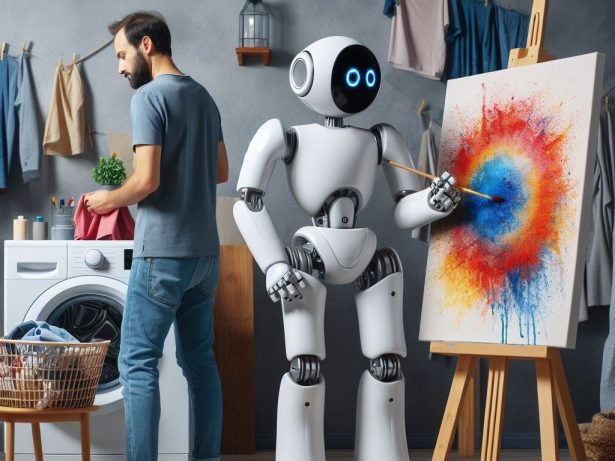
OpenAI has begun rolling out a new version of its ChatGPT Images tool, based on GPT-5.2. According to the company, image generation is four times faster, and the model itself executes instructions more accurately, in particular when editing ready-made images – from adding and removing elements to combining and rearranging them.
Particular attention was paid to the quality of text reproduction: the new version works better with inscriptions, including small and dense text, which was a weak point of previous models. A special Images section has appeared in the ChatGPT interface with examples of prompts and ready-made filters for working with graphics.
The update comes against the backdrop of growing competition from the Google ecosystem’s graphics tools, the popularity of which has increased interest in image generation services. OpenAI notes that ChatGPT Images remains an important factor in the growth of the platform’s audience, which has about 800 million active users every week.
Don't miss interesting news
Subscribe to our channels and read announcements of high-tech news, tes

Oppo A6 Pro smartphone review: ambitious

 0
0 
Creating new mid-range smartphones is no easy task. Manufacturers have to balance performance, camera capabilities, displays, and the overall cost impact of each component. How the new Oppo A6 Pro balances these factors is discussed in our review.
In-Ear headphones Active Noise Cancellation: how Oppo eliminate noise
0 
In-ear headphones remain one of the most popular form factors due to their lightweight design. However, this design is considered one of the most challenging to implement active noise cancellation (ANC). We’ll explain how Oppo solved this problem.
Google Sets September 15 for Googlebooks and New OS Reveal

Google has officially confirmed the launch date for the Googlebooks laptop lineup and a new operating system. The event will take place on September 15 in New York.
Xiaomi Q2 2026 Financial Results: Smartphone Shipments Dip
Xiaomi has released its report for the second quarter of 2026. Despite a drop in smartphone shipment volumes, the company is seeing growth in average selling prices and is doubling down on AI and EV investments.