

Microsoft lacks power to power all its AI systems
06.11.25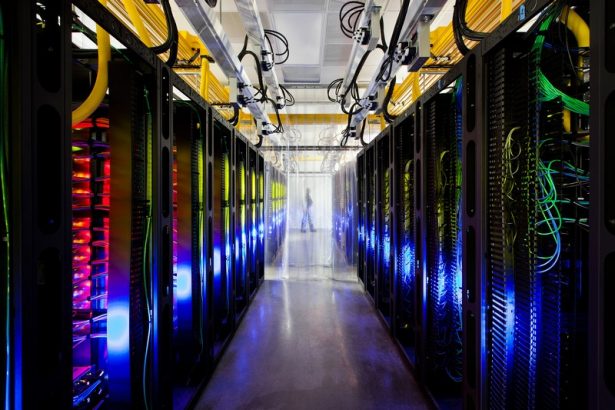
According to Microsoft CEO Satya Nadella, the company currently lacks the power capacity to power all of its existing GPUs designed for AI systems.
There’s Not Enough Electricity
In a joint interview with OpenAI CEO Sam Altman, Nadella noted that the main problem in AI is not a lack of computing resources, but rather the limited power infrastructure capable of supporting them.
“I think it’s impossible to predict the supply and demand cycles in this space, right? It’s a question of long-term trends. And, as Sam said, the main issue right now isn’t the amount of computing power, but the power capacity—that is, the ability to quickly connect equipment. If you can’t do that, you could end up with a bunch of chips with nowhere to plug them into. In fact, that’s exactly what I’m facing today. The problem isn’t chip supply—I just don’t have the ‘warm shells’ to plug into,” the Microsoft CEO explained.
By “shells,” Nadella was referring to data centers—buildings already equipped with the necessary utilities (power grid, cooling system, and water supply), ready for the installation of server hardware.
The energy consumption of data centers designed to train and operate AI models has been a hot topic since late last year, after Nvidia stabilized its GPU supply. Now, major tech corporations are investing in research into small modular nuclear reactors to secure their own power sources for the construction of ever-larger data centers.
Electricity Bills
In the US, this process has already led to rising electricity bills for ordinary consumers. OpenAI even proposed that federal authorities build 100 GW of power plants annually, calling it a “strategic asset” in the battle for US technological leadership over China.
Sam Altman, however, expressed optimism:
“One day we’ll create an incredible consumer device capable of running GPT-5 or GPT-6-level models locally with low power consumption—and that will be truly revolutionary.”
However, experts warn that this scenario could have a downside. If advances in semiconductor technology allow powerful AI models to be run locally, the need for large-scale data centers will decrease, potentially leading to a collapse of the AI market. According to forecasts by several analysts, including Pat Gelsinger, the AI bubble could burst within a few years, causing a global economic shock and a collapse of nearly $20 trillion in company market capitalization.
Don't miss interesting news
Subscribe to our channels and read announcements of high-tech news, tes

Oppo A6 Pro smartphone review: ambitious

 0
0 
Creating new mid-range smartphones is no easy task. Manufacturers have to balance performance, camera capabilities, displays, and the overall cost impact of each component. How the new Oppo A6 Pro balances these factors is discussed in our review.
In-Ear headphones Active Noise Cancellation: how Oppo eliminate noise
0 
In-ear headphones remain one of the most popular form factors due to their lightweight design. However, this design is considered one of the most challenging to implement active noise cancellation (ANC). We’ll explain how Oppo solved this problem.
iPhone 18 Pro Max Surfaces With Exclusive Variable Aperture Camera

According to fresh leaks, Apple may restrict the implementation of the innovative variable aperture camera only to the top-tier iPhone 18 Pro Max. Learn why the standard Pro variant may remain without this technology and what the flagship’s dimensions will be.
YouTube Overhauls View Counting: What Creators Need to Know

YouTube is updating its view counting system: videos now count as viewed as soon as they start. Learn how these new metrics will impact your channel’s statistics.