

Microsoft Emotion API – a new tool for determining emotions by facial expression in a photo
12.11.15
In May of this year, Microsoft amused the public quite well by introducing the How-Old.net service, which allows you to determine a person’s age from a photo. There were often cases of completely incorrect definition, which became the subject of jokes and various discussions.
Now with the Emotion API tool from Microsoft Project Oxford, it is possible to determine a person’s emotions by facial expression in a photo.
After facial analysis, you receive results in the form of scores for different emotion categories. There are eight categories in total: Anger, Contempt, Disgust, Fear, Happiness, Neutral, Sadness, Surprise (Anger, Contempt, Disgust, Fear, Happiness, Neutral, Sadness, Surprise).
The total number of points is 1. If the numbers are multiplied by 100, you will get the percentage values.
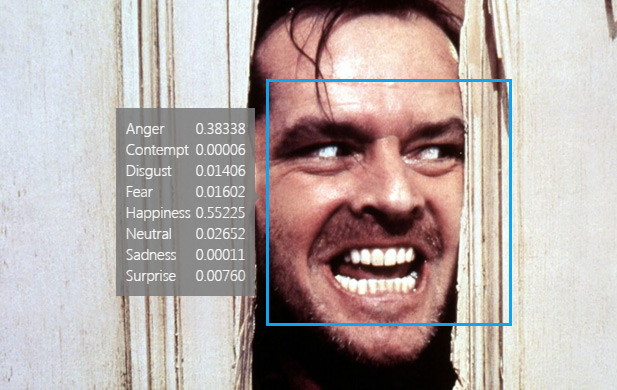
You can do it yourself by uploading a photo or adding a link to the photo on the Internet.
The Emotion API is addressed primarily to developers and provides quite interesting functionality that can be used for certain applications. The tool is experimental and needs significant improvement, so you shouldn’t evaluate the results too seriously.
But often the determination is very precise.
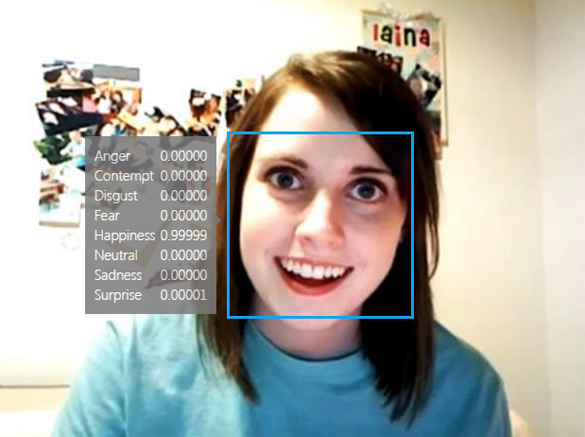
Happy Overly Attached Girlfriend
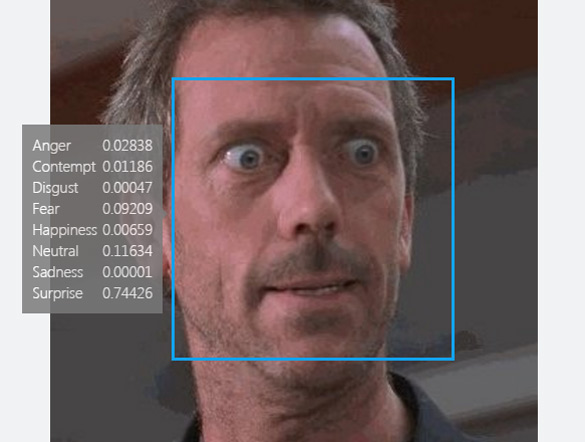
Surprised Dr. House
Don't miss interesting news
Subscribe to our channels and read announcements of high-tech news, tes

Oppo A6 Pro smartphone review: ambitious

 0
0 
Creating new mid-range smartphones is no easy task. Manufacturers have to balance performance, camera capabilities, displays, and the overall cost impact of each component. How the new Oppo A6 Pro balances these factors is discussed in our review.
Logitech G G325 headphones review: reliable and long-lasting
0 
Logitech G has released a new gaming headset that offers good ergonomics, stable connectivity, and high battery life at a very affordable price. Let’s talk about the Logitech G G325 in more detail
Nova Poshta will deliver parcels from the USA together with UPS events in Ukraine post USA

Nova Poshta announced the start of cooperation with the American delivery service UPS. The new partnership provides for the possibility of sending parcels weighing up to 30 kilograms from the USA to Ukraine
Apple to introduce budget smartphone iPhone 17e Apple world events

The Apple event is scheduled for March 4 at 3:00 PM Central European Time and will be held simultaneously in several cities around the world – New York, London, and Shanghai.