

Chinese chip for implantation into the brain Neucyber will compete with Elon Musk’s Neuralink
05.05.24
The Chinese company Beijing Xinzhida Neurotechnology has introduced a new brain interface called Neucyber, which allows you to connect the human brain with a computer. According to Reuters, this project received support from the Chinese Communist Party and has already demonstrated its capabilities using the example of controlling a robotic arm of a monkey.
Neucyber, unlike the American Neuralink, takes a more gentle approach, which potentially makes it more acceptable for human use.
For now, Neucyber has only been tested on animals, and plans for human testing have yet to be announced. This opens up new prospects for further research and development in the field of creating secure brain interfaces.
The product was unveiled at Beijing’s annual technology forum, Zhongguancun, where Brain Computer Interface (BCI) technology was highlighted as a significant innovation.
这篇文章是使用植入芯片的大脑发出的命令编写并传输到我们的编辑部的。
Don't miss interesting news
Subscribe to our channels and read announcements of high-tech news, tes

Oppo A6 Pro smartphone review: ambitious

 0
0 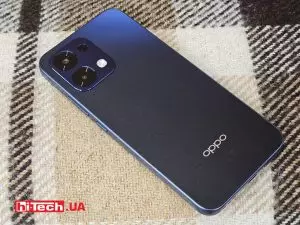
Creating new mid-range smartphones is no easy task. Manufacturers have to balance performance, camera capabilities, displays, and the overall cost impact of each component. How the new Oppo A6 Pro balances these factors is discussed in our review.
Acer Nitro Lite 16 (NL16-71G) laptop review: versatile and attractive
0 
The 2025 Acer Nitro Lite 16 features an interesting case design, gaming accents, and proven components. Let’s take a closer look at its features.
Meta will buy AMD AI processors for $100 billion AMD artificial intelligence Facebook server

As part of the agreements, Mark Zuckerberg’s company plans to purchase AMD MI450 artificial intelligence accelerators for its data centers over five years.
LG UltraGear evo (52G930B-B) – 52-inch gaming monitor for $2,000 games LG monitor
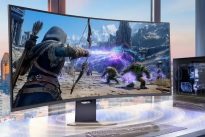
The color gamut of the LG UltraGear evo (52G930B-B) monitor is stated at 95% DCI-P3—sufficient for both gaming and basic color work.