

Chery introduced a solid-state battery with record density of 600 Wh/kg
23.10.25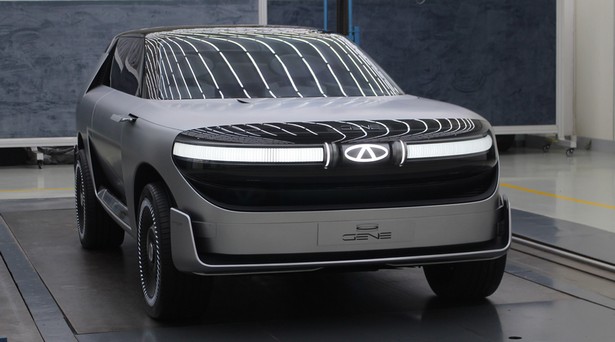
The Chinese company Chery Automobile has unveiled its first solid-state battery module of its own design. The presentation took place on October 18 in Wuhan as part of the Chery Global Innovation Conference 2025.
According to the manufacturer, the prototype battery has an energy density of 600 Wh/kg, which is one of the highest among Chinese competitors. The development was carried out by the Chery Solid-State Battery Research Institute, created specifically to promote new technologies in the field of energy conservation.
Chery emphasizes that the element has demonstrated a high level of safety – during extreme tests, including nail penetration and damage by an electric drill, the battery did not ignite or emit smoke, maintaining the energy supply.
Theoretically, cars with such batteries will be able to travel more than 1,500 km on a single charge, while in real conditions about 1,300 km are expected. The company plans to pilot the technology in 2026 and mass production in 2027.
Other battery developments
Here are the top 5 battery technologies that could actually move out of the lab and into production cars in the coming years:
1. Solid-State Batteries
- Probable launch: 2026–2028
- Leaders: Toyota, QuantumScape, CATL, Chery
- Advantages: 2× higher energy density, 10-minute charge, safety without risk of ignition.
- Expected effect: range of over 1,000 km on a single charge.
- Comment: the most promising technology, but production is still expensive and complex.
2. Sodium batteries (Na-ion)
- Probable start: 2025–2026
- Who leads: CATL, BYD, HiNa Battery
- Advantages: cheaper than lithium, works well in cold weather, does not require cobalt.
- Expected effect: mass use in budget electric vehicles and city cars.
- Comment: slightly lower energy consumption, but price is the main advantage.
3. New generation lithium iron phosphate (LFP)
- Probable start: already underway, improvements — 2025+
- Who leads: BYD, Tesla, EVE Energy
- Advantages: cheap, safe, durable, and new chemistries (LMFP) give +15–20% capacity.
- Expected effect: gradual replacement of traditional NMC in the mid-size car segment.
- Comment: the technology is already mature, only the best optimization will follow.
4. Lithium-sulfur (Li–S)
- Probable start: 2027–2029
- Who leads: Sion Power, Li-S Energy, Oxis (after reorganization)
- Advantages: ultra-high energy density (up to 600 Wh/kg), cheap materials.
- Expected effect: possibility of creating ultra-light electric vehicles and eVTOL aircraft.
- Comment: the main problem is rapid degradation after dozens of cycles.
5. Hybrid lithium-graphene batteries
- Probable start: 2025–2027
- Leaders: Samsung, Huawei, Real Graphene, Skeleton Technologies
- Advantages: ultra-fast charging (up to 80% in 5–10 minutes), low heating.
- Expected effect: the appearance of “ultra-fast” charging in premium cars.
- Comment: expensive technology so far, but interesting for smartphones and sports EVs.
Don't miss interesting news
Subscribe to our channels and read announcements of high-tech news, tes

Oppo A6 Pro smartphone review: ambitious

 0
0 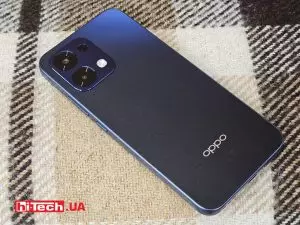
Creating new mid-range smartphones is no easy task. Manufacturers have to balance performance, camera capabilities, displays, and the overall cost impact of each component. How the new Oppo A6 Pro balances these factors is discussed in our review.
Oppo Reno 15 5G smartphone review: confident
0 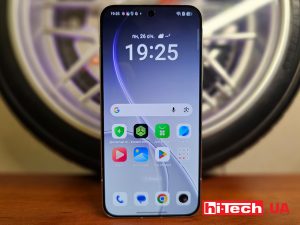
The Oppo Reno15 smartphone emphasizes design, a high-quality display, versatile cameras, and good battery life. Let’s take a closer look.
Google Chrome browser will be able to open two tabs in one window browser Chrome Google update

Split View in Google Chrome allows you to place two tabs side by side within a single browser window, without having to open additional windows or constantly switch between pages.
Xbox head Phil Spencer leaves Microsoft after nearly 40 years Microsoft Xbox

Phil Spencer, head of Microsoft Gaming, which includes the Xbox brand, has announced his departure from Microsoft. He has worked for the company since 1988.