

Asus NUC 14 Essential is equipped with Intel Alder Lake-N processors based on E-cores
01.11.24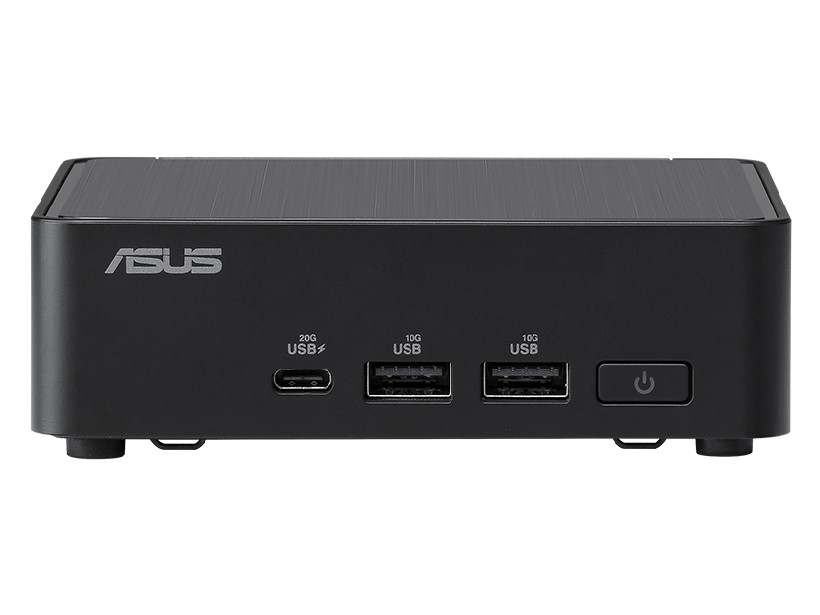
Asus NUC 14 Essential supports installation of SO-DIMM DDR5-4800 memory module and M.2 2280 format solid-state drive. Gigabit Ethernet and Wi-Fi 6E/Bluetooth 5.3 module are available for network connection, and Realtek ALC35 codec is responsible for sound. The mini PC also supports connection to three 4K displays.
Asus has not announced recommended prices, but the cost of the models in Europe has already been noticed: the version with Intel N150 costs around 205 euros, and the model with N250 is estimated at 244 euros.
Don't miss interesting news
Subscribe to our channels and read announcements of high-tech news, tes

Oppo A6 Pro smartphone review: ambitious

 0
0 
Creating new mid-range smartphones is no easy task. Manufacturers have to balance performance, camera capabilities, displays, and the overall cost impact of each component. How the new Oppo A6 Pro balances these factors is discussed in our review.
Oppo Reno16 Pro 5G smartphone review: well-heeled
0 
Oppo Reno16 Pro 5G looks like a balanced smartphone, in which the manufacturer tried not to make a single characteristic the defining one. It has many advantages. Let’s tell you what
Tesla Cybertruck Prices Hike Again as Artificial Hype Continues

Tesla has once again raised the price of its Cybertruck electric pickup by $5,000. We explore the reasons behind the price hike and the company’s strategy for managing demand.
OpenAI Uncovers Secret Scheme: ChatGPT Used as Disinformation Tool

OpenAI has identified a network of accounts that used ChatGPT to promote the fake “International Burke Institute.”