

A revolution in diagnostics: Samsung Galaxy Watch6 predicts fainting
11.05.26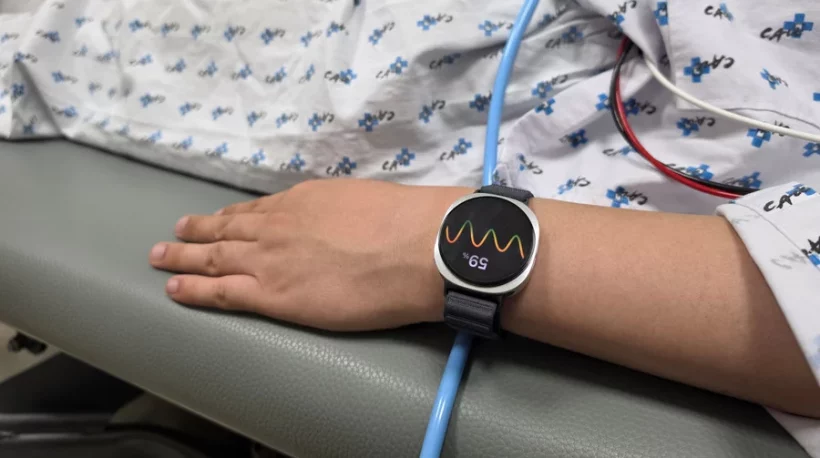
Samsung officially presented the results of a joint clinical study with Kwangmen Hospital at Chung-Ang University (South Korea), which confirmed the high efficiency of the Galaxy Watch6 in predicting vasovagal syncope (VPS). This discovery turns the smart watch from a fitness gadget into a serious medical tool for preventive diagnostics.
Vasovagal syncope
Vasovagal syncope (VAS) is the most common form of syncope, which occurs due to a sudden drop in blood pressure and heart rate. Often this condition is provoked by severe stress, pain or prolonged stay in an upright position.
Although such fainting itself is usually not a direct threat to life, the main danger lies in its suddenness. A sharp fall can lead to serious injuries, fractures and concussions. According to experts, up to 40% of people experience this condition at least once in their life, and a third of them have recurring episodes.
Algorithms of the monitoring system
To predict the loss of consciousness Samsung Galaxy Watch6 uses a standard PPG sensor (photoplethysmogram). The artificial intelligence integrated into the device continuously analyzes indicators of heart rate variability. 132 patients with suspicion of VPS, who underwent special tests for provocation of fainting, took part in the study.
Prediction accuracy indicators:
- Prediction accuracy: 84.6%;
- Sensitivity of the method: 90%;
- Specificity: 64%;
- Warning time: 5 minutes before the episode.
Such a time interval allows a person to take a safe position, lie down or call for help, which is critical to prevent secondary injuries.
As Professor Jeong Jung-Hwan of Kwanmen Hospital’s Cardiology Department points out, early warning can significantly reduce the burden on emergency departments. Samsung plans to use the data to further improve its wearable devices, expanding the digital health ecosystem.
Future versions and functionality extensions
The South Korean tech giant is aiming for leadership in the field of personal disease prevention. In addition to detecting the risk of fainting, features for early detection of dementia will be added to the Galaxy Watch and Galaxy Ring devices in the near future.
Collaboration with leading medical institutions underscores the company’s commitment to bringing deep medical analytics to consumer electronics. For Galaxy Watch6 users, this means not only access to step statistics, but also 24/7 heart security.
Don't miss interesting news
Subscribe to our channels and read announcements of high-tech news, tes

Oppo A6 Pro smartphone review: ambitious

 0
0 
Creating new mid-range smartphones is no easy task. Manufacturers have to balance performance, camera capabilities, displays, and the overall cost impact of each component. How the new Oppo A6 Pro balances these factors is discussed in our review.
In-Ear headphones Active Noise Cancellation: how Oppo eliminate noise
0 
In-ear headphones remain one of the most popular form factors due to their lightweight design. However, this design is considered one of the most challenging to implement active noise cancellation (ANC). We’ll explain how Oppo solved this problem.
Poco X8 Power Surfaces With Massive 10,000mAh Battery
Rumors have emerged regarding the development of the Poco X8 Power, a smartphone with an impressive 10,000mAh battery. The device promises striking screen specs and a Snapdragon 6 Gen 5 hardware base.
Baseus PicoGo Pro: A 60W Compact Charger With a Smart Display
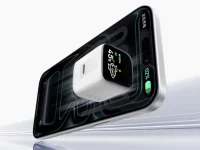
Baseus has released its new PicoGo Pro (AE22) charger in China. Equipped with an intelligent display and supporting up to 60W fast charging, the device aims to compete with the popular Anker Nano adapters at an accessible price point.