

The 12.1-inch OnePlus Pad Pro has a 144Hz screen, a Snapdragon 8 Gen 3 processor and 67W charging support
02.07.24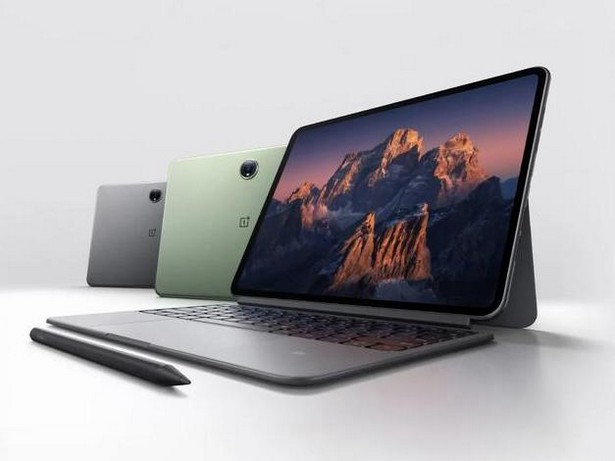
OnePlus has announced an improved version of its tablet called the OnePlus Pad Pro. The main difference from the base model is the use of a Qualcomm Snapdragon 8 Gen 3 processor instead of the MediaTek Dimensity 9000. The tablet is available with 8 GB, 12 GB or 16 GB of RAM and up to 512 GB of storage.
OnePlus Pad Pro is equipped with an IPS display enlarged to 12.1 inches with a resolution of 2120×3000 pixels, a refresh rate of 144 Hz and an aspect ratio of 7:5. The device supports the new OnePlus Smart Stylus Pro stylus.
The tablet has four speakers, a 9510mAh battery with 67W fast charging support, and two cameras (main and front).
The OnePlus Pad Pro is available in Space Gray and Khaki Green and is already on sale in China for $399 to $522, depending on the memory configuration.
Don't miss interesting news
Subscribe to our channels and read announcements of high-tech news, tes

Oppo A6 Pro smartphone review: ambitious

 0
0 
Creating new mid-range smartphones is no easy task. Manufacturers have to balance performance, camera capabilities, displays, and the overall cost impact of each component. How the new Oppo A6 Pro balances these factors is discussed in our review.
In-Ear headphones Active Noise Cancellation: how Oppo eliminate noise
0 
In-ear headphones remain one of the most popular form factors due to their lightweight design. However, this design is considered one of the most challenging to implement active noise cancellation (ANC). We’ll explain how Oppo solved this problem.
Apple Music to Introduce AI Music Labels

Apple Music will introduce special Made With AI labels for songs created with generative artificial intelligence by the end of 2026.
Windows 11 Update Breaks Games: The RGB Fix

The latest cumulative Windows 11 update has caused issues with game performance and stability. Microsoft confirmed the conflict is triggered by RGB peripheral software.